
February 2021
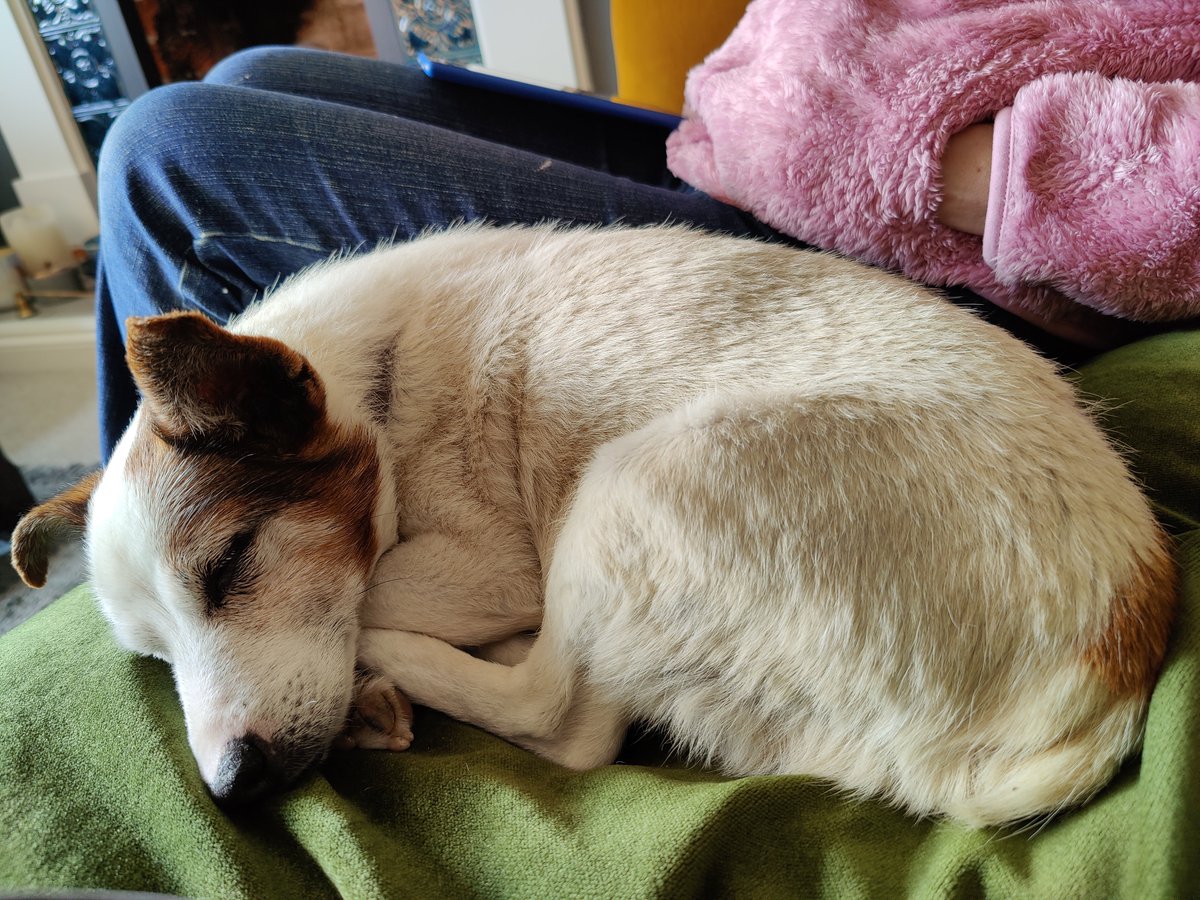
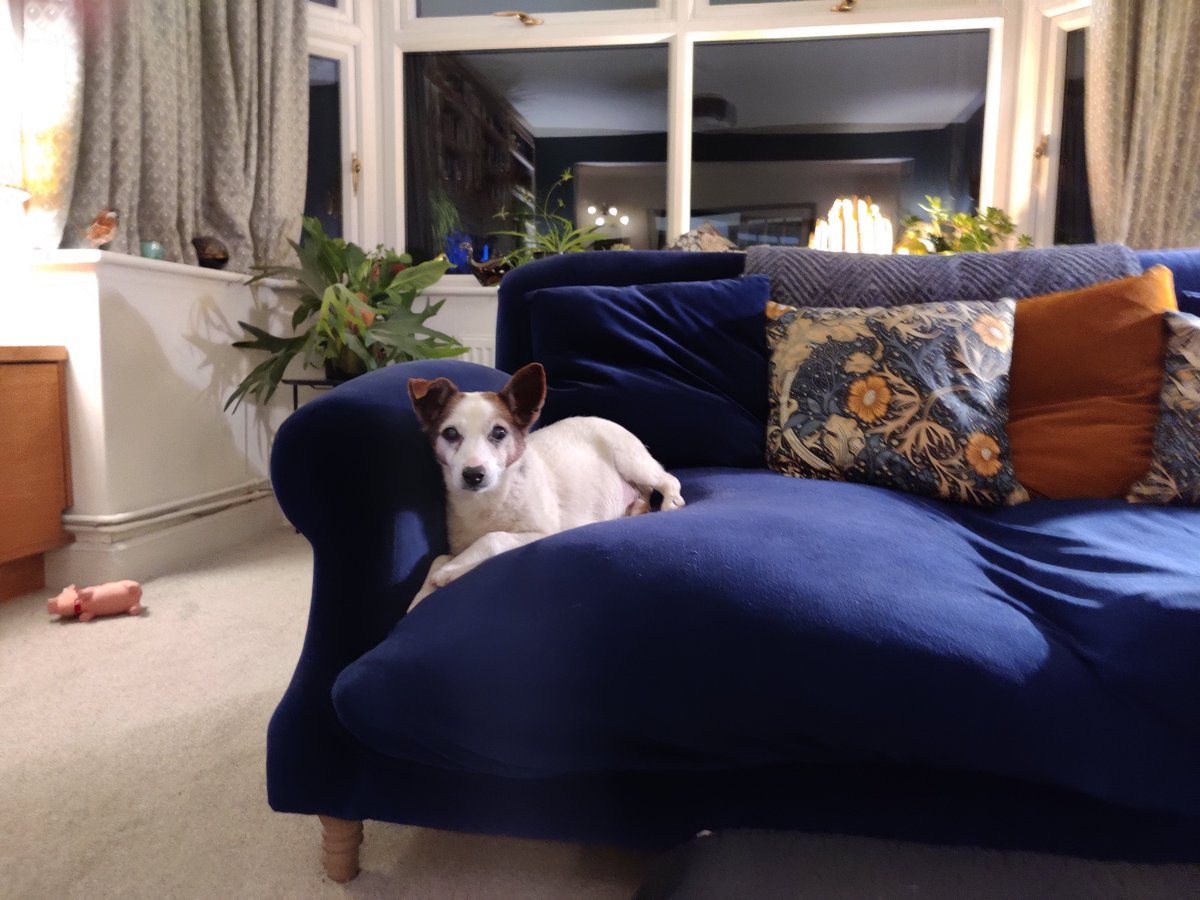
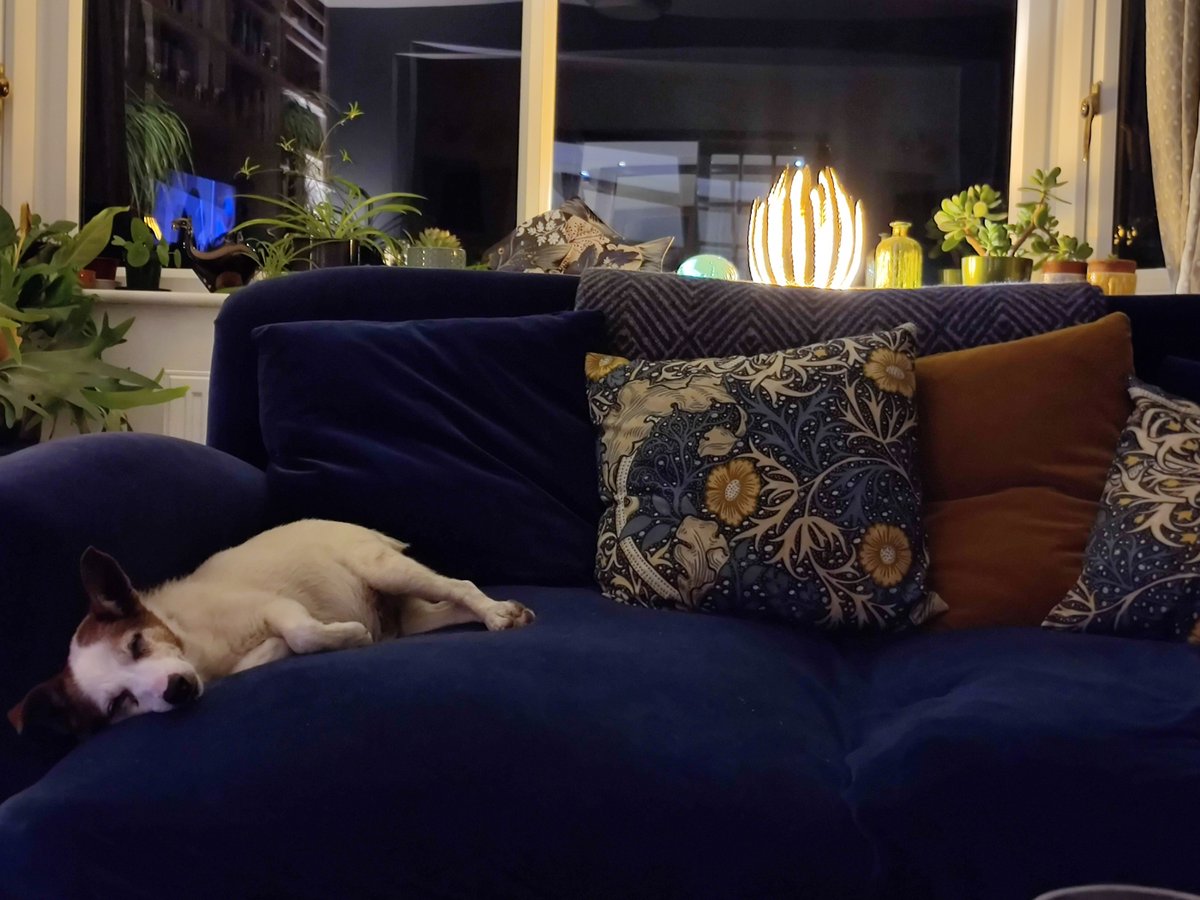
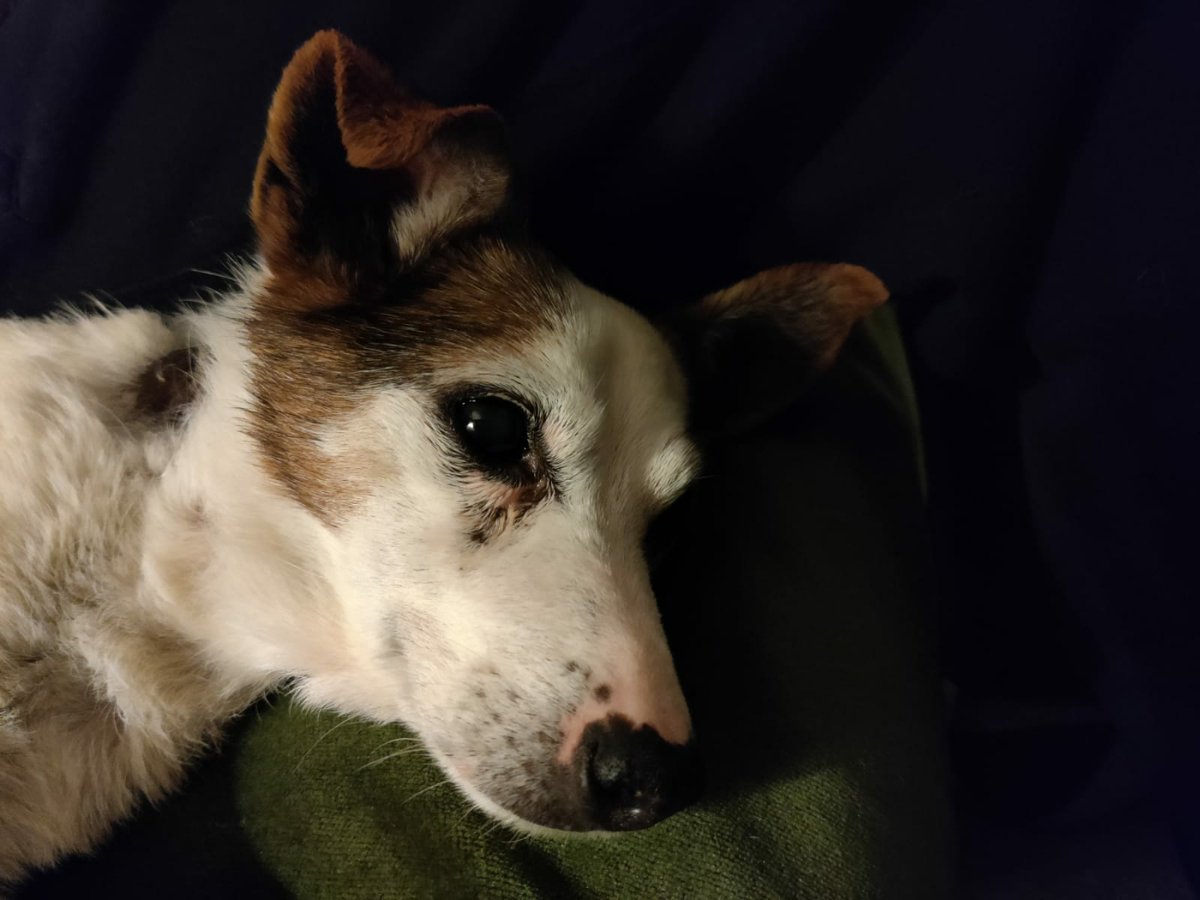
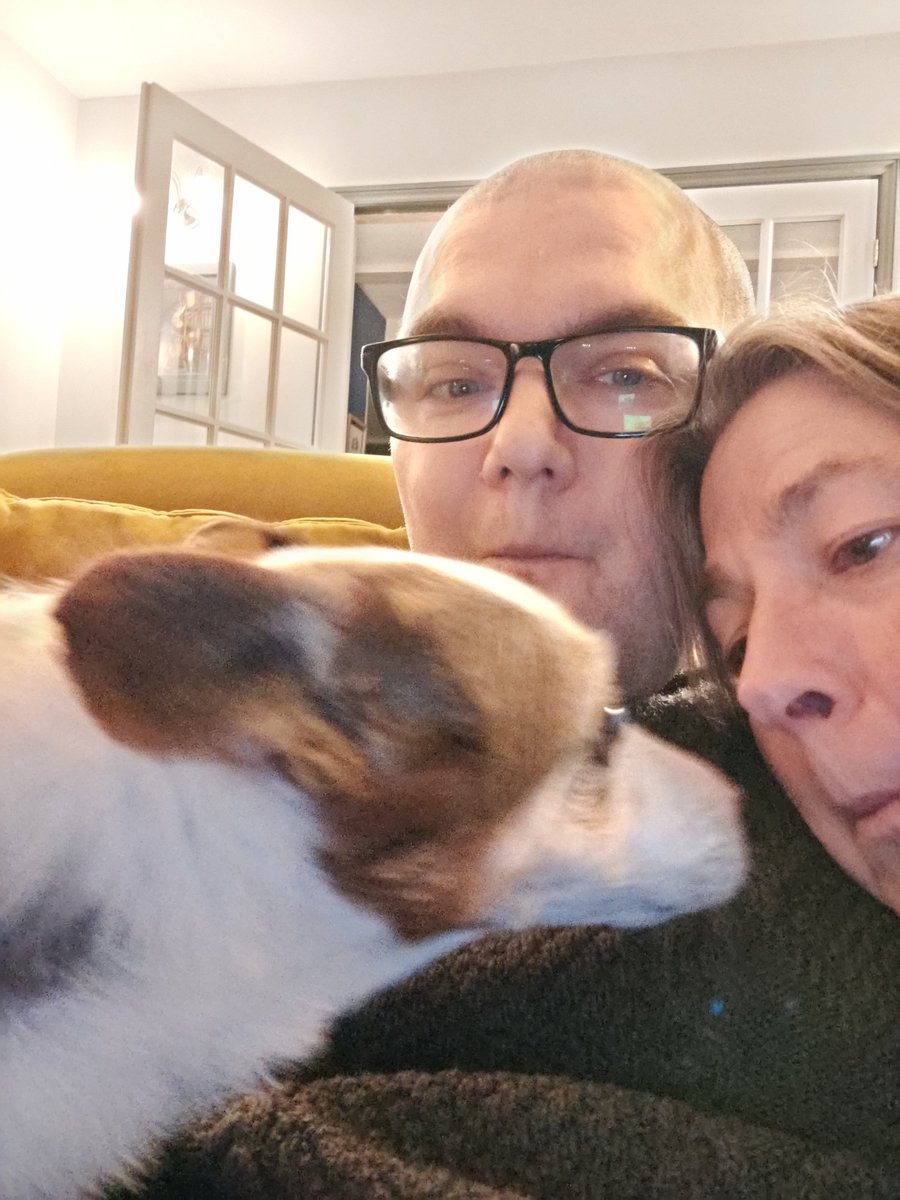
Sunday. For me it's final scrutiny of an important contract. For Toby, it's snoozing on the sofa.
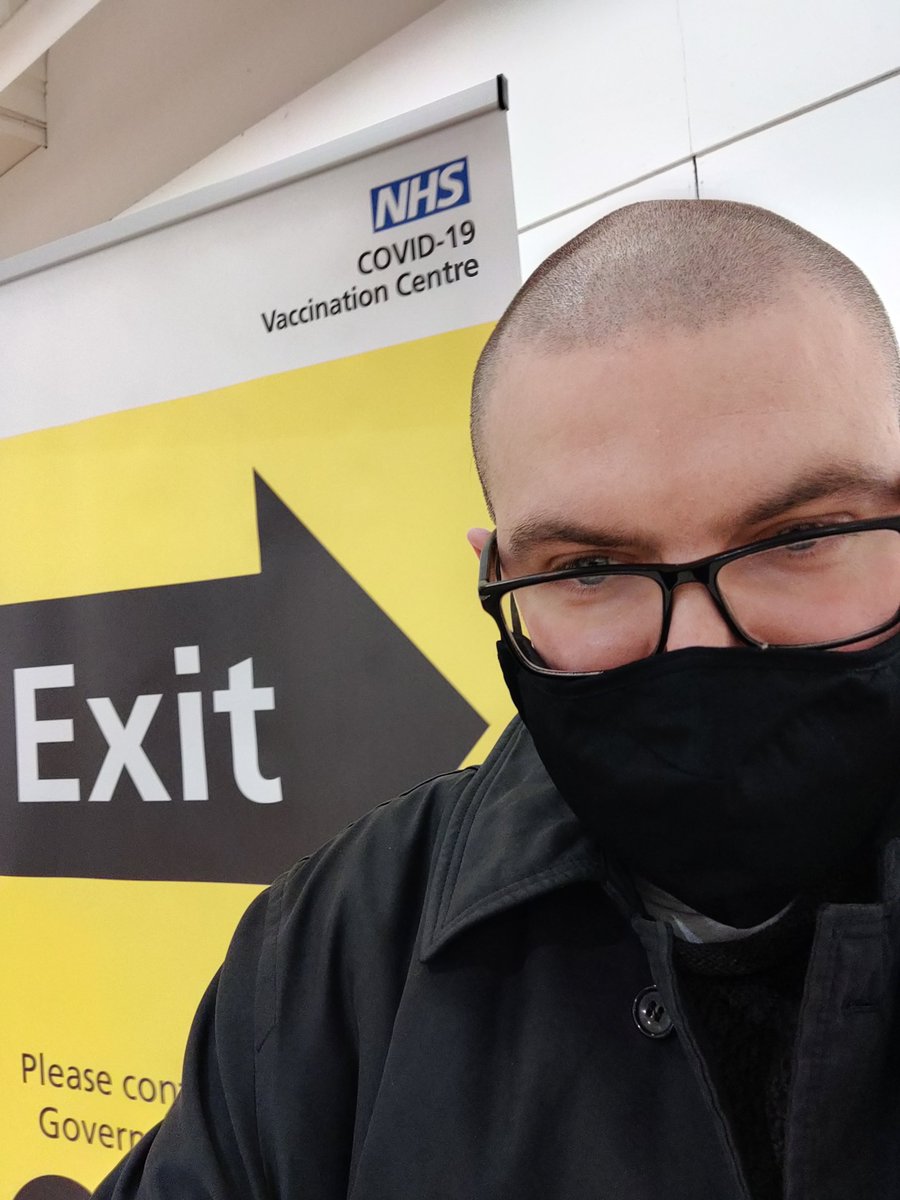
Today marks one year since I went into Birkbeck and next week, on the advice of immunology, when I began shielding (avant la letter).
All of my books, there 😭
Machine funk specialist
Great to see my colleague, Prof. Kevin Ibeh, appointed as a Commissioner of the Commonwealth Scholarship Commission http://www.bbk.ac.uk/news/birkbeck-academic-appointed-commissioner-of-the-commonwealth-scholarship-commission
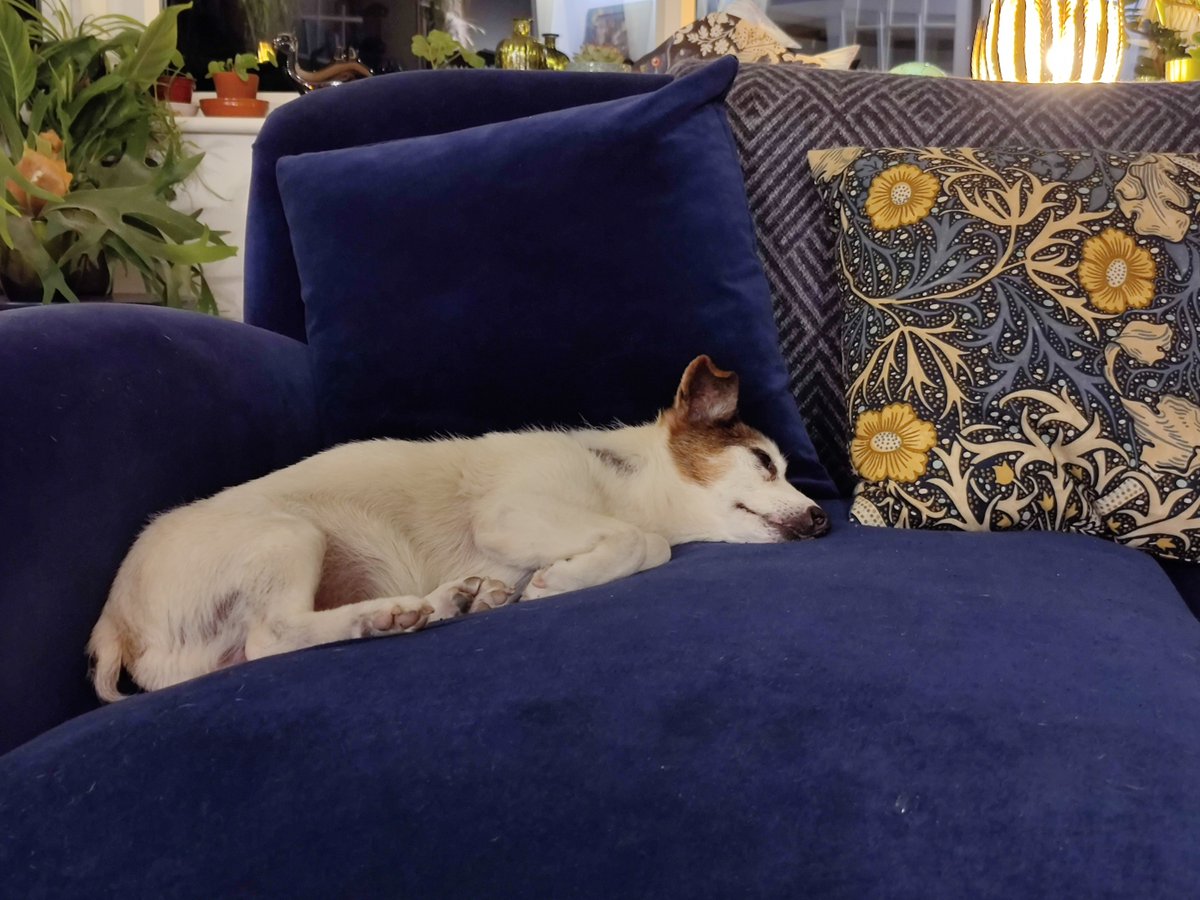
Night
It's terrible when people do this half-reveal type thing, I know, but I can't resist. Just had such good news that has really brightened my week.
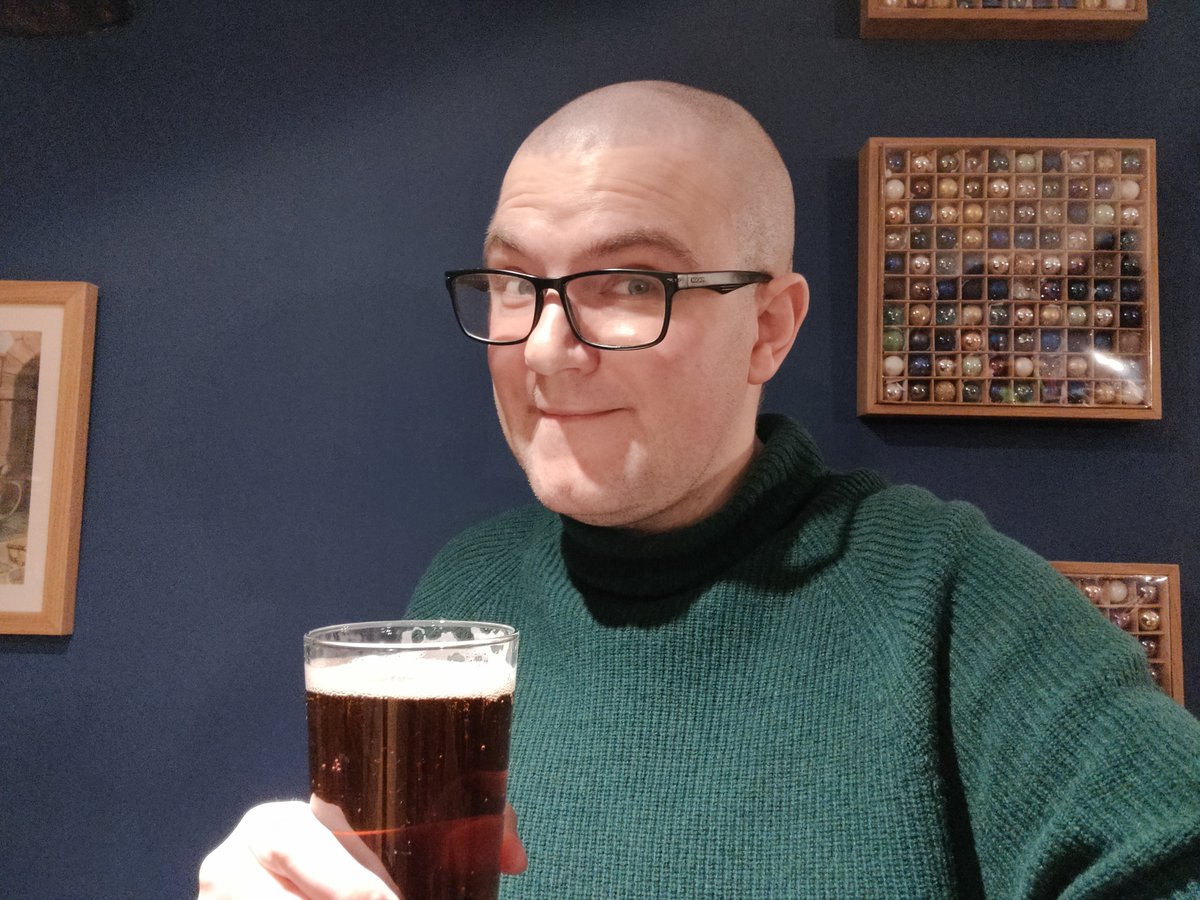
My happy face!
Out today: Rude Audio & Dan Wainwright / Early Morning / 2021 / TICITACI 066
https://www.ticitaci.com/releases/rude-audio-dan-wainwright-early-morning.html
Not sure they are our target audience TBH
Today I will be undertaking 4 hours of Business World training. Hmmmm.
And it's goodnight from him...

I forgot to say that I released the code and dataset for my London Review of Books scraper and circular review network finder https://github.com/MartinPaulEve/LRB
there's a nice tail recursion function in there that I never thought I'd have to write
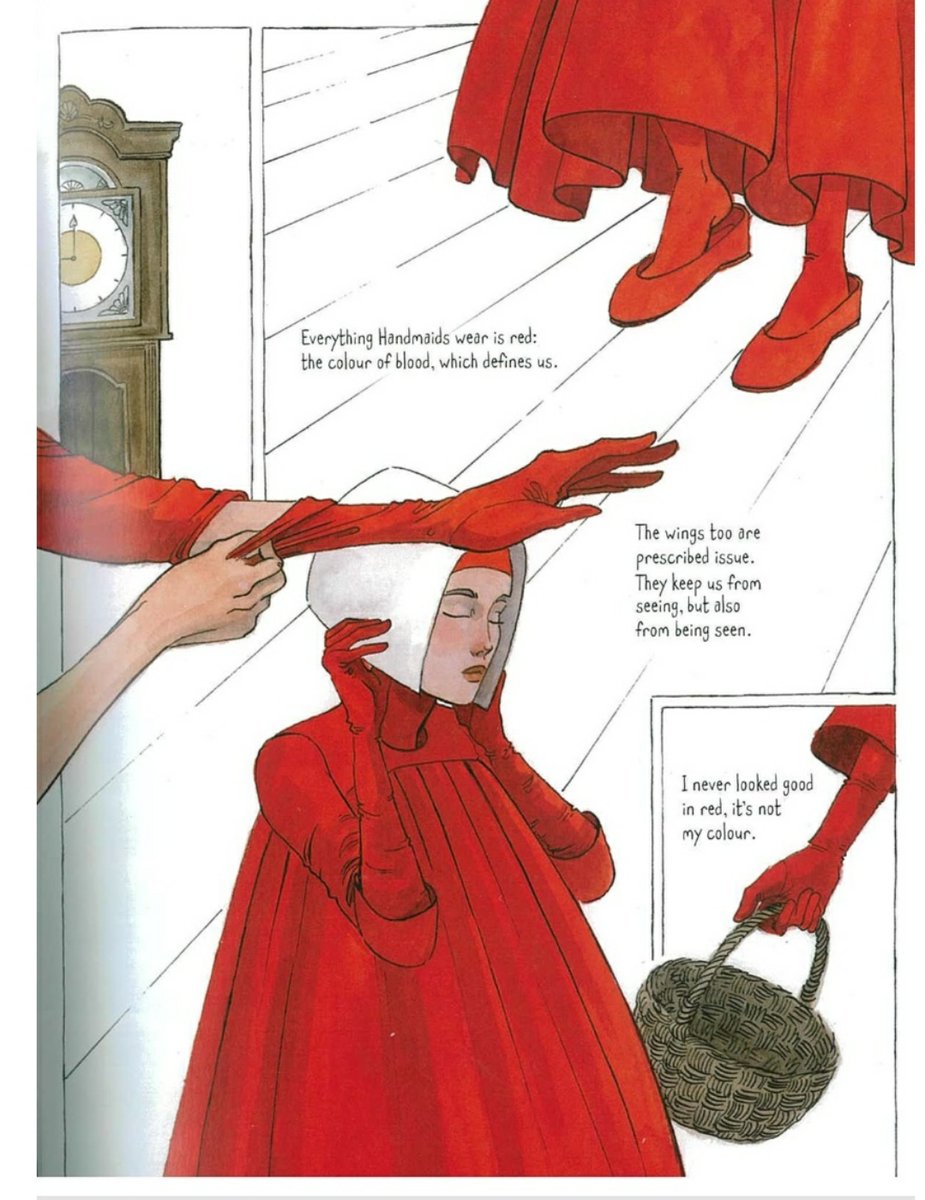
Also put today: Commins | Composing the Handmaid: From Graphic Novel to Protest Icon
https://www.comicsgrid.com/article/id/4045/
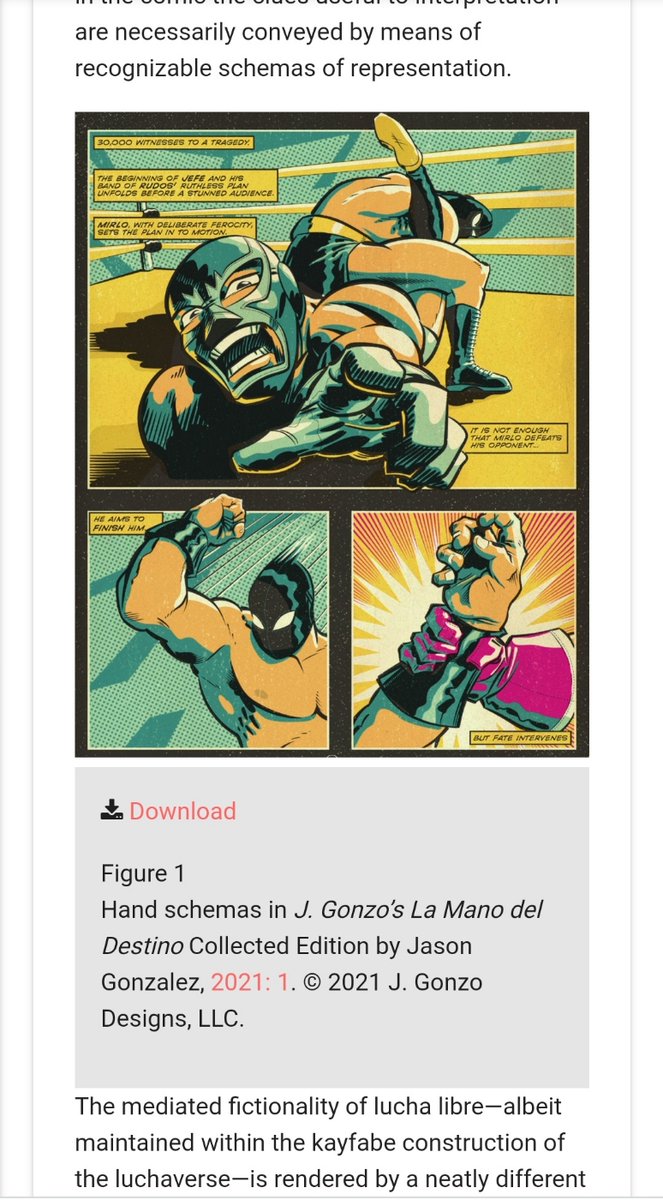
New today at @openlibhums journal The Comics Grid: Marini | Discursive (Re)Contruction of Mexican American Identity in J. Gonzo's La Mano del Destino
https://www.comicsgrid.com/article/id/4044/
Loving hearing @mithulucraft talking about global usage of open-access monographs. Their data show substantial usage of OA compared to non-OA, worldwide. However, several countries in Africa that had previously never used non-OA books were now able to do so. #R2RConf
I think I've found my new favourite writing spot
Though this is a little distracting
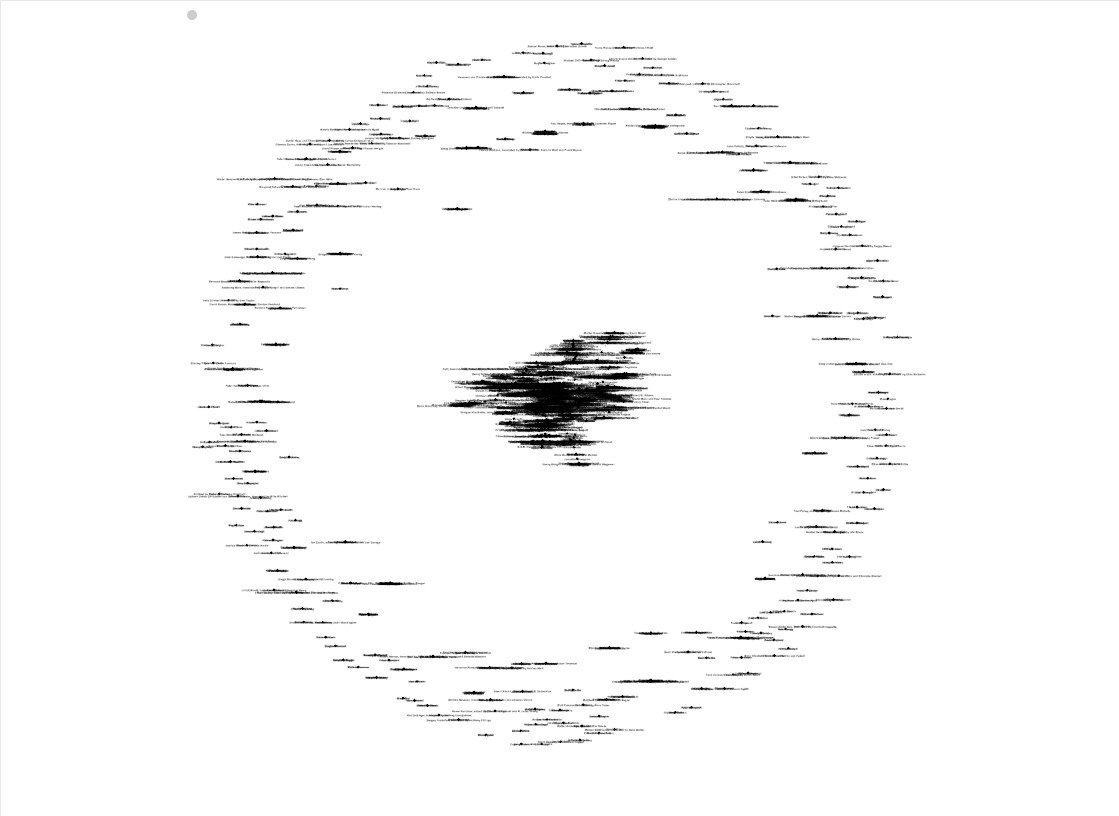
Well, my annual leave, quite frankly, has gone pretty badly with unwell pets and spouses, among other saddening things. How badly? I've resorted to playing with some network analysis of the London Review of Books for a book chapter I am writing https://eve.gd/2021/02/22/the-social-network-of-the-london-review-of-books/
Actually, an error in there that I am just correcting now - I have found some circularity of reviews
The correction, for those who would like to know, is that I have now found many cases of reviewer connection (X reviews Y reviews Z reviews X), albeit not necessarily chronological.
I seem to remember that, a while back, someone did some network analysis of book reviews, perhaps. Does anyone know who this was? Or am I making it up?
"[Oxford vaccine] efficacy was higher in those with a longer prime-boost interval (vaccine efficacy 81·3% [95% CI 60·3–91·2] at ≥12 weeks) than in those with a short interval (vaccine efficacy 55·1% [33·0–69·9] at <6 weeks)."
https://www.thelancet.com/journals/lancet/article/PIIS0140-6736(21)00432-3/fulltext
I had a go, today, at trading cryptocurrencies. I made £200. Not kidding.
If I could do this every day, I could give up my meaningful job teaching people about culture through writing and contact hours in order to make money through a fictional speculative financial delusion that consumes the annual carbon output of Norway.
Poor Toby is not very well and had to go to the vet. They were really well organized -- all handled outside for discussion at distance with masks and just he went in. He's now got some painkillers and is recovering.
It's actually been a grim day. Toby is not well at all and we're very worried about him. He hasn't really improved. We're both trying to make him comfortable.
Having spent most of yesterday thinking that it was curtains for Toby, today he seems to be pulling through! He's eaten something (our breakfast) and doesn't seem to be in so much pain. Thank you for the well wishes.
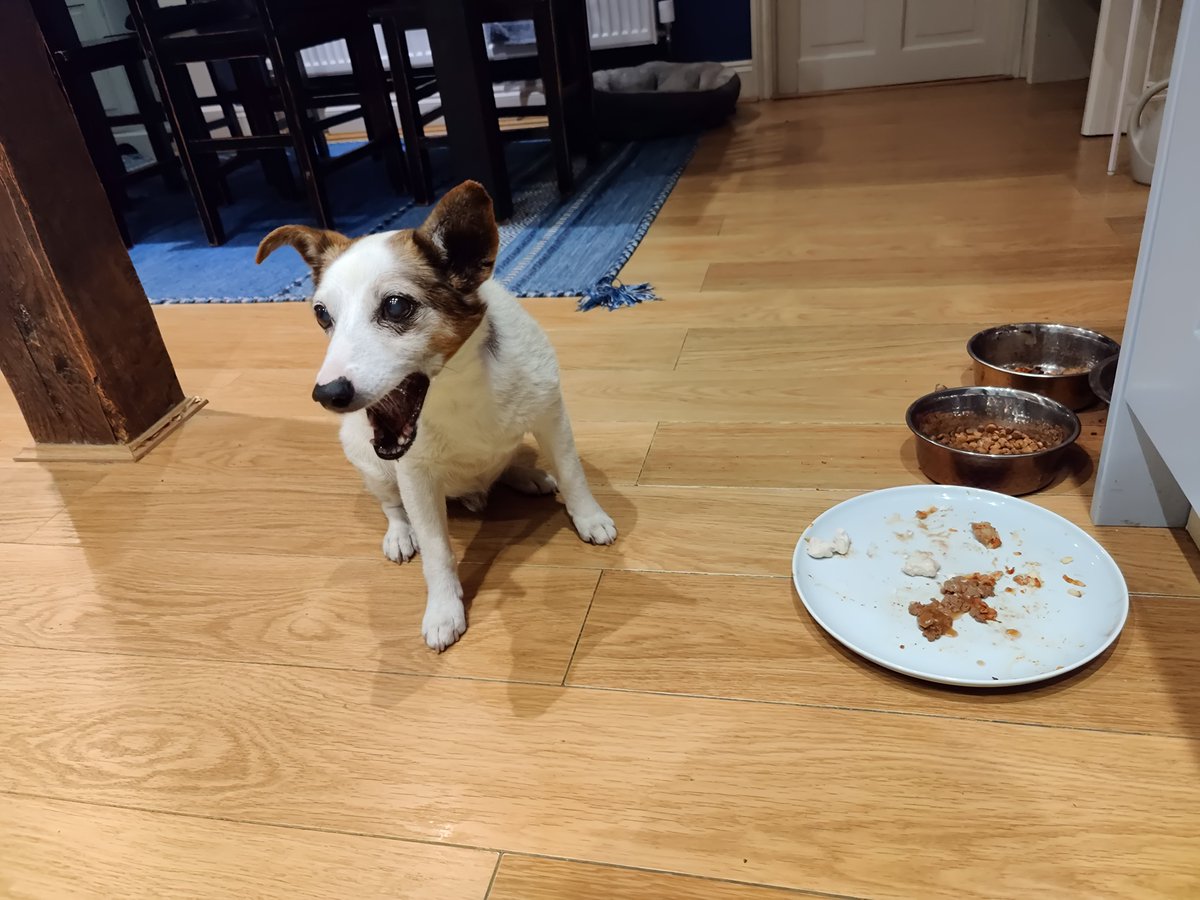
Toby's ready for his holiday. At home.
6 of my 7 published books are now open access. I hope that my next two to be published will be also. Working on my last backlist title.
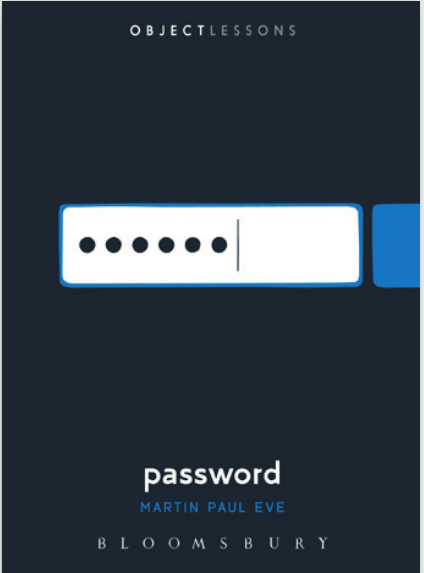
I am about to go on leave for 5 days, so it's the end of the week for me. But I have a parting gift to you all: my book /Password/ is now open access under a CC BY license! Free to read and reuse here: https://eprints.bbk.ac.uk/id/eprint/12131/1/Martin%20Paul%20Eve%20-%20Password.pdf or from the publisher: https://www.bloomsburycollections.com/book/password/
@ibogost @airplanereading
This is the mindset in which I operate and to which I aspire. To be able to give away my academic work for collective good. https://x.com/samoore_/status/1362378362145095681
Today we are releasing an Adobe InDesign template that anyone can re-use for free for typesetting scholarly articles https://janewaydev.medium.com/releasing-an-indesign-template-for-free-that-you-can-re-use-for-scholarly-article-typesetting-f06d39993ba2
Hey! Here's a premiere of my remix for the Shelter Beats for Beds compilation album! https://soundcloud.com/yeadonred/steady-state-shake-up-your-mind-martin-eve-remix-cotton-bud-master/s-aPYz9hUNzyp Available to buy here with all proceeds to Shelter https://paisleydarkrecords.bandcamp.com/album/beats-for-beds-shelter-me-remix-album
A busy month for @openlibhums! 2x new library members, we joined Portico, and thanks to @BirkbeckUoL our @RoseHarrisB was selected for the StellarHE strategic executive development programme for diverse leaders in higher education https://hub.londonbookfair.co.uk/academic-publishing-february-2021/
thanks @pressfuturist!
Never mind the world, I've just heard that there's going to be PADDINGTON 3
I've heard they wanted the new government military research agency to be called Advanced Research and Science Enterprise but other acronyms won out.
The government: we'll be using data not dates for when we end lockdown.
The Daily Mail: here's a date timeline for reopening!
Sniffer Dog Being Trained To Sniff Out Rare Vinyl
https://wundergroundmusic.com/sniffer-dog-trained-sniff-rare-vinyl/
I wish that http://generated.photos could do gender-neutral/androgynous faces. We need one for Janeway! https://generated.photos/
Having gone off the boil for 2 weeks I have now resumed writing every AM. Now working on "The Essay in the Career of the Contemporary English Novelist". In: Gigante, Denise and Childs, Jason (eds.) The Cambridge History of the British Essay. Cambridge: Cambridge University Press.
Oldey shark doo doo da doo da doo oldey shark
https://apsari.com/sharks-nature-sea-antarctica-ocean-wonder-of-nature?utm_source=wallpost
Space. The final front ear.
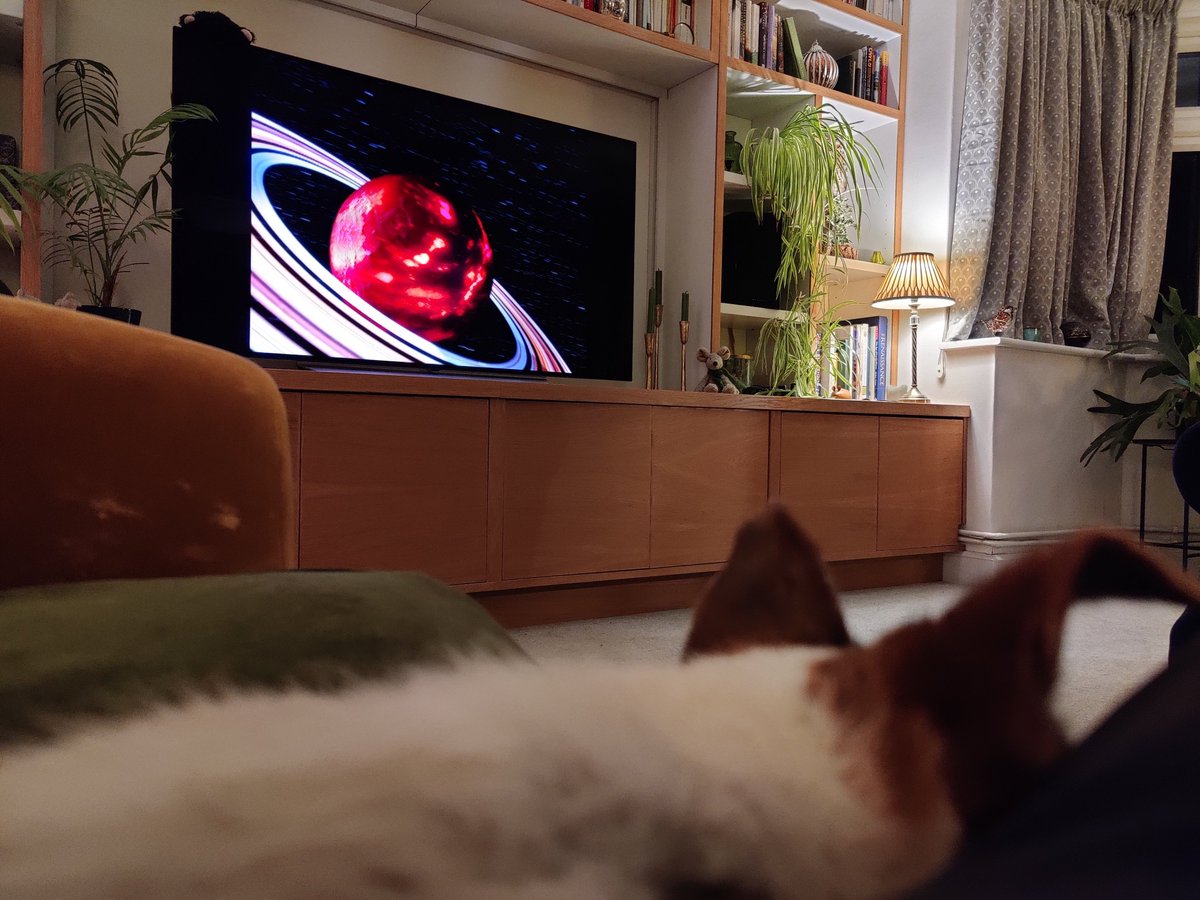
Oh good...
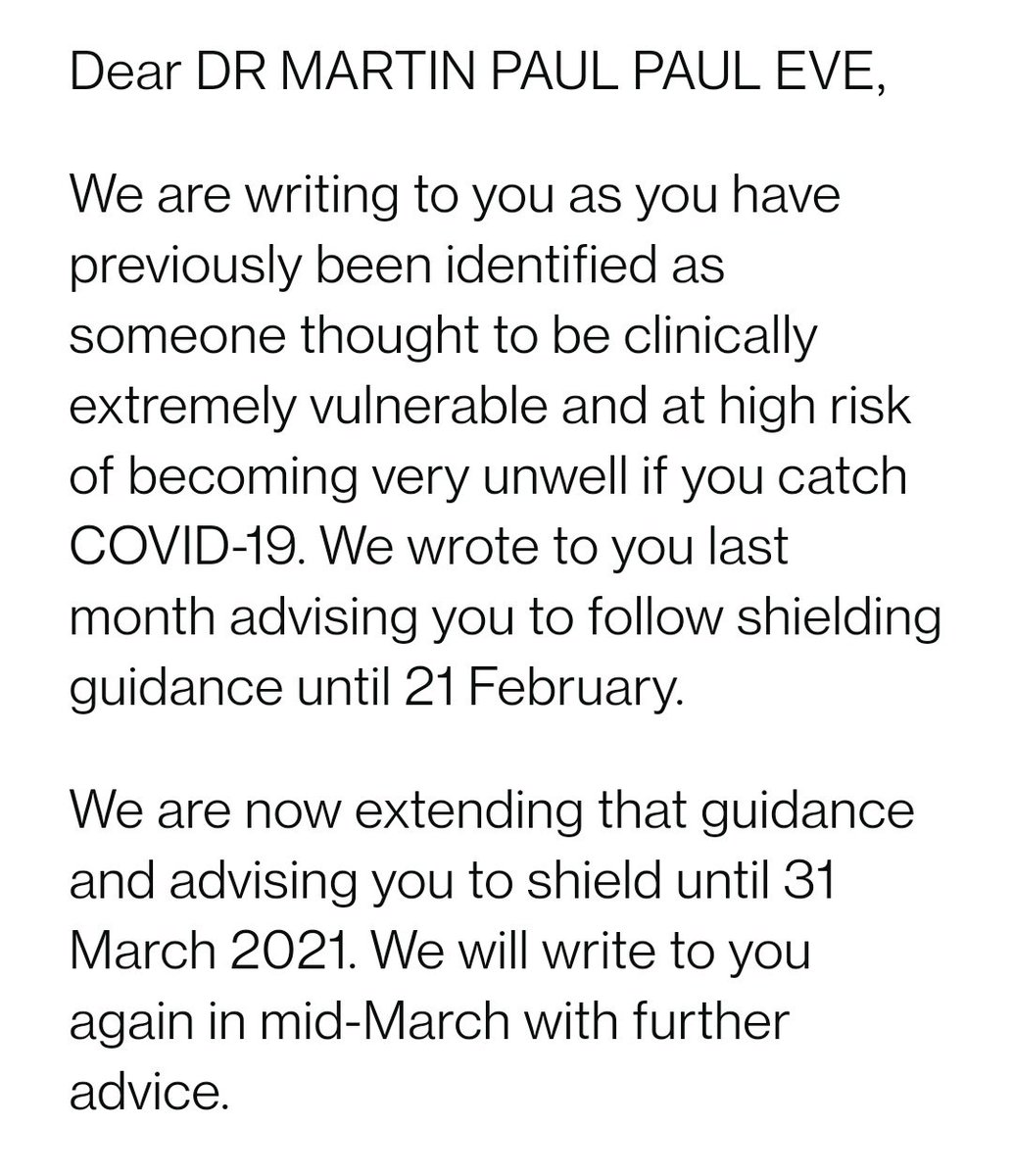
W're spending a lot of time rationalising and organising at OLH at the moment and @ajrbyers is getting pro!
I thought "onboarding" was an outlawed practice?
The @COPIMproject team are in for a treat thanks to @ScholTom who has made a TOBY emoji

We now have a proper explicit security policy at @janeway_systems https://github.com/BirkbeckCTP/janeway/security/policy
I do love 9am playbook from @ResearchRes: 'The department says that “a new legal measure would enable individuals to seek compensation through the courts if they suffer loss as a result of breach of the free speech duties—such as being expelled, dismissed or demoted”.'
'On that point, we are really struggling to think of a single example of any academic eligible to make such a claim—unless the OfS will be backing the cases of staff dismissed from some universities for adhering to racial bell curve theories or promoting Holocaust denial.'
'This is a wholly performative and entirely wearisome appeal to the base of what has become of the Conservative Party in England. This morning Gavin Williamson takes to the pages of the Telegraph paywall to explain his free speech plans.'
This evening I added KBART metadata export into Janeway. Took 39 minutes. https://janewaydev.medium.com/adding-kbart-metadata-export-to-janeway-91087de67cd1
It's great to see a job at the University of Cambridge with a core focus on "developing support for open access monograph publishing". https://x.com/niamhtumelty/status/1361320135391387656
Can you imagine anything more stupid as a leader than saying that your plan to ease lockdown will be "irreversible" in the current climate of a rapidly mutating, ultra-contagious, lethal pandemic?
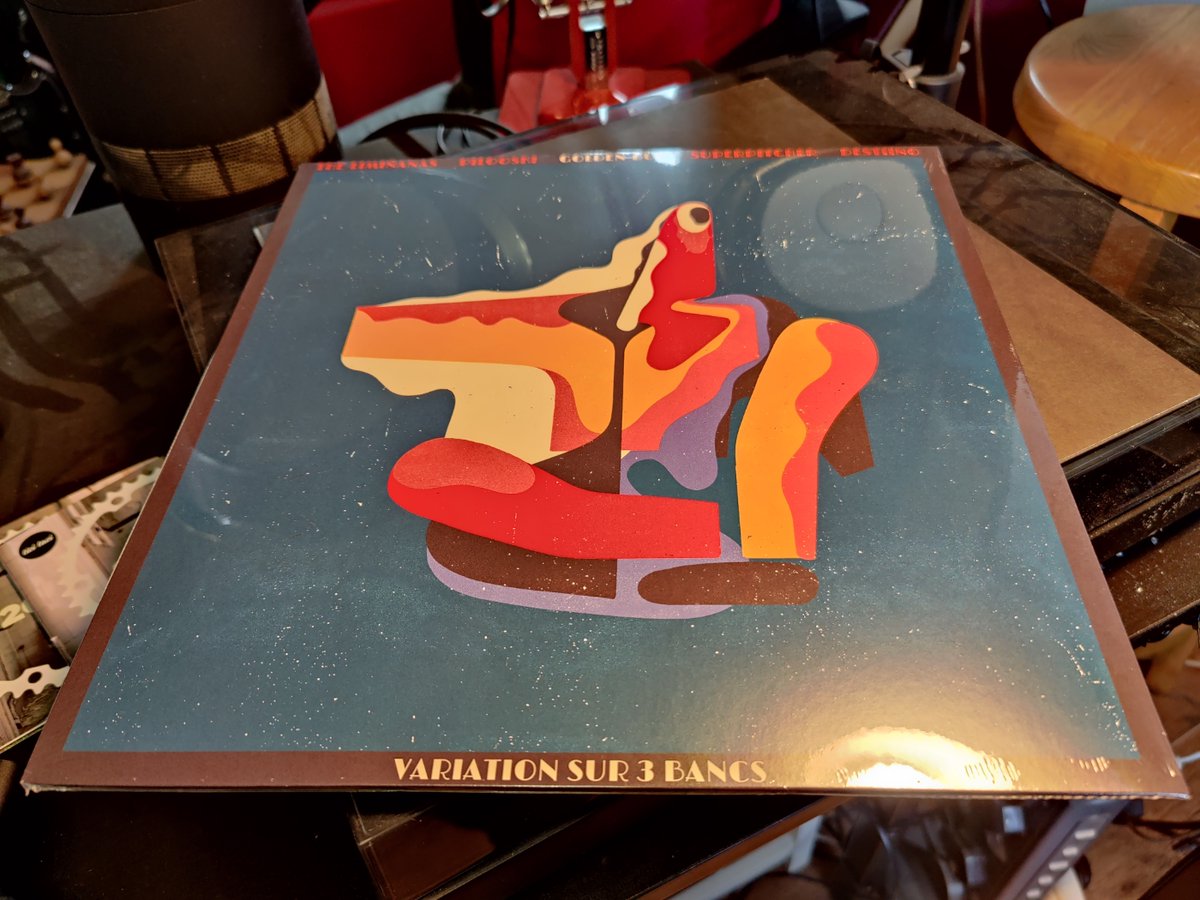
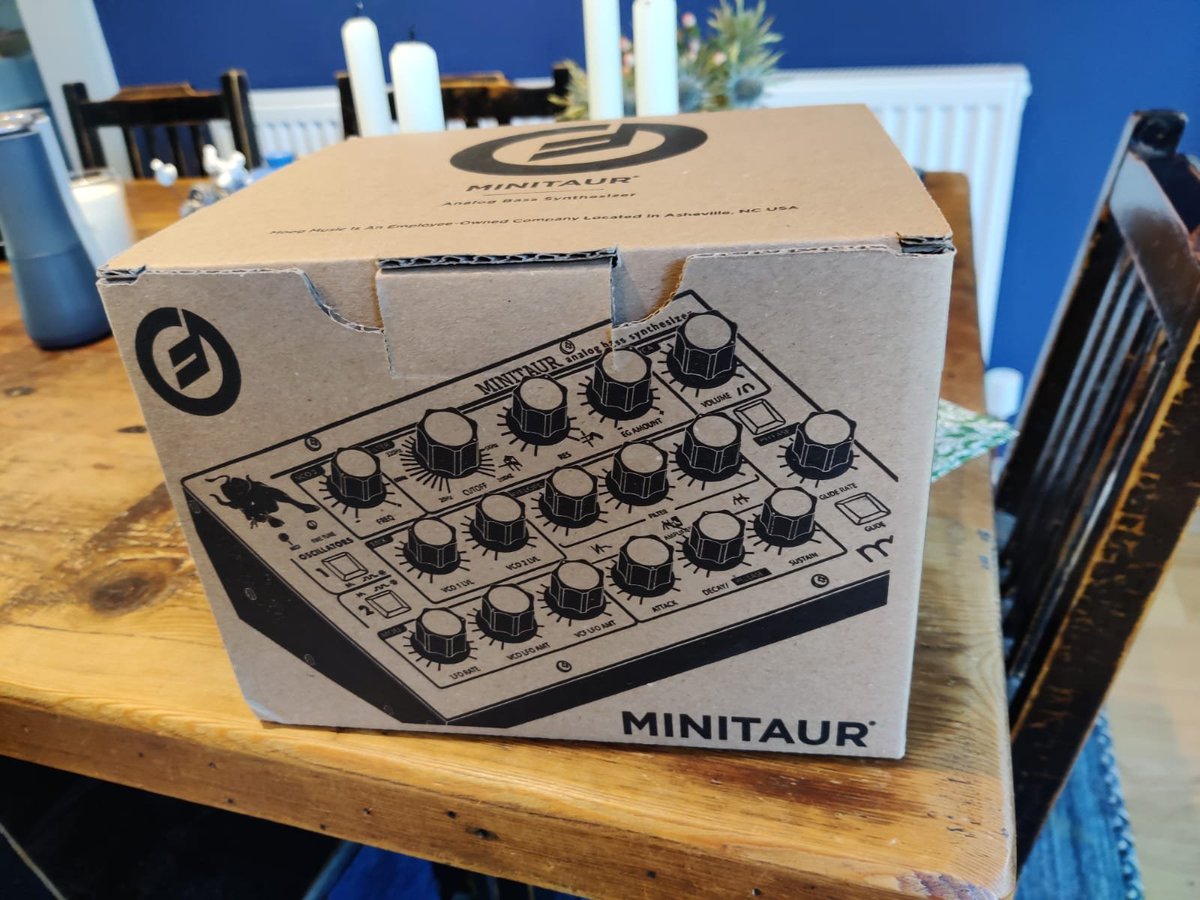
Excellent! Tonight's listening has arrived.
Seeing reports that Catherine Belsey has died. Her /Critical Practice/ really is an excellent book.
Toby has achieved conference fame https://x.com/UKSG/status/1361268432386293761
Not that Toby's relaxed this evening or anything
My latest electronic music creation strategy is to sing some catchy bluesy hard rock - ZZ Top particularly good - isolate the bass, recreate it, then jam over the top.
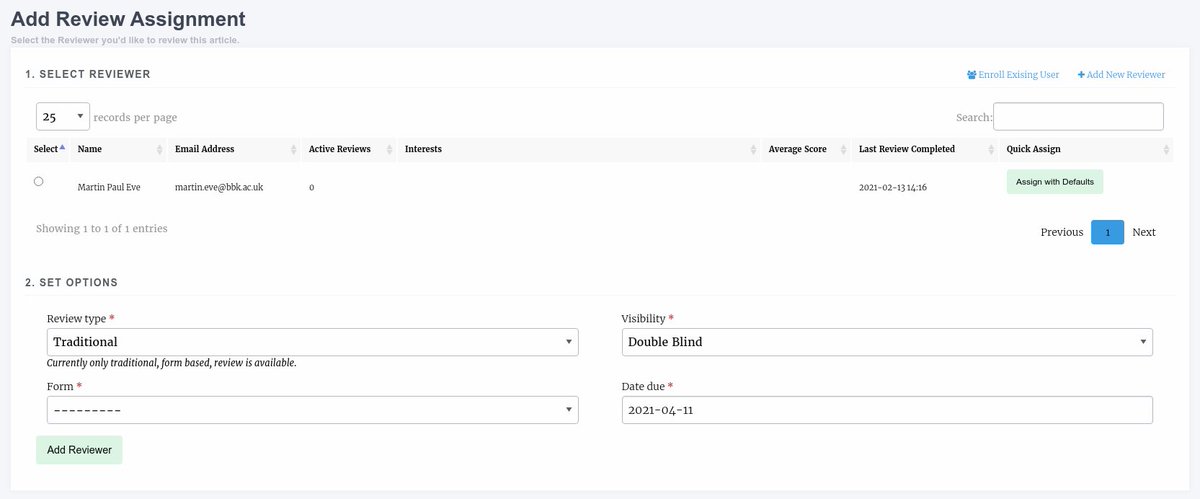
Today's Janeway hacking is on this issue: https://github.com/BirkbeckCTP/janeway/issues/1968. I am going to make the enrollment process for reviewers much better.
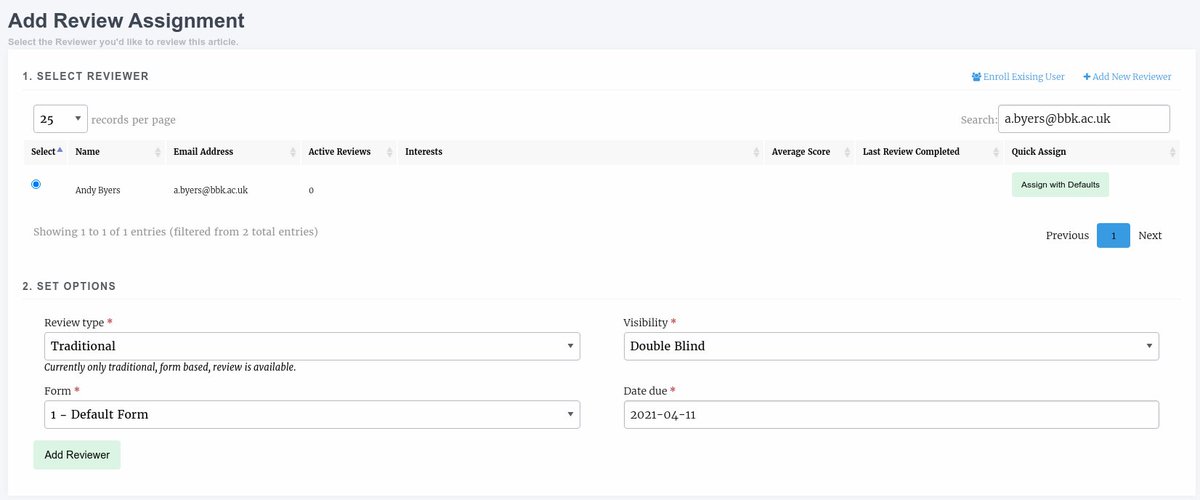
At the moment the enroll reviewers page has two options: "enroll existing user" or "add new reviewer".
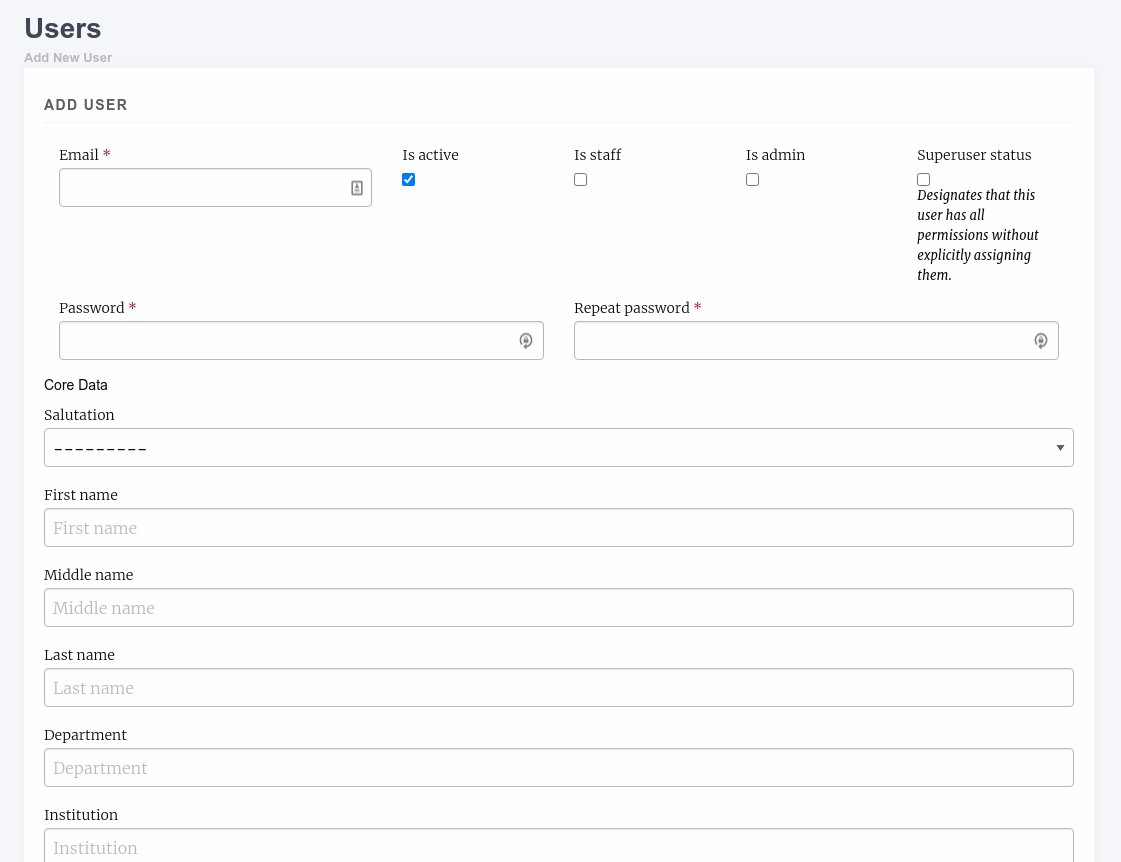
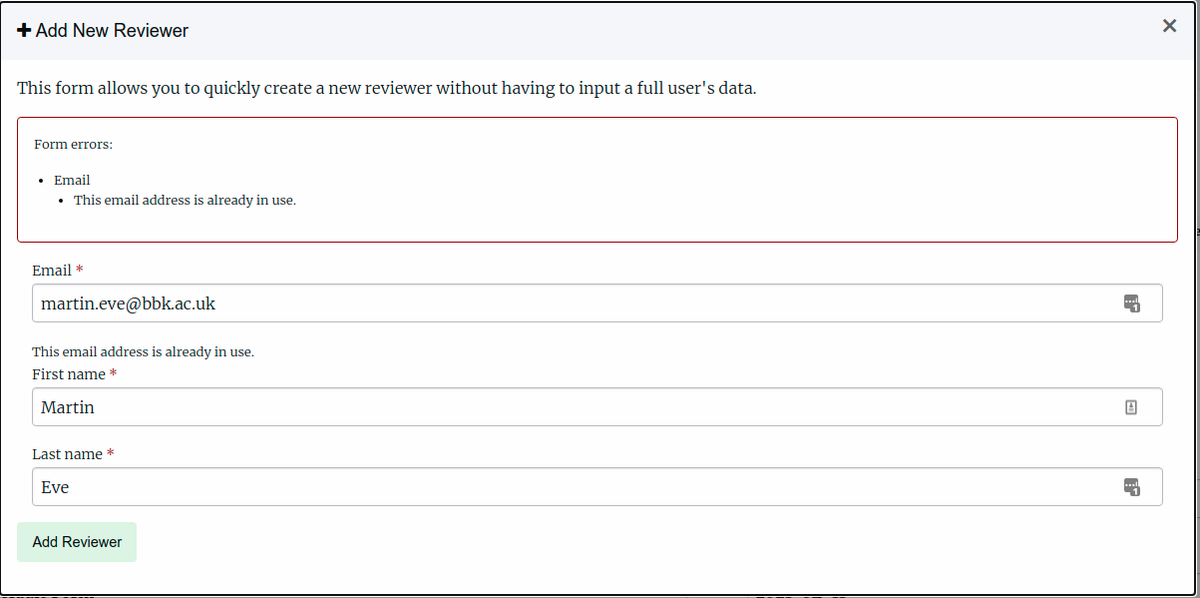
The "add new reviewer" option annoys the heck out of me at the moment, because it just uses the standard "create new user" template. What we need/want is: 1. a form that auto searches for existing users; but 2. only requires the most minimal of data from the editor.
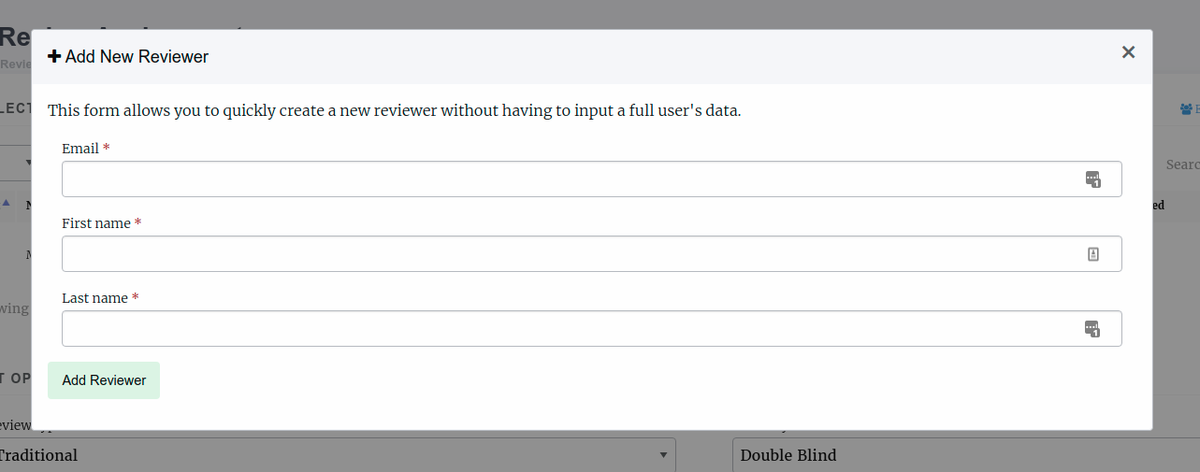
Now, if you enable one-click review mode (which I am going to make the default), the form is much more palatable.
However, THIS is really annoying. I am going to make it search for an existing user and automatically add that if selected here.
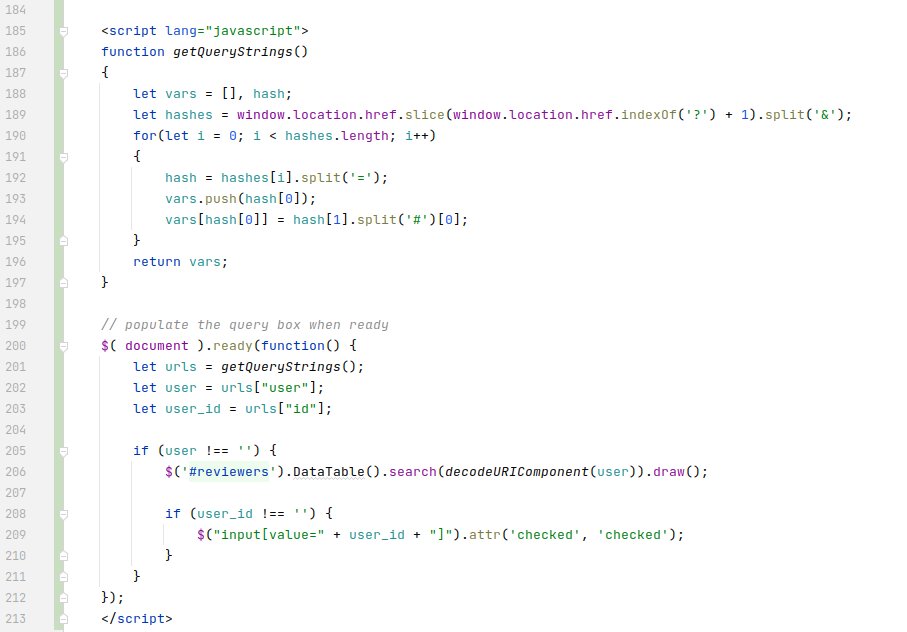
My fix now means that you can enter existing details in this form and, instead of telling you the user exists, it will just assume you want to select them. The JS magic is that, when you then return to the review assignment page, the user you created or found is auto selected.
It has been about a year since I've written any javascript and I do _not_ miss it.
Now:
1. You enter an email. Doesn't matter if they already exist. It finds existing users. Tries to enroll them if not enrolled. Or creates the account.
2. Then when you return to the enrollment page, there's auto datatables search for the new acc + auto selects it.
Done.
1hr 20mins to do this. A simple change that will make it much easier for time-pressed editors.
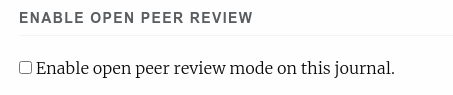
The open peer review system that I baked into Janeway yesterday operates on an entirely opt-in system of consent. That is, journals have to enable it, then reviewers have to give permission. It is possible to say that reviews must be open but this all changes review dynamics.
In a preprint world the open reviews, even if reject, may make more sense. If using a review system as a prefilter it is likely that this system will lead rather to a set of articles that are endorsed by reviewers - ie a bias towards showing positive reports.
This could be important and useful. As @kfitz put it "in using a human filtering system, the most important thing to have information about is less the data that is being filtered, than the human filter itself: who is making the decisions, and why".
@kfitz I still think there are lots of problems with our systems of rejection, but hopefully this is, for us, a start to be more transparent re review.
@kfitz A final note: this is not any blanket policy change at OLH. But, over the next 6 months, we will be speaking to journals about whether they might opt in.
Open peer review in Janeway https://janewaydev.medium.com/open-peer-review-in-janeway-b5974eb15a62
Today's fun-time "hack Janeway" task for me is to get open peer review working and displaying the reviews. Let's see how long this takes from zero to implementation... 3... 2... 1... GO.
git checkout -b 141-feature-open-review-display
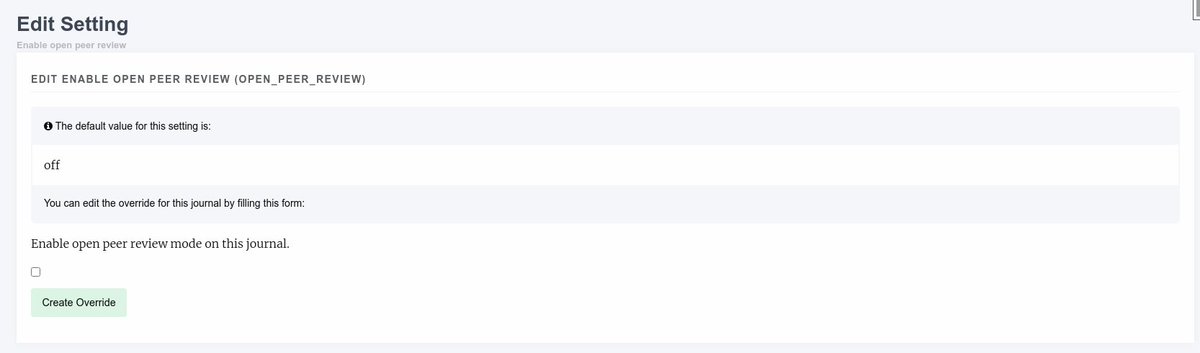
Step 1: add setting "open_peer_review" to utils/install/journal_defaults.json
2: run http://manage.py load_default_settings in docker shell
3. Oh look!
OK, so it took me a bit of diving about as I couldn't remember where we did this, but then adding 'open_peer_review' to get_settings_to_edit in core/logic.py gives the user this option in the journal settings form
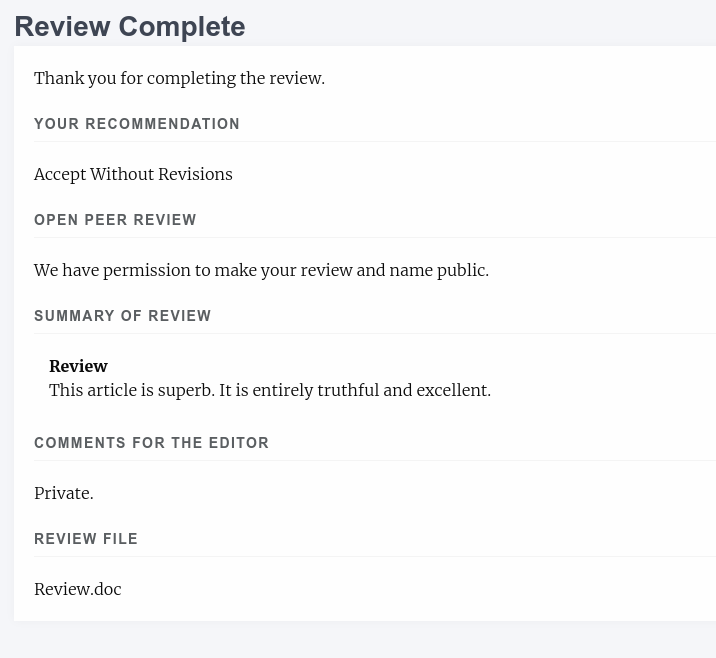
Next I want to record consent from the reviewer that we can display their review openly against their name...
So, in reviews/models.py I find the ReviewAssignment class and add a field: permission_to_make_public = models.BooleanField(default=False). I then generate the database migration
It's not very pretty and might need some tidying up, but then adding the permission_to_make_public field to the ReviewerDecisionForm (and conditionally in the template) adds this to the form
Added a little indicator to the "thanks.html" page.
Now, I suspect that this mandatory field add has messed up reviews in normal mode, so I now need to go back and test in regular, non-open mode.
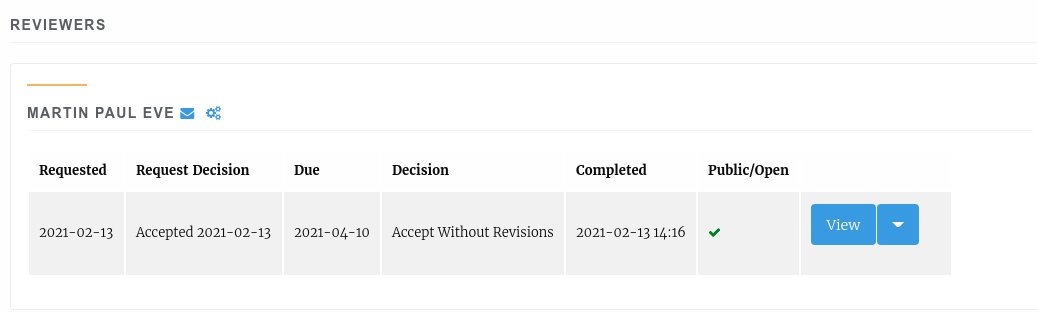
OK, it didn't actually. Now I want to add some ways to view this consent field.
There we go. A nice little template addition.
OK, so at this point all reviews now collect consent from reviewers as to whether we have permission to make them public, along with reviewer identity. The next step is, at the prepublication phase, to allow an editor to choose to make these public.
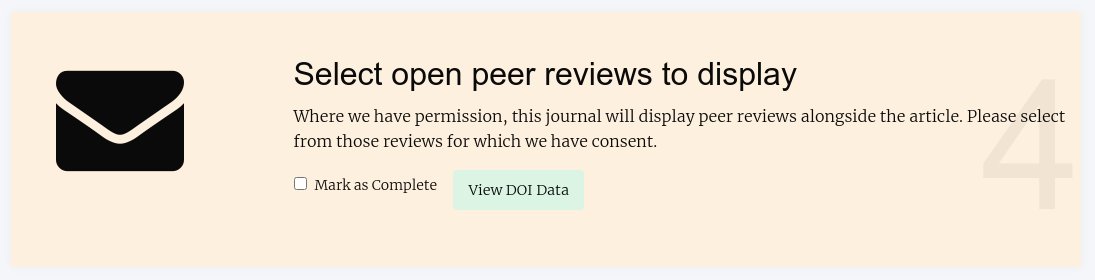
To do this, I am going to add a field, "select_open_reviews", to our list of prepublication checks in journal/models.py's FixedPubCheckItems
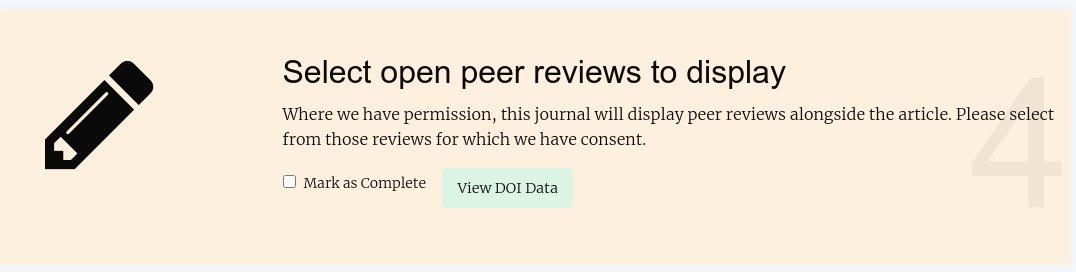
Probably slightly dubious font-awesome icon choice, but here's what this looks like
Better fa-pencil
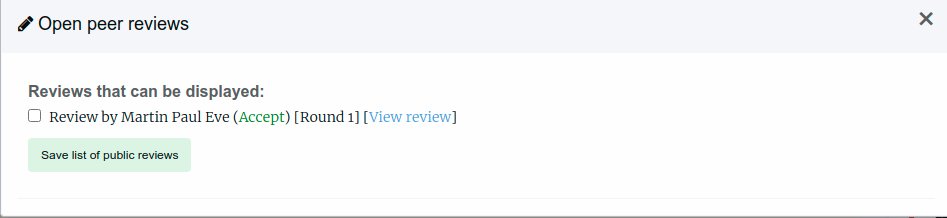
OK, so the slightly painful bit now is that I need to add a modal box that pulls out all the reviews that have public assignations and permission and let the editor choose. First: a tea break. Pausing the clock.
OK, back at it. I'm adding a field to ReviewAssignment called display_public that determines whether the review will be displayed.
The modal now pulls out the list of reviews for which we have permission. I next need to make this into a form.
Form-ized and added a link to view the review for easy reference
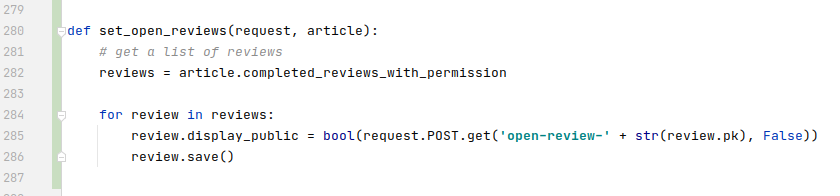
Some very simple behind the scenes logic allows us to save to the database, only selecting reviews for which we had permission.
OK, wow. So, now it's time for the front end logic!
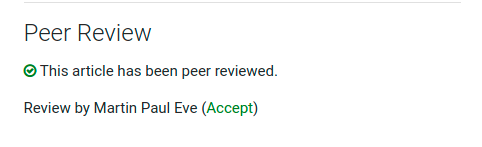
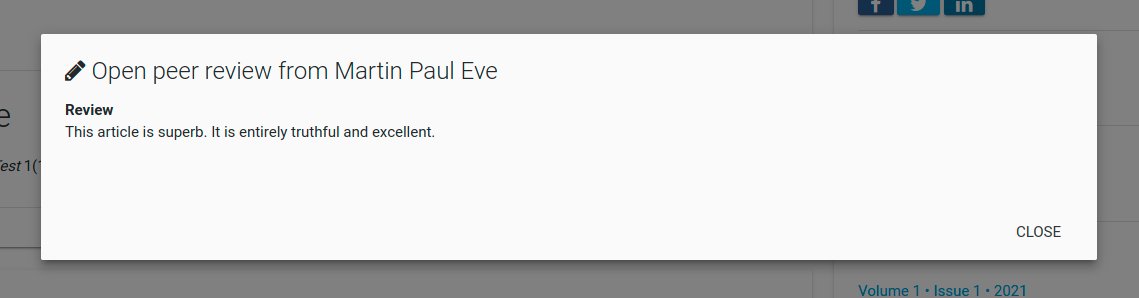
... and here's the material theme displaying our open peer review, when they are present
When you click that "Accept", what do you see? This!
Quick break to play "honkers pig" with Toby. Back to it. Now have to build this into the other themes.
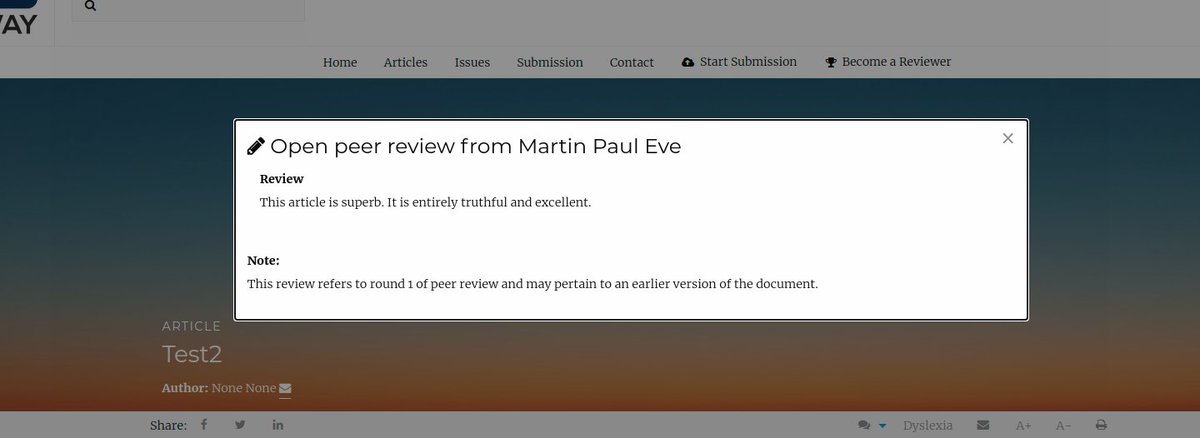
Here's the open peer review being displayed in the OLH theme
OK, so that took me 2hrs 45 minutes. Janeway now has the ability to host open peer review. https://github.com/BirkbeckCTP/janeway/commit/90a24aaf418d22c04e6409bfb724b4219ec0dc5b
The final write-up https://janewaydev.medium.com/open-peer-review-in-janeway-b5974eb15a62


Hey! I did some music for charity! Out on the 5th March in aid of Shelter.
https://paisleydarkrecords.bandcamp.com/album/beats-for-beds-shelter-me-remix-album
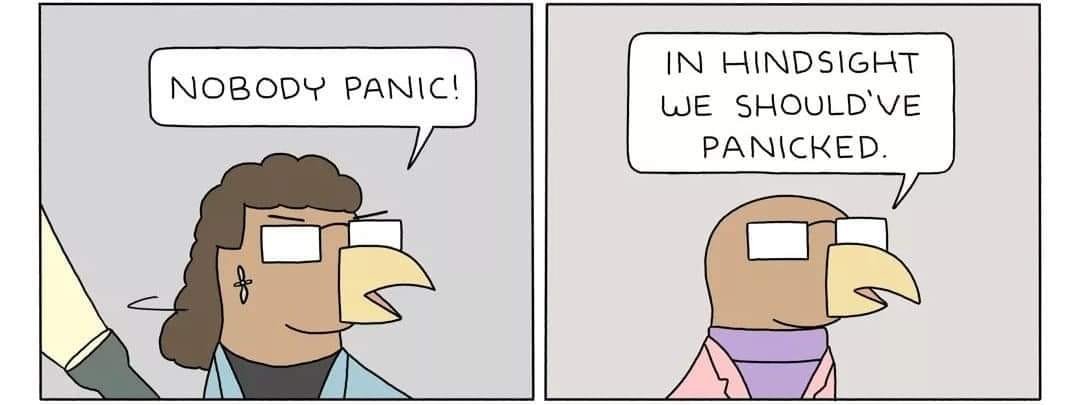
In hindsight.
Former raver deeply disappointed by ‘exercise high’ https://www.thedailymash.co.uk/news/health/former-raver-deeply-disappointed-by-exercise-high-20170625130338
"I am just going outside and may be some time."
Twenty-two Historical Encyclopedias Encoded in TEI: a New Resource for the Digital Humanities https://www.aclweb.org/anthology/2020.latechclfl-1.13/
Late night COPIM meeting time.
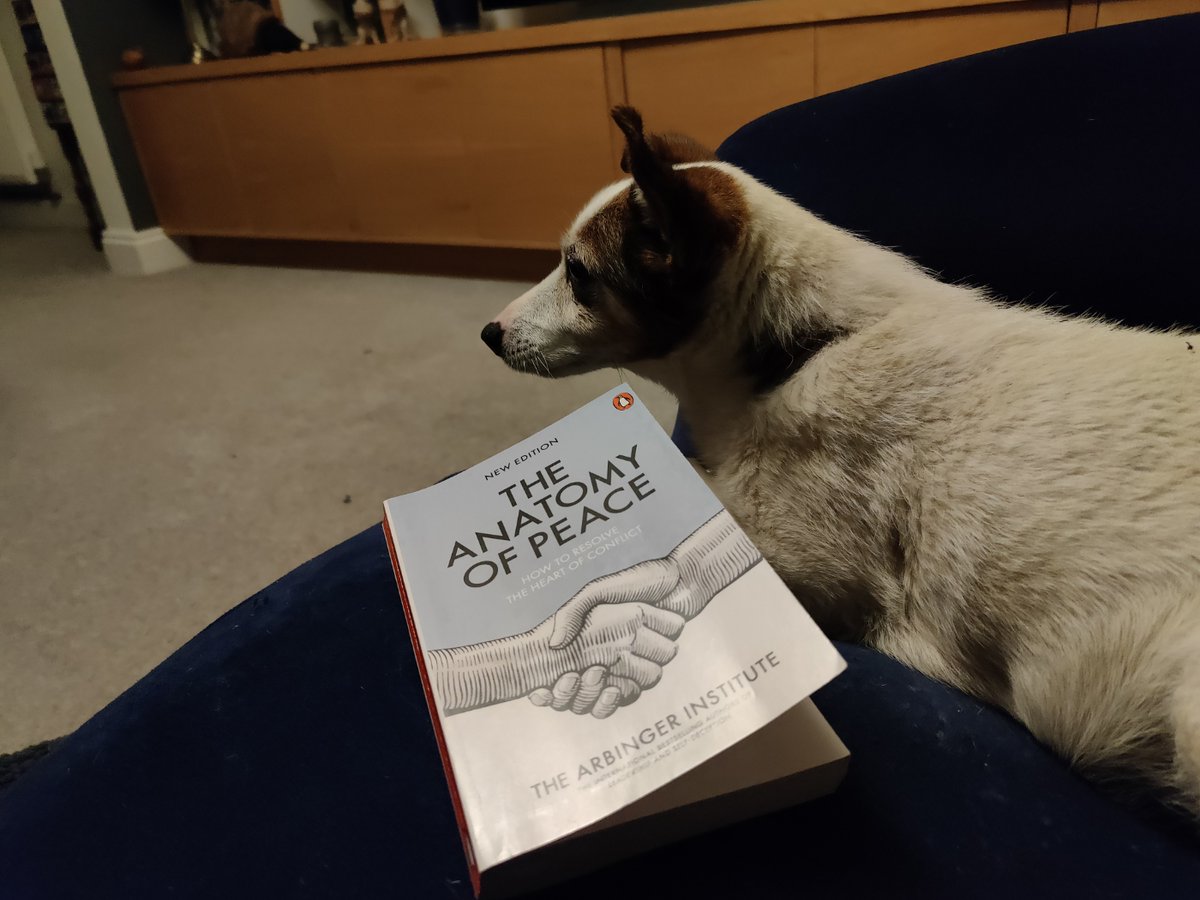
Toby learns to be at peace

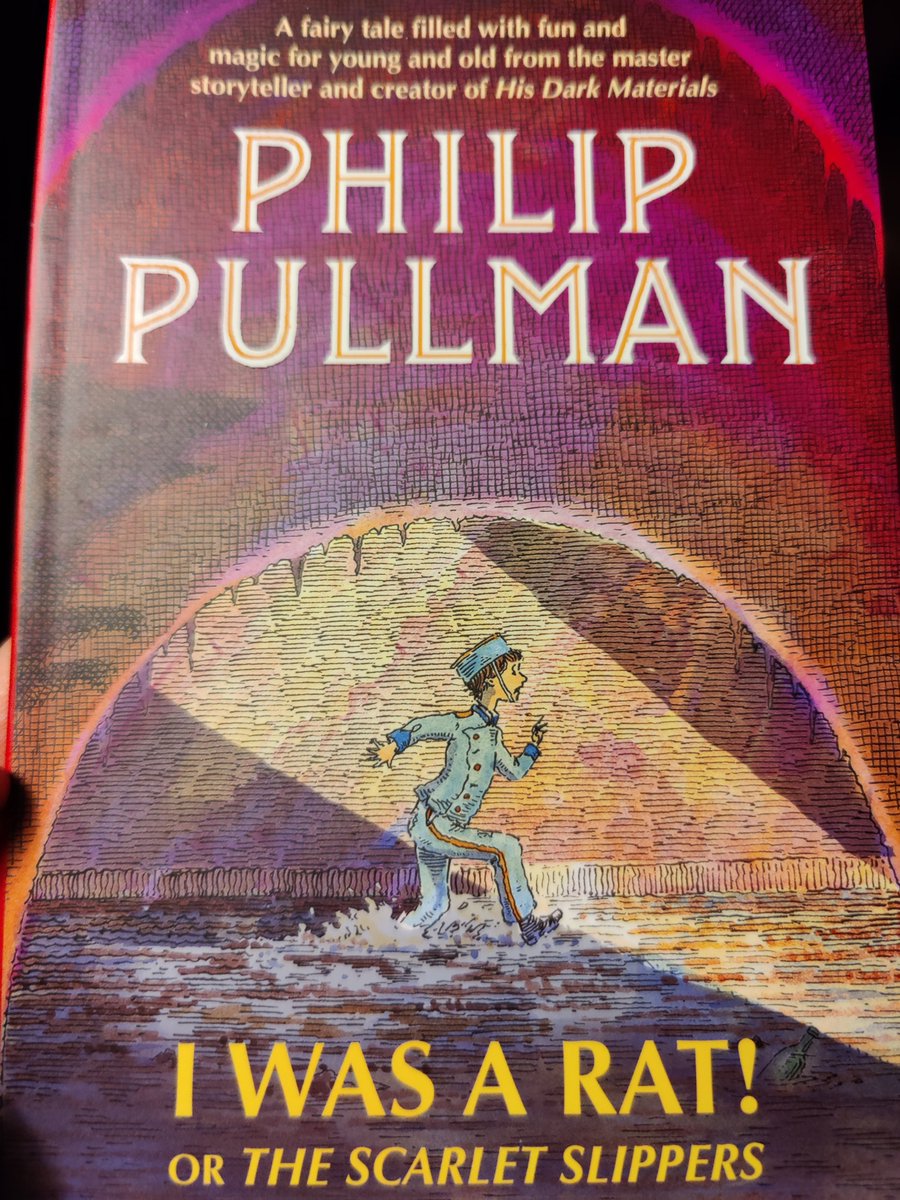
Perhaps the only children's book I have ever read that features a Wittgenstein parody is Philip Pullman's _I Was a Rat_.
Sold out! https://x.com/thelongchamps/status/1358900909154131970
Nearly all of the CDs with my new track on have gone in the first half hour, but a few left, here.
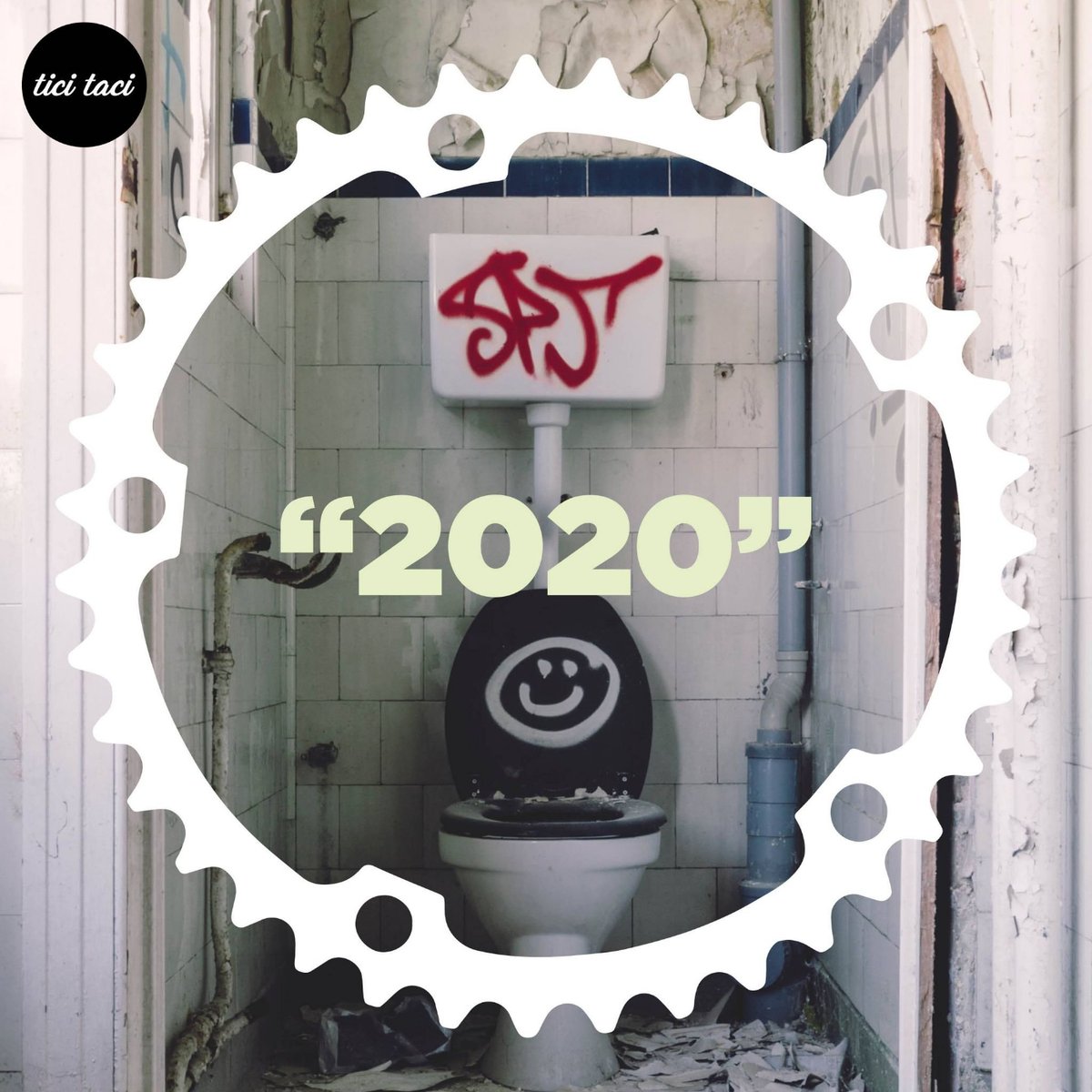
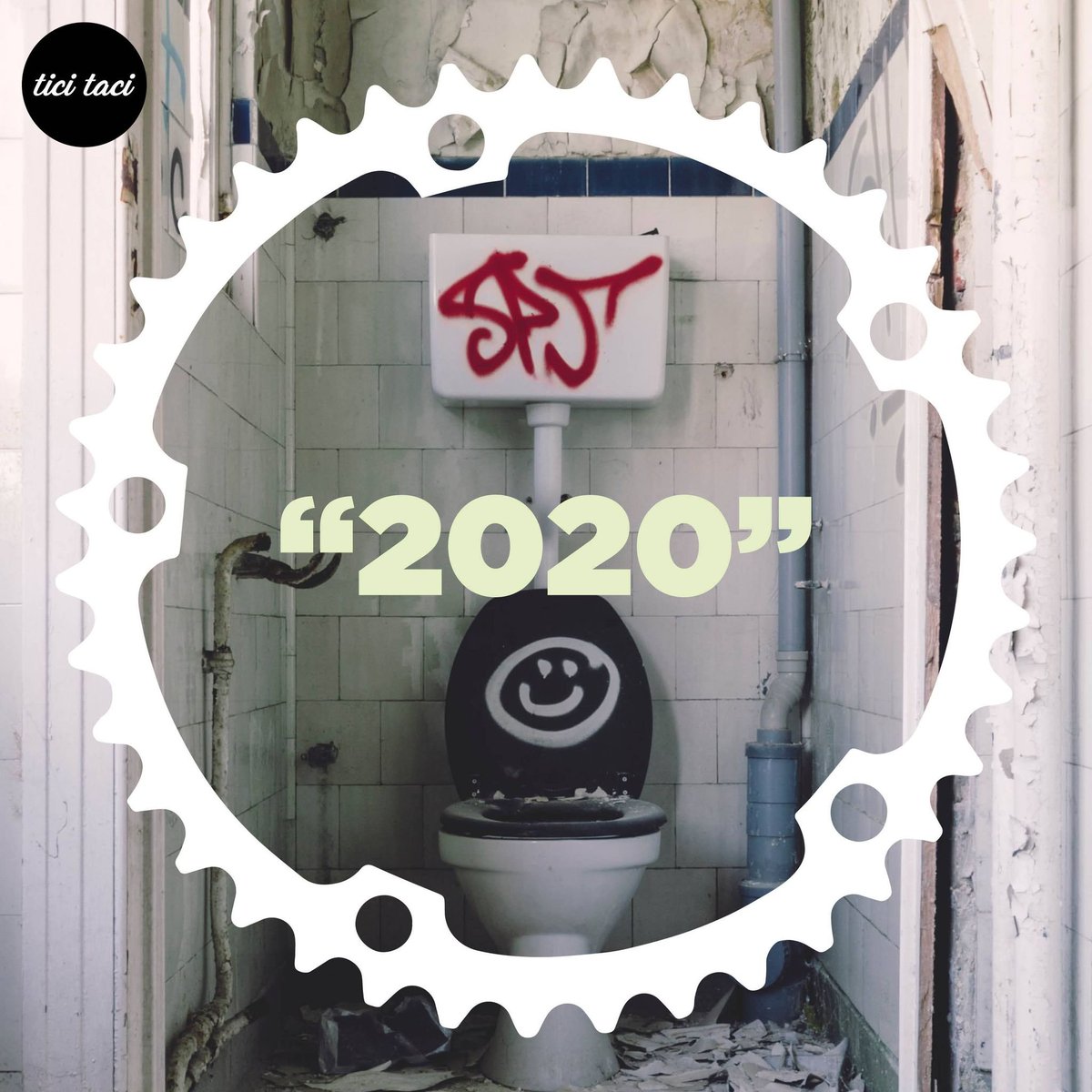
Various Artists / “2020” / TTCD 005
https://www.ticitaci.com/releases/2020.html
Very pleased to be able to say that the @openlibhums will be joining the @Portico_Digital preservation archive, alongside @CLOCKSSArchive, adding to our guarantee of long-term availability of the material published in all our journals.
Signing the contract this week with any luck.
“Reviews in Digital Humanities in the Classroom” Special Issue https://reviewsindh.pubpub.org/v2-n2
"Small-Time Hero" https://soundcloud.com/ticitaci/martin-eve-small-time-hero-1?in=ticitaci/sets/ttcd005-various-artists-2021
On sale tonight at 8pm, on https://www.ticitaci.com
Helping with work
Petition to rename WhatsApp "delete this message for everyone" and Outlook "recall this message" options "the Streisand button".
We've been discussing the Open Covid Pledge at a College committee today: a pledge to openly release all IP related to ending the Covid pandemic. Some good ideas here, but a few things leap out at me...
1. The prominent signatory list on the homepage -- Amazon, Facebook etc. -- doesn't exactly fill m e with joyous confidence in the ethical core of this enterprise. https://www.reuters.com/article/us-amazon-com-results-idUSKCN24V3HL
2. Why should the pandemic be seen as totally different to other research with an ethical imperative? Why should not research into rare autoimmune conditions, for instance, be IP free? These wreck people's lives, too.
3. It's easy, theoretically, to extend this principle to "all medical research", but it does get complex when translational impact of this research can rely on for-profit manufacturing capacity in industry. It's hard to model this interaction and the role of IP.
4. Outside of the biomedical sciences -- say in history, English lit etc. -- the advantages of open access to research also seem to me clear (perhaps predictably); I won't rehearse this, but it's good for people to be able to know things about cultures and histories.
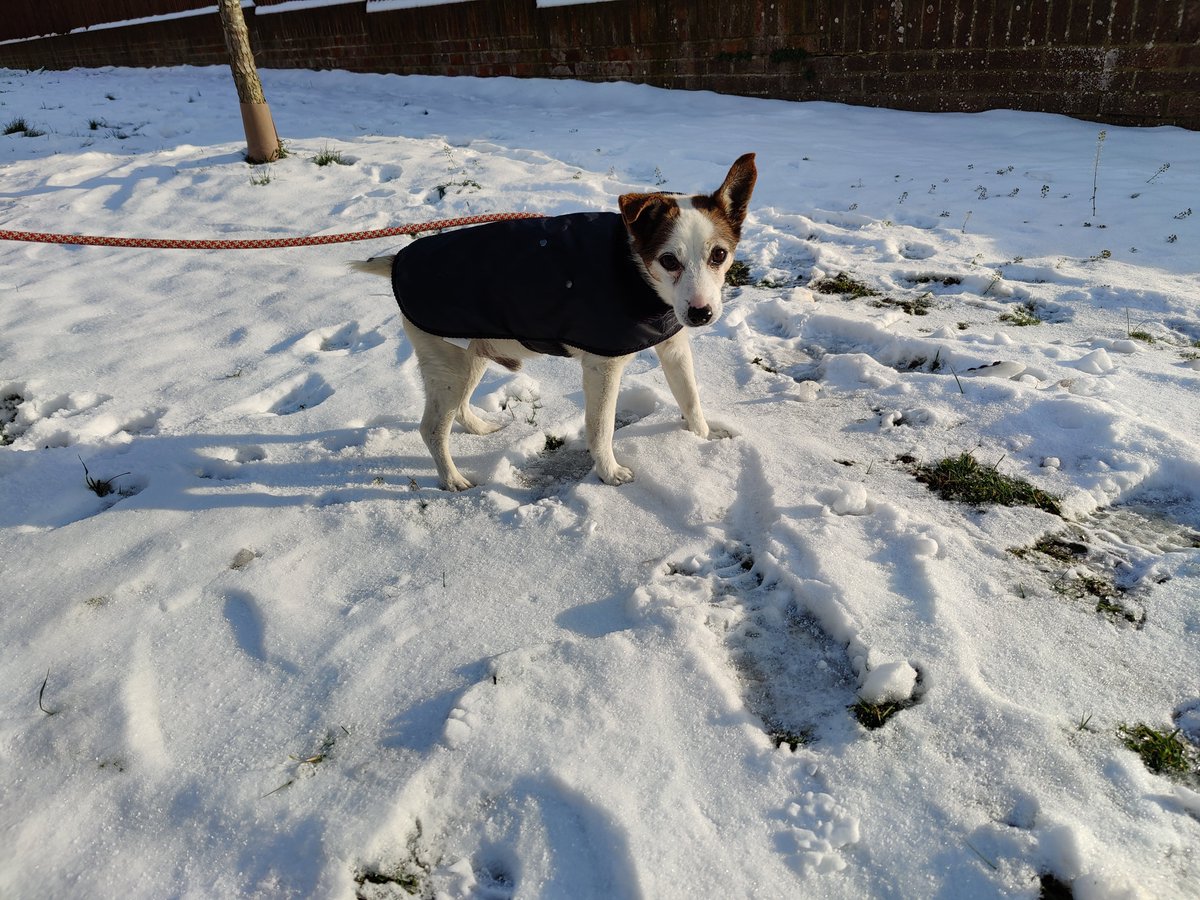
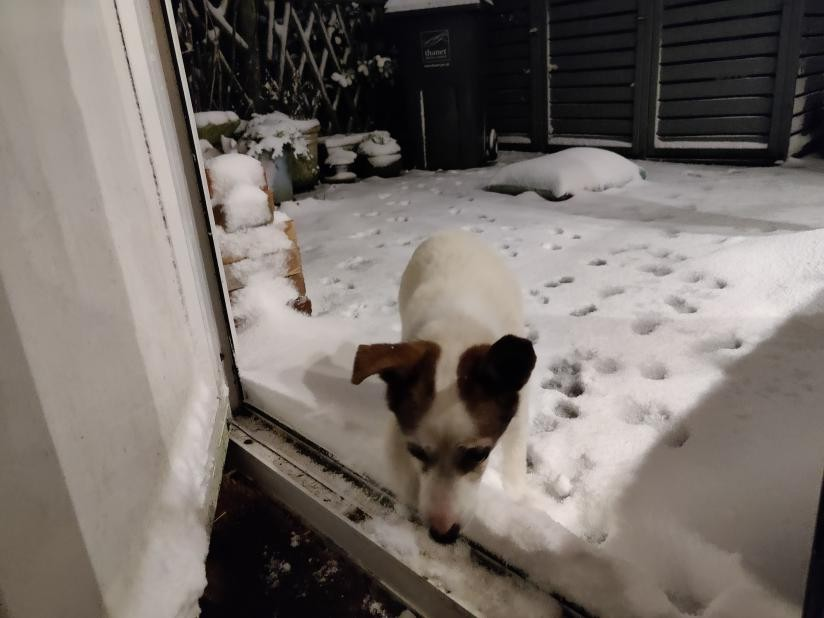
Tobes in the snow
Today I have online meetings at 9.00, 10.00, 11.00, 12.00, 13.00, 14.00, 15.00 and 18.00. Not even joking.
ChAdOx1 nCov-19 provides minimal protection against mild-moderate COVID-19 infection from B.1.351 coronavirus variant in young South African adults
https://www.ox.ac.uk/news/2021-02-07-chadox1-ncov-19-provides-minimal-protection-against-mild-moderate-covid-19-infection
Not good
A cold wintery Sunday on the sofa

Preview clips for "2020" are now up on the label website. Extremely limited release at 8pm on Monday https://www.ticitaci.com/releases/2020.html
Week 6 of fitness didn't go quite so well, due to illness caused by my autoimmune conditions. Still, could have been worse.
Hey! I have new music coming Monday, 8pm at https://www.ticitaci.com. Clips here with an all-star cast! https://soundcloud.app.goo.gl/e4Paj The thing I like about my track is that I nicked my brother, Rich Gray, for some guitar duties 😁 Strictly limited to 100 copies of the CD...
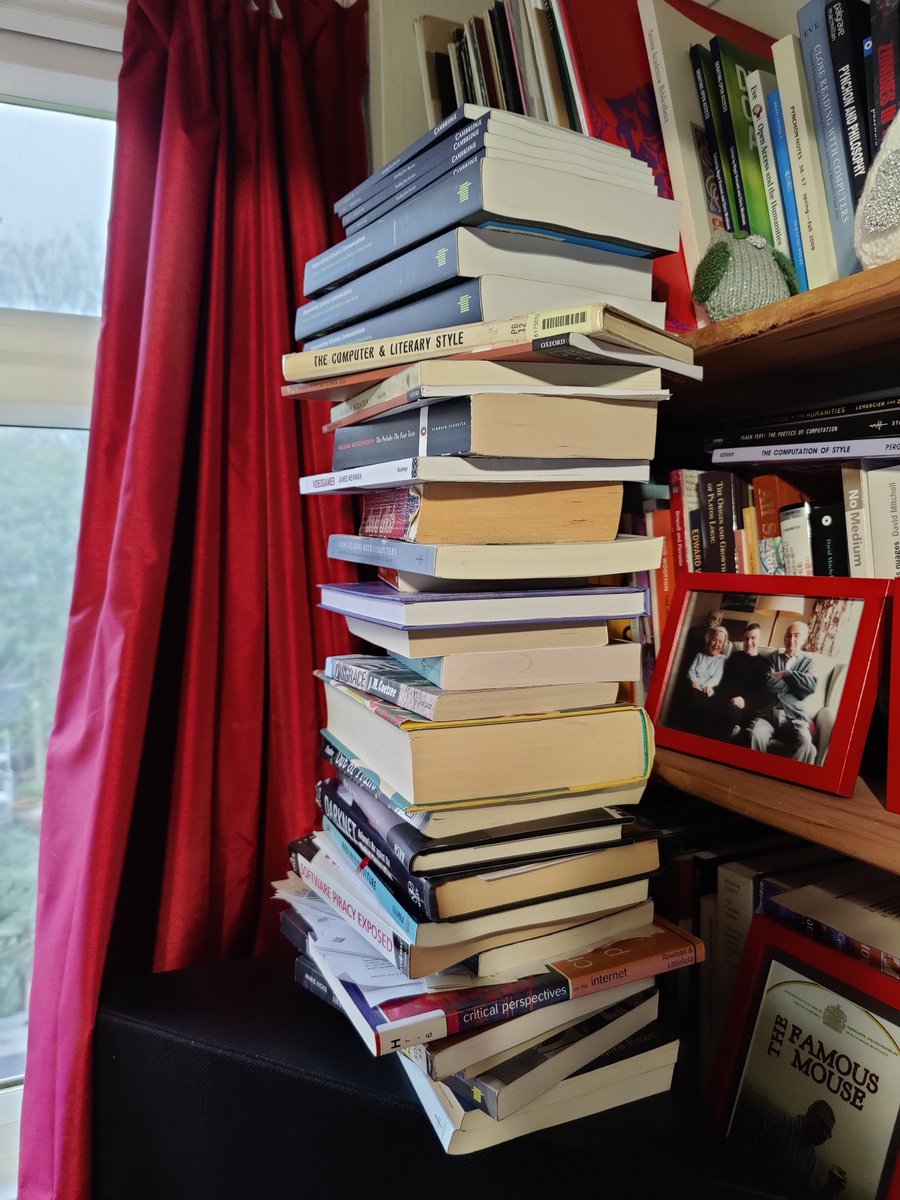
The book shelf overspill pile is getting out of hand
Oh dear, said Paddington
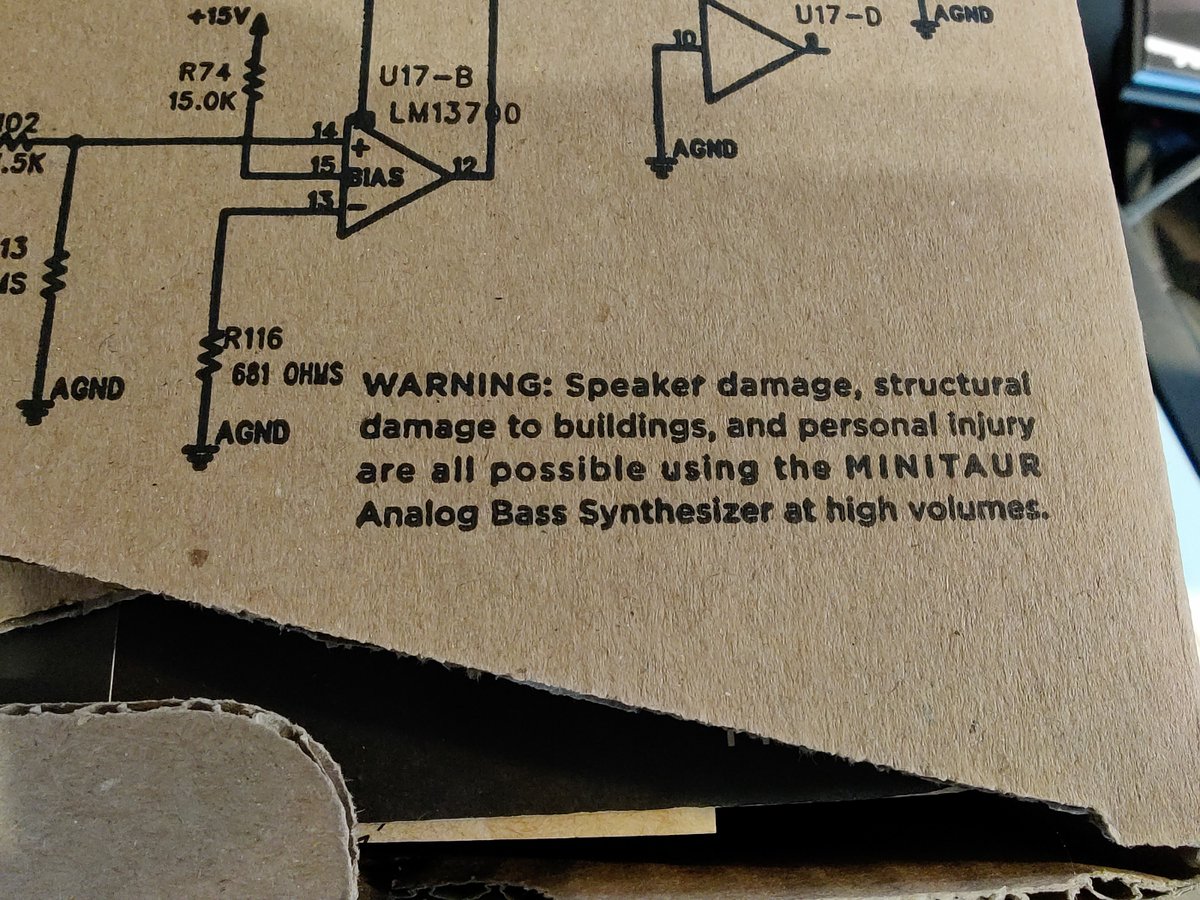
Close of a long week
One of the problems with online learning, at this time, is that it has become imaginatively fused with the misery of the pandemic. We're all - me included - desperate to get some human contact "in real life". We don't want this way of life to continue indefinitely.
But, if I'm honest, lots of my teaching has worked really well online. The seminars have been stimulating. More students seem to have done the prep. The dynamic is almost easier with the "raise hand" function.
I've been trying to think what a "new normal" could look like, in terms of my teaching, that isn't just a regression to "what we had before". I may be an outlier, but I'd really like to keep a lot of my online teaching.
What I *would* like is a set of social check-in points. Trips to the pub with MA students. Informal in-person contact throughout the term. Ways of making the digital learning side have a materio-social correlate.
That's what would really make it ideal for me. A digital frame with in-person sociality would, in my view, give a great experience to students, while capitalising on what has worked.
Oh ho ho. Coming very soon. New music from me on this very fine, very limited album. Details at the weekend.
Friday night is looking to be fun...
Saw a thing saying that Poirot was 100 and, for a single beat, thought, woah - there's no way David Suchet is that old.
Nothing to do with the vaccine, but I was off work unwell today due to autoimmune conditions. I had a strange, semi delirious dream while recovering from these, half asleep in bed, that I returned to a pub that I used to visit frequently - not a real pub, but a fusion of several.
In order to survive under the virus, it had been converted into a children's themed "pirate adventure" pub. All of the bar staff were dressed as pirates.
This made it incredibly difficult to get a pint because, at the drop of a hat, the staff would all career off to act out a pirate battle, with dramatic "on-deck" lightning effects.
When I eventually did get their attention, I asked if the Harveys Best Bitter was on, which I could see tucked away in the corner. They replied that it was, but that I couldn't have it "because they weren't serving it".
Tbh, happy with either kind https://x.com/pedromics/status/1357347304190058501
I do like the phrase "recombinant, replication-deficient chimpanzee adenovirus vector encoding the SARS CoV-2 Spike glycoprotein".
'Framing deaf people, a minority group, as “victims” and contrasting them to “ordinary people” is unbelievably insulting.'
'We question the peer review process that enabled such publication.'
Springer Nature to retract chapter on sign language
https://retractionwatch.com/2021/02/01/springer-nature-to-retract-chapter-on-sign-language-critics-call-unbelievably-insulting/
Interestingly hybrid positions. Lecturers in Computer Sciences... in the... School of Arts at Roehampton https://www.jobs.ac.uk/job/CDZ137/lecturer-in-computer-science-up-to-2-12-month-fixed-term-posts
Yay!
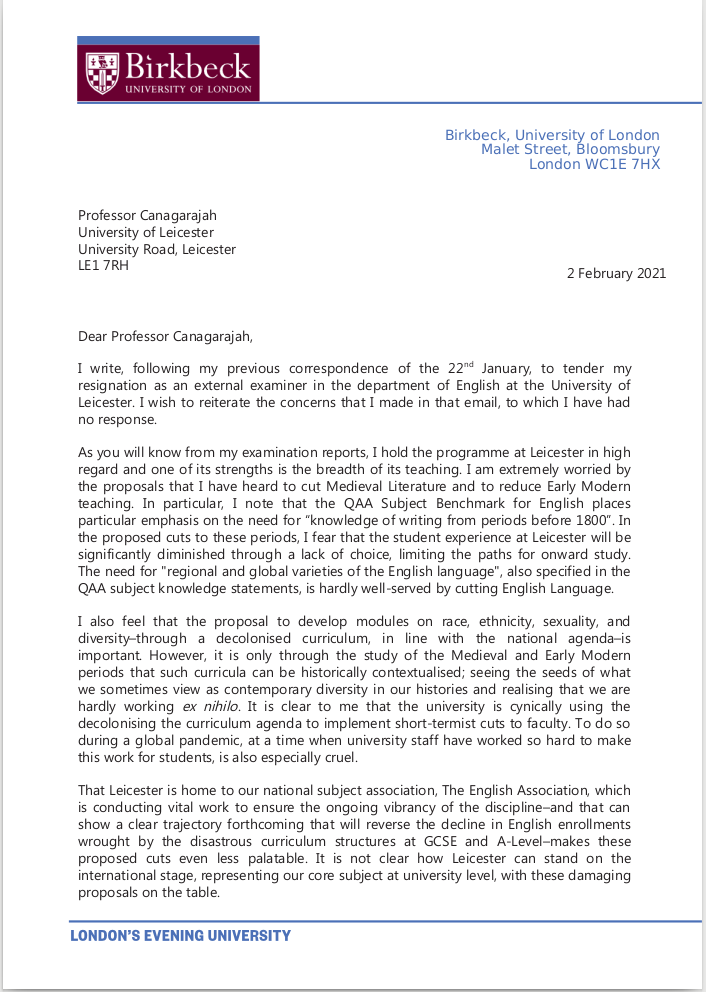
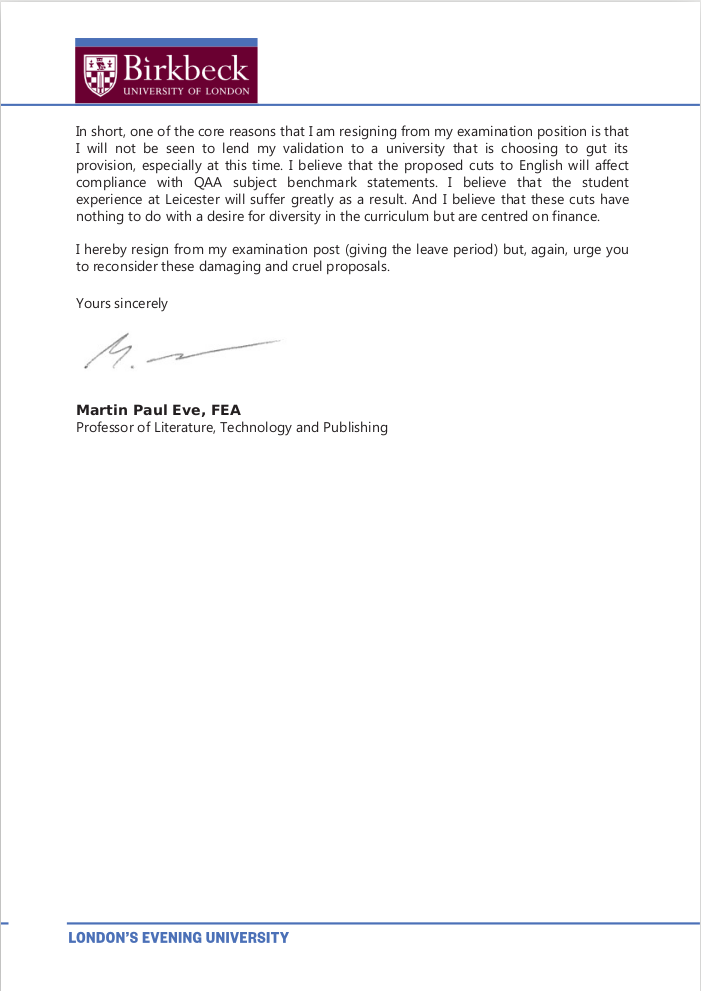
I have just tendered my resignation as an external examiner in the English department at the University of Leicester in response to the planned cuts to the programme and proposed redundancies. https://eve.gd/2021/02/03/my-resignation-as-an-external-examiner-at-the-university-of-leicester-in-the-wake-of-proposed-cuts-to-english/
@DrJoGrady @leicesterucu
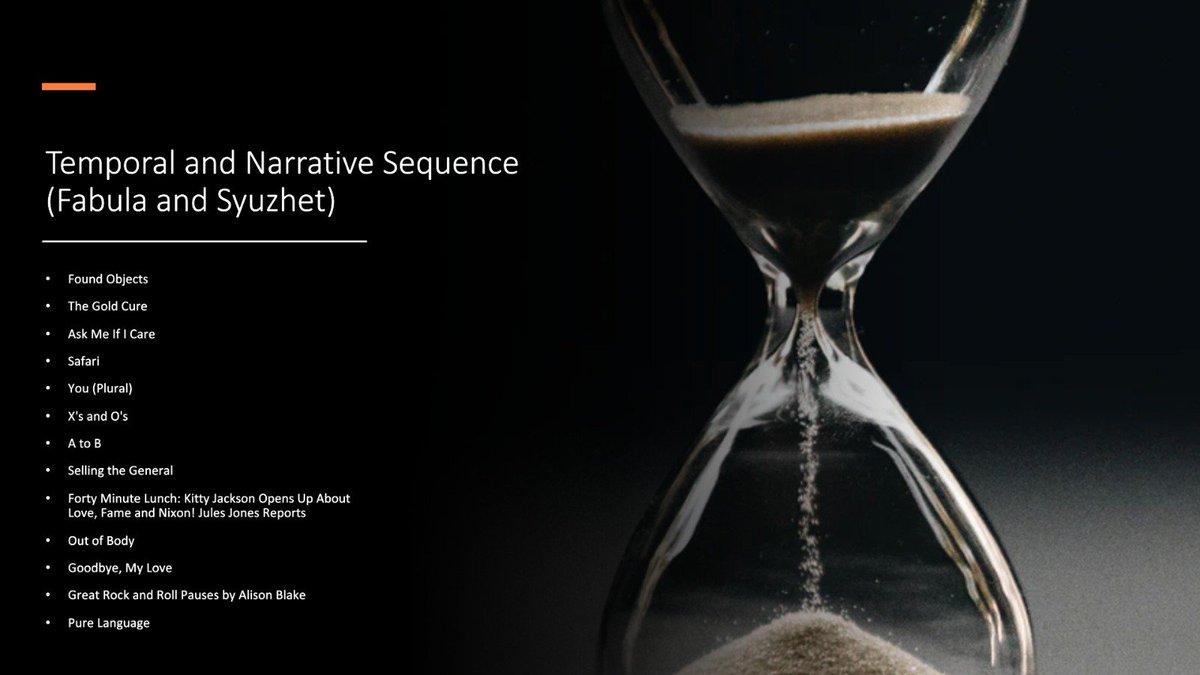
Looking forward to my Goon Squad seminar!
OA book metadata. Prioritizing Metadata Output Formats for Thoth https://copim.pubpub.org/pub/prioritizing-metadata-output-formats-thoth/release/2
On The Turing Completeness of PowerPoint (SIGBOVIK) https://www.youtube.com/watch?v=uNjxe8ShM-8
We also found a bug with years in Janeway OAI. Out by a little bit. 100 years in fact. Oops. We'll be hotfixing that today.
Anyway, so far this AM I have submitted a journal article, handled nearly all of my emails, and am about to begin teaching prep. This is more like it!
Misleading: "Young shielders: Covid vaccine is a ticket back to normal". For many immunosuppressed/compromised people the vaccine is reassuring, but until there is population-wide immunity, this group remains at serious risk as cannot produce antibodies. https://www.bbc.co.uk/news/newsbeat-55893676
This is indicative of a twofold misunderstanding: 1. among the general population, that this group will be individually safe once vaccinated; but 2. among the immunosuppressed. I've seen firsthand how rheum departments and gasto (say) use powerful new biological therapies...
without properly warning the patients of just how compromised they are. As I've said before: I've been on biological suppressants for years and was constantly ill. I was told I should "just take a bit more care". When immunology finally saw me, they fell off their chairs.
I had panhypogammaglobulinemia -- secondary immune deficiency -- and was immediately put on immunoglobulin infusions for the rest of my life to replace my damage immune system. Nobody prescribing the drugs had ever warned me of this.
Lots of people find this out for themselves the hard way, but many people prescribed these meds will think, like this article, that the vaccine will mean they are fine, when they will remain at serious risk. I find it very frustrating.
Even my close family, who know of my immune problems, have said to me: "it will be great once you've had the vaccine next week! You will be safe!"
Me: immunology say otherwise.
Some of those most at risk are still not on the Covid vaccine priority list https://www.theguardian.com/commentisfree/2021/feb/03/some-of-those-most-at-risk-are-still-not-on-the-covid-vaccine-priority-list
Yesterday: agony. Utterly wrecked. Could barely move in the AM.
This morning: totally fine. Pinged out of bed. Straight onto research writing.
RA is such a weird disease. https://x.com/martin_eve/status/1356569076437573632
Yeah. No shit.
Elite universities reducing entry requirements is a ploy to boost finances in a pandemic, say critics
https://inews.co.uk/news/education/elite-universities-reducing-entry-requirements-boost-finances-pandemic-851329
The Reading Peer Review book was another great exercise in joint collaborative authorship - with 7 of us - something that doesn't happen so often in the humanities. We first tried this as a group in 2016 for this article https://www.nature.com/articles/palcomms2016105
In that paper, we really wrote the whole thing together - typing over the top of one another with impunity. I even remember working on it while in hospital having had a stroke (!)
I'd say this latest effort was perhaps less communally written than our last, due to data-handling sensitivities. The editing process was definitely a thoroughly joint effort though, with everyone contributing to the actual prose as well as the analysis.
Family time
This week's exciting music release on tici taci will be available this Friday on Bandcamp. Duncan Gray - Imperfect Silence https://soundcloud.com/ticitaci/ttbc019-duncan-gray-imperfect-silence-clip
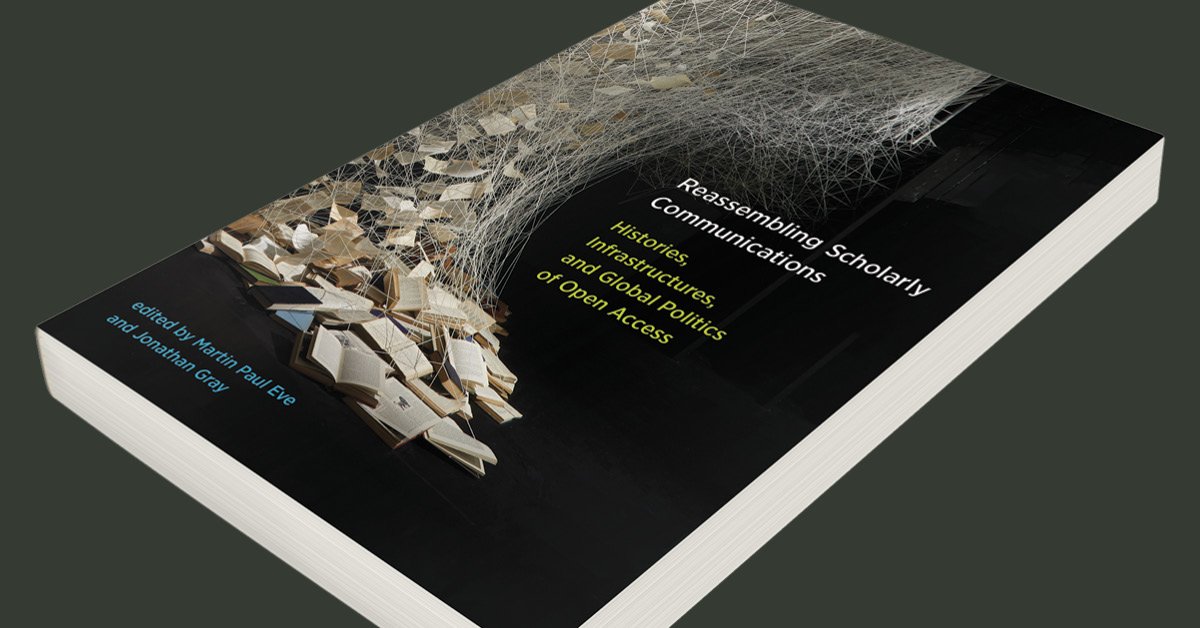
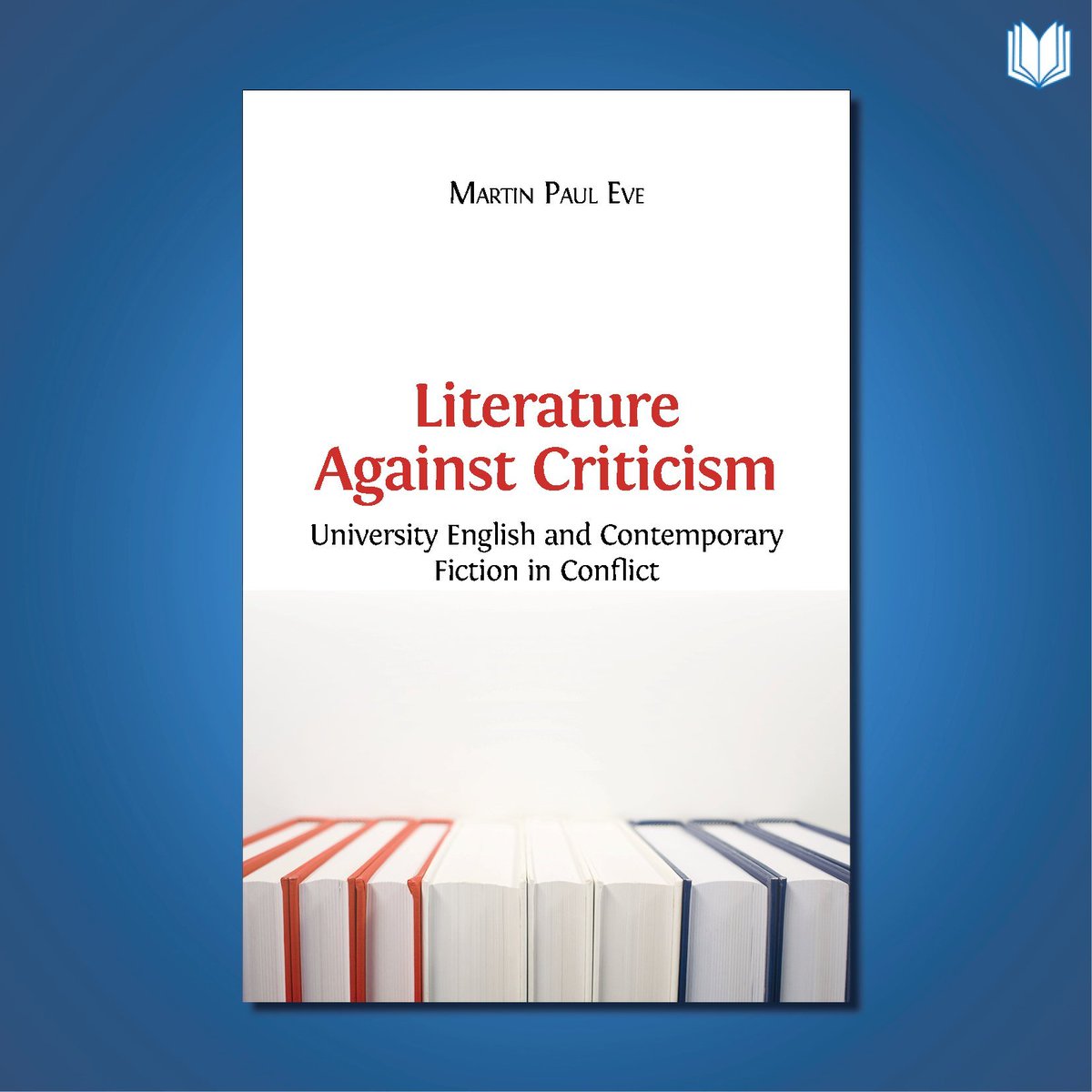
My two books that are not currently OA should be going so this year at some point. I will add them to the download list as soon as I can :)
My recent books (OA direct PDF downloads of version of record):
Reading Peer Review (Cambridge): https://eprints.bbk.ac.uk/id/document/233611
Reassembling Scholarly Communications (MIT Press): https://eprints.bbk.ac.uk/id/document/214156
Close Reading with Computers (Stanford): https://eprints.bbk.ac.uk/id/document/158876
Literature Against Criticism (Open Book Pub): https://eprints.bbk.ac.uk/id/document/29014
Open Access and the Humanities (Cambridge): https://eprints.bbk.ac.uk/id/document/16741
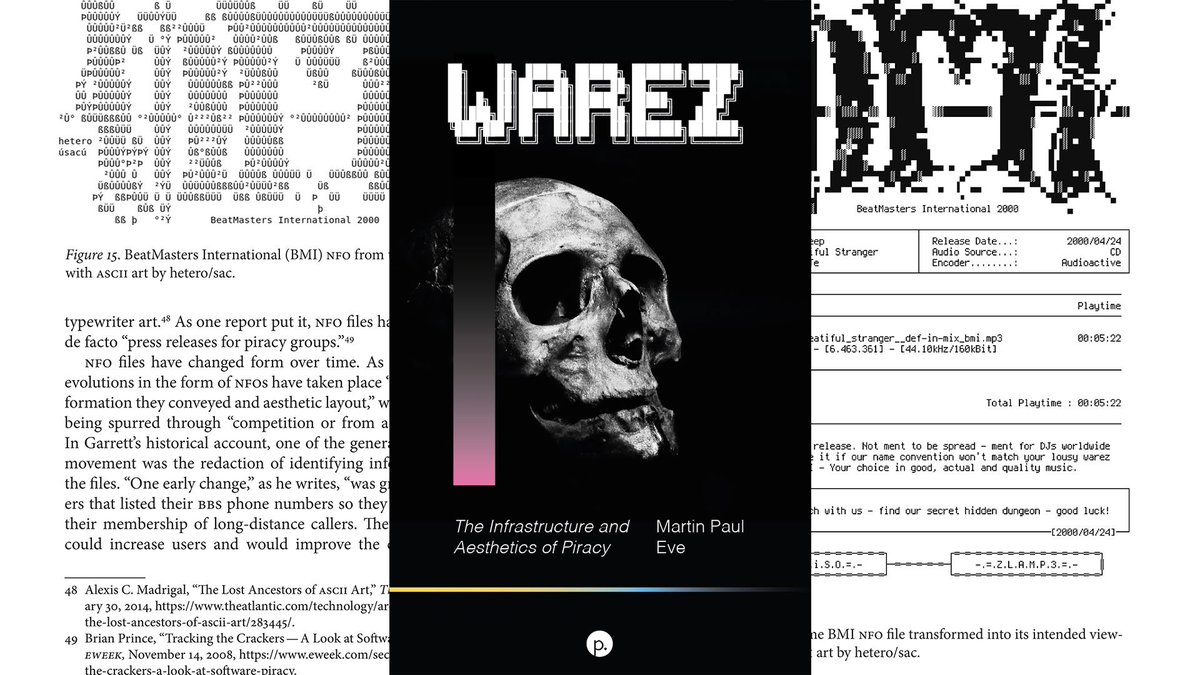
Warez (punctum): https://eprints.bbk.ac.uk/id/eprint/30956/1/Eve%20-%20Warez.pdf
The Digital Humanities and Literary Studies (OUP): https://eprints.bbk.ac.uk/id/eprint/26645/1/9780198850489.pdf
Theses on the Metaphors of Digital-Textual History (Stanford): https://eprints.bbk.ac.uk/id/eprint/31744/1/Eve%20-%202024%20-%20Theses%20on%20the%20Metaphors%20of%20Digital-Textual%20History.pdf
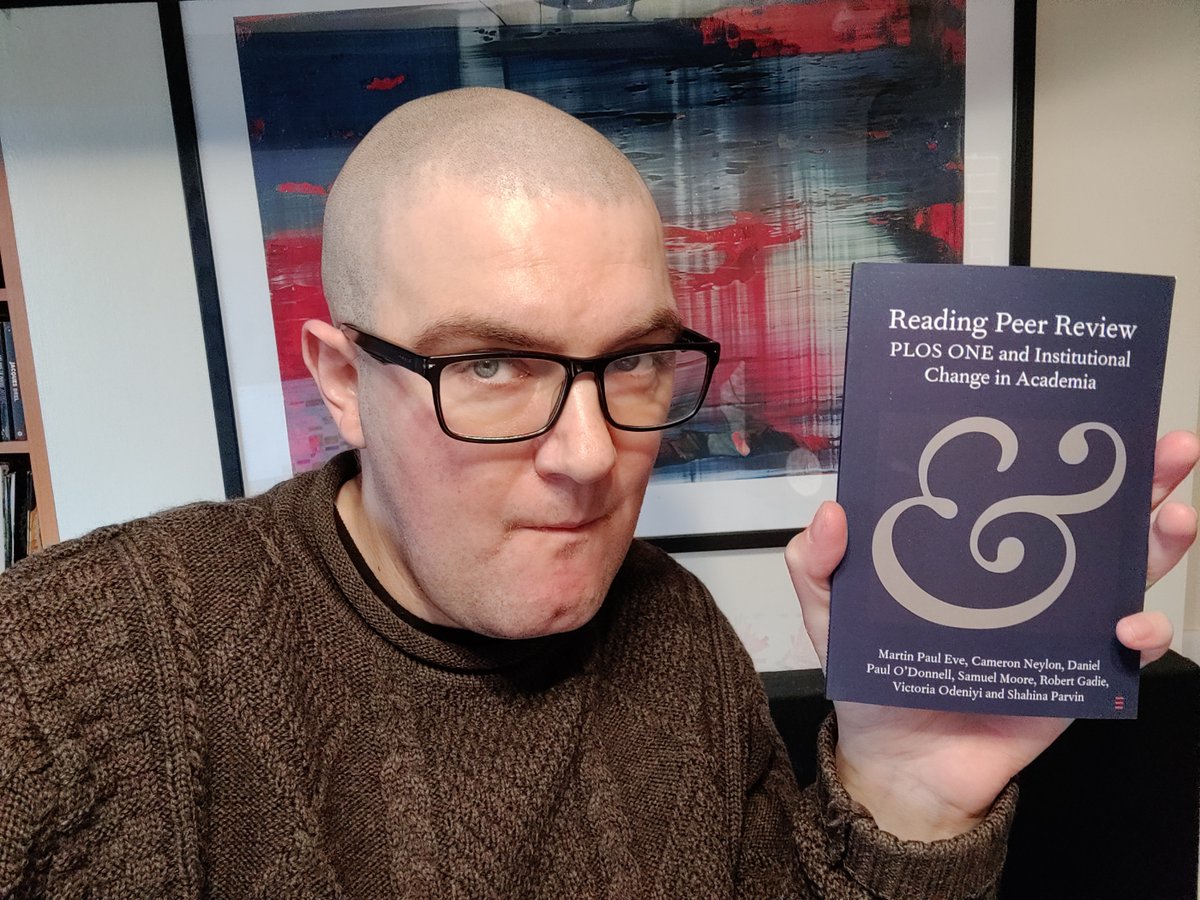
My new book with Cambridge University Press has arrived in print! It took us about 4 years to do the research for this relatively short work. Excellent to hold it at the end. But, of course, it's also open access and free to read and reuse, here: https://www.cambridge.org/core/elements/reading-peer-review/42F027E4C67D246DD8C3AC440A68C7A
@samoore_ @CameronNeylon @DanielPaulOD @VictoriaOdeniyi
This totally explains the reply-all threads to which I am subscribed https://x.com/euronewsgreen/status/1356268135129751557
Urgh. Awoke with terrible rheumatoid arthritis flare today. Neck, spine, shoulders, hands, ankles, and feet hot and painful. Flu-like fever sensations (because my immune system has decided it should mount a response against my joints). Dosed it with steroids and mega painkillers.
Just realised that Star Trek: The Next Generation episode Reunification, Part II, from 1991, features a deepfake hologram of Spock.
Toby, again
Toby
My 99-year old Nan is getting the vaccine tomorrow!
This week's MA teaching is _A Visit from the Goon Squad_, a text with which I am very familiar, having written on Jennifer Egan several times. Still, like David Mitchell's _Utopia Avenue_, the scenes of music industry party debauchery re-read curiously in pandemic times.
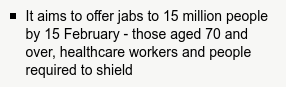
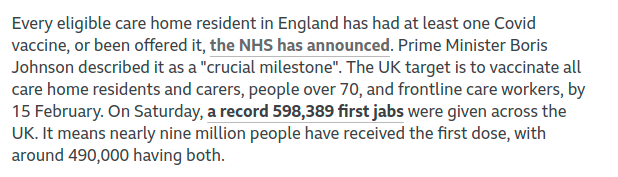
Hmmdey, hmm, another BBC article that conveniently misses out the vulnerable/disabled from its list. https://www.bbc.co.uk/news/uk-55890224
Perhaps it was just a one off. Oh, nope. https://www.bbc.co.uk/news/uk-55881741
They do sometimes get it right. https://www.bbc.co.uk/news/live/uk-55884275 and https://www.bbc.co.uk/news/health-55553072. But the recent trend is to mention every group except the clinically vulnerable.
A couple more that mention ages only, nothing on the vulnerable: https://www.bbc.co.uk/news/uk-northern-ireland-55817436 and https://www.bbc.co.uk/news/uk-wales-55750297
Here? Nope. https://www.bbc.co.uk/news/uk-55883729
I'm not suggesting this is deliberate. It's just that, having surveyed the articles on this, the extremely clinically vulnerable are the only group ever omitted from the list. And it happens regularly.


COPIM releases free code for Open Access project sign up system https://copim.pubpub.org/pub/sign-up-system-on-github/release/1
Time tracking last week: I taught 4 "contact" hours - 3hrs of seminars and 2x 30 min video lectures. This required me to read 2x longish novels that I did not know, read secondary lit, make slides, do captions etc. 18.5hrs behind the scenes prep.
One reason for this is that I picked this teaching up as cover, so had to put it together urgently, all in the space of a week.
"Contact hours" metrics are really misleading. Admittedly, this week required a lot more teaching prep compared to material that I would have set myself, as I was taking someone else's class, but nonetheless...