
April 2023
"concern"
'Goodwin said it was an additional concern that just 12% of 18- to 34-year-olds view the monarchy as “very important”'
https://www.theguardian.com/uk-news/2023/apr/28/public-support-monarchy-historic-low-poll-reveals?CMP=Share_AndroidApp_Other
This will next be used to scam people out of money via phone calls that seem to come from people you know https://x.com/heyBarsee/status/1652625721309765632
A note on pain management. The spondyloarthritic form that my rheumatoid arthritis is currently taking -- attacking the neck and back/compressing the spine -- causes such bad pain that it makes me actually be sick. The problem is: opioid painkillers also make you feel very sick.
Most people assume that if they get to the stage where the pain is this bad, they'll just shout: "give me the morphine!!" and all will be well. I'm afraid it's not really so. Particularly if the condition isn't imminently terminal.
While awake (with arthritic pain) overnight, I was thinking through how to write the XML/JSON patcher system. Woke up today and wrote this function and tests to "match" a JSON block to an XML element. Sunday funday.
https://gitlab.com/crossref/labs/lambda-api-proxy/-/blob/main/crapiproxy/src/plugins/deposit.py
https://gitlab.com/crossref/labs/lambda-api-proxy/-/blob/main/crapiproxy/tests/test_deposit.py
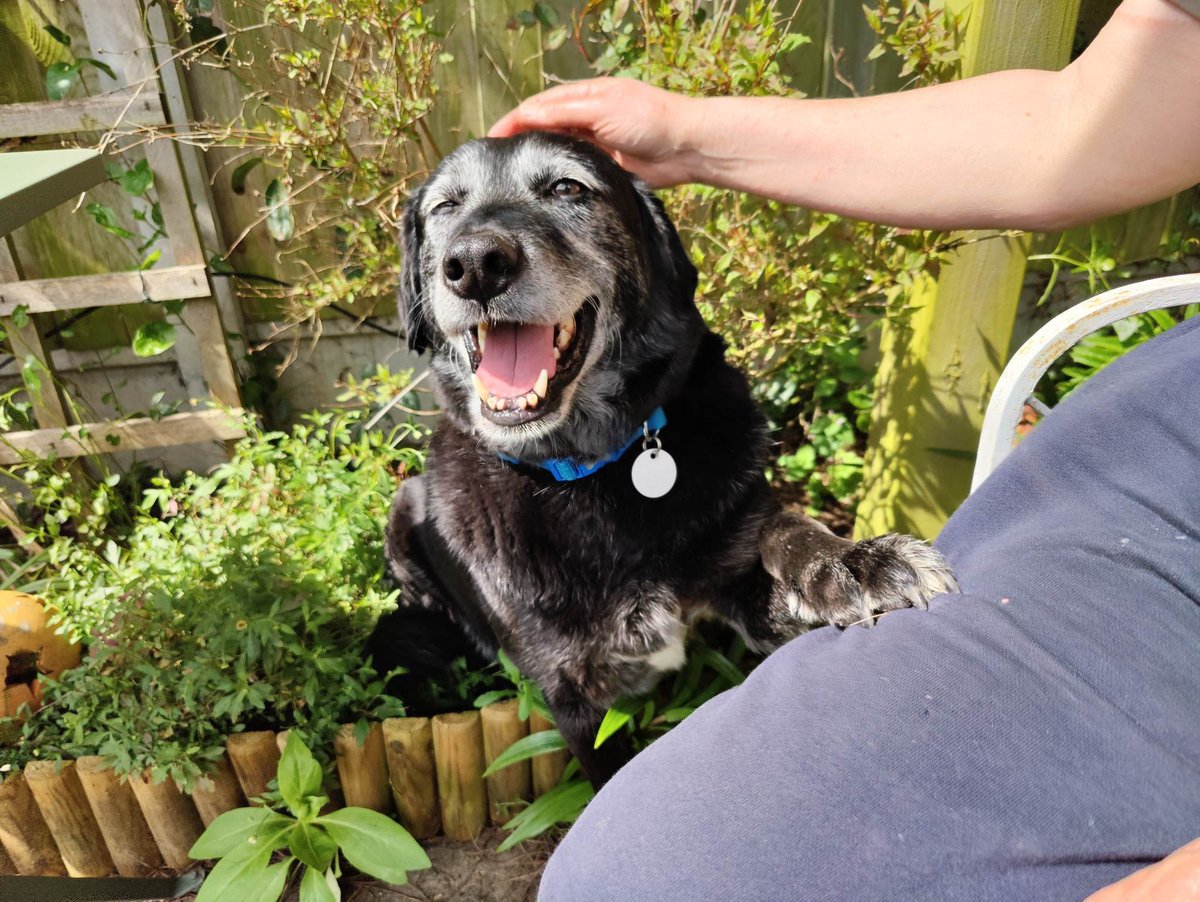
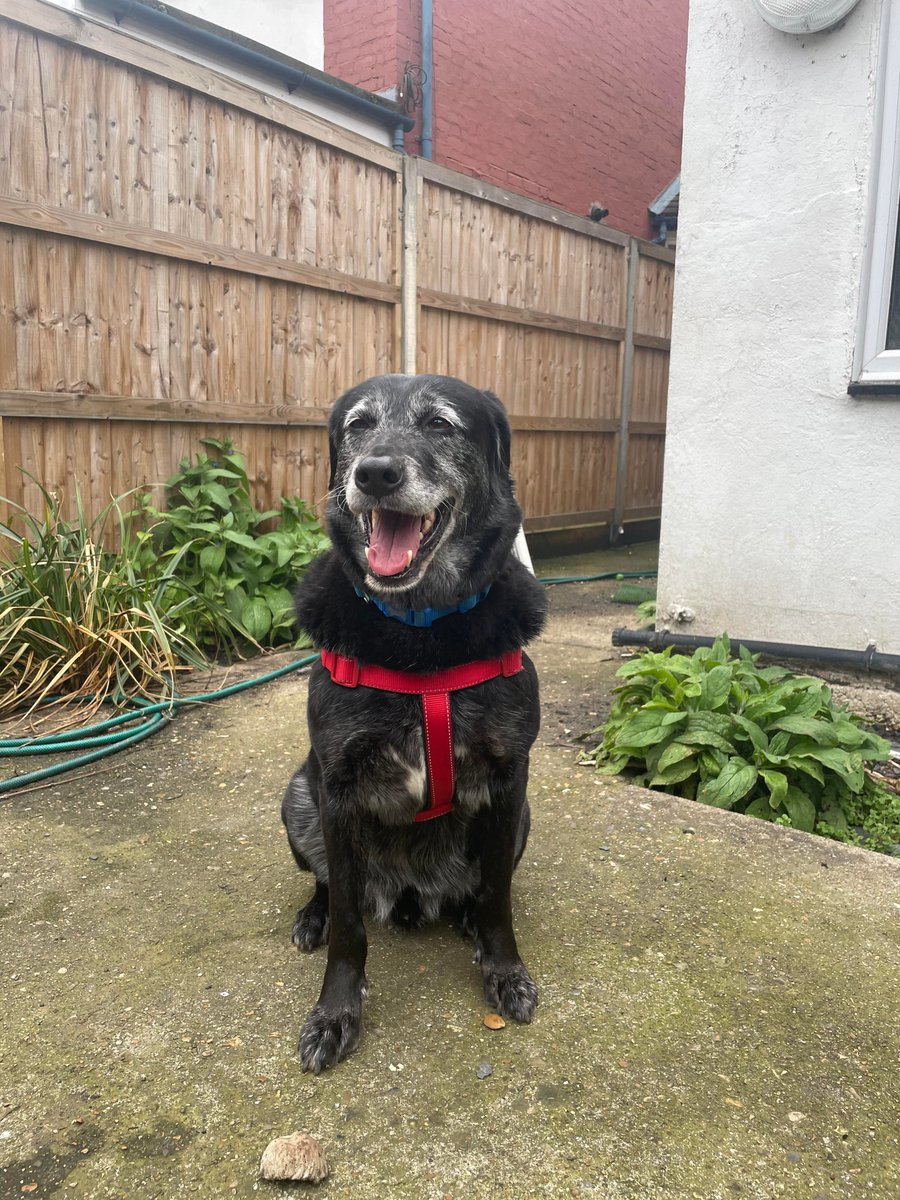
A certain little fella let me stroke him today for the first time -- getting settled in!
The recent crowd control disaster was really bad and I feel so sorry for those grieving. But the Brixton Academy is such a great venue; tiered flooring and excellent sound. It would be terrible to lose it. I had many great nights here. They just need new safety procedures. https://x.com/stuartreplicant/status/1652010198670753794
Right. Time to tidy the filth pit that is my office. Got this belter of a mix to power me through it. Strong opener with The Weak Nuclear Force... https://soundcloud.com/james-payne-849040223/the-fallout?ref=clipboard&p=a&c=1&si=d75575ce053747aeac1d7dab19bad40e&utm_source=clipboard&utm_medium=text&utm_campaign=social_sharing&fbclid=IwAR0fRTRQ3wQpdERUE7ipH6rT-ErNXeptvOTBpDQ88B10ob7NXLrdffFnUrA
This is so going to come back to bite us when the cute little bullied soccer robots get guns. https://x.com/hardmaru/status/1652322604613779465
In the wake of the Wiley furore, I'll just note that we designed the @openlibhums consortial funding model precisely to protect against pressuring journals to publish more in the OA era. Every article published *costs us* from the budget. So it has to be worth it.
This is somewhat anti some of the prevailing trends in terms of post publication peer review etc. in theoretical ScholComms contexts. But it keeps a cap on cost and doesn't coerce editors.
It's a bit of rock. Of course it "dates back thousands of years".
https://news.sky.com/story/stone-of-destiny-arrives-in-london-for-kings-coronation-12869632
Hard to express how much I hate this crap.
We've got a barely functioning health service, education is crumbling, emergency services can't get to you on time, and we've been told we have to "accept" being poorer.
https://www.theguardian.com/uk-news/2023/apr/29/public-invited-to-swear-their-allegiance-as-king-is-crowned?CMP=Share_AndroidApp_Other
But yeah. Pledge your "loyalty" to a man with a personal wealth of £1.9bn who has his position in society due to the violence of his ancestors. And let's spend £100m on a ridiculous game of adults dressing up and parading around for a weekend while we're at it.
FFS.
"adults with conditions associated reduced vaccine response did not show the same reductions in mortality rates as those without"
Reduction in COVID-19-related mortality over time but disparities across population subgroups - The Lancet Public Health
https://www.thelancet.com/journals/lanpub/article/PIIS2468-2667(23)00078-6/fulltext?dgcid=raven_jbs_etoc_email
Put otherwise: well, we managed to protect quite a lot of people from death. Bad luck the rest - we've stopped worrying now!
"The broader community should also protect people who are at high risk of severe outcomes, such as through testing and avoiding public places when unwell."
But they won't. "lol"
An interview with me, in Spanish, about passwords...
La tiranía de la palabra mágica
https://www.clarin.com/revista-enie/ideas/tirania-palabra-magica_0_2BmYRljkH1.html
Wiley Removes Goodin as Editor of the Journal of Political Philosophy
https://dailynous.com/2023/04/27/wiley-removes-goodin-as-editor-of-the-journal-of-political-philosophy/
"If our public life over the past twenty years had actually reflected these we'd be in a far better place" https://x.com/hughjconsulting/status/1651880164496756738
I also had a literary studies article totally finally accepted today. Impossible Chess, Close Reading, and Inattention as Disability in Percival Everett’s Telephone. Out later this year, in @OrbitJournal. https://eprints.bbk.ac.uk/id/eprint/50134/
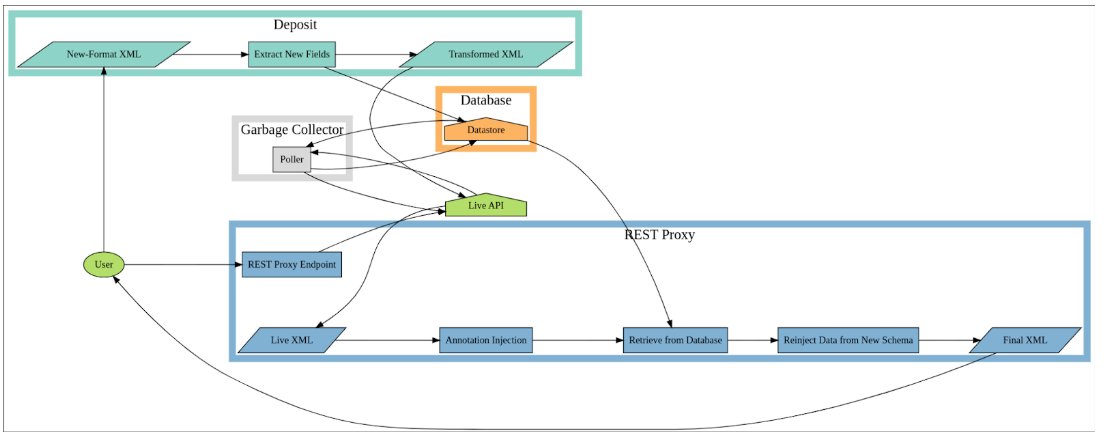
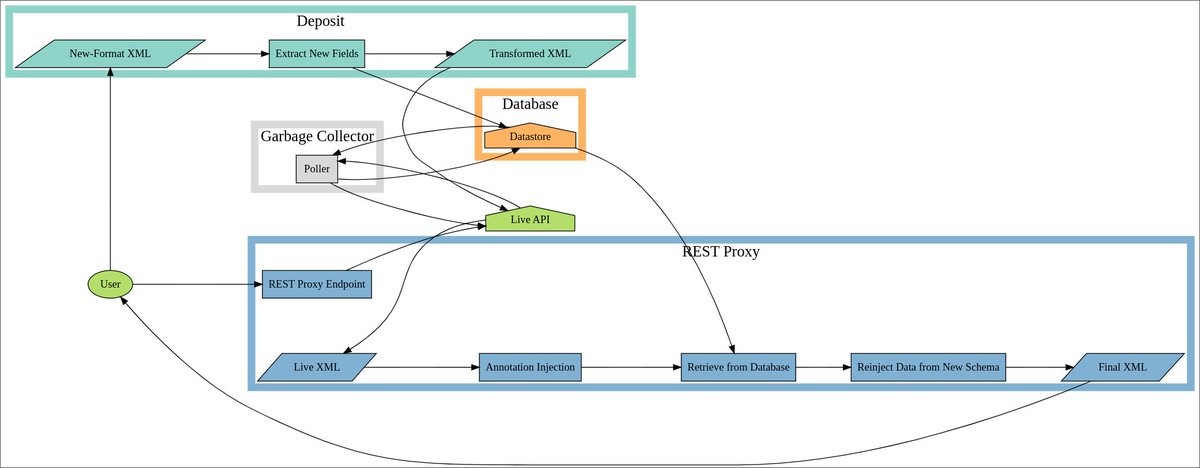
Today I wrote the core patch code that will allow us to hook metadata fields back into the outgoing API response at Crossref. XML input -> store variables -> transform XML to current schema compliance -> patch returning JSON.
This last step is slightly trickier than I'd like, because we have to match elements to one another from XML to JSON. There's the possibility that you have multiple identical contributor_name blocks for example.
Anyway, I *think* I am now storing sufficient context to make this work.
Something you may not know if you don't need regularly to interact with NHS hospitals: the admin systems are designed to ration care and to make everything very difficult. Today's anecdotal experience might be instructive...
I have an email from my (very kind and good) clinician who said that she would urgently arrange an appointment for me in May. Due to strikes and annual leave, she hadn't done this. OK, no problem, I don't blame her.
I now have an appointment. But, wow, 2 hours.
But most people are not that lucky. And most seriously unwell people do not have the *energy* or capacity to spend 2 hours arguing with hospital admin, being passed from counter to counter. And this is kindof how it works: they assume that you will give up.
But, even with this documentation, it took *2 hours* of communication with the hospital, on hold, phoning, being transferred to get this done. Now, I am _very_ fortunate. I employ an assistant to help me with this stuff and she was the one who spent 2 hours on the phone.
Now, you might say: this is not malice, just incompetence (Hanlon's razer). I'm really not so sure. It would be so easy to make this better/easier. And they also say things like "I'm afraid the patient has to call himself" to someone who is authorised to act on my behalf.
There is, apparently, a much smaller, nicer dialysis unit near where I live.
I was enthusiastically told that the denizens thereof play bingo.
*runs screaming from the building*
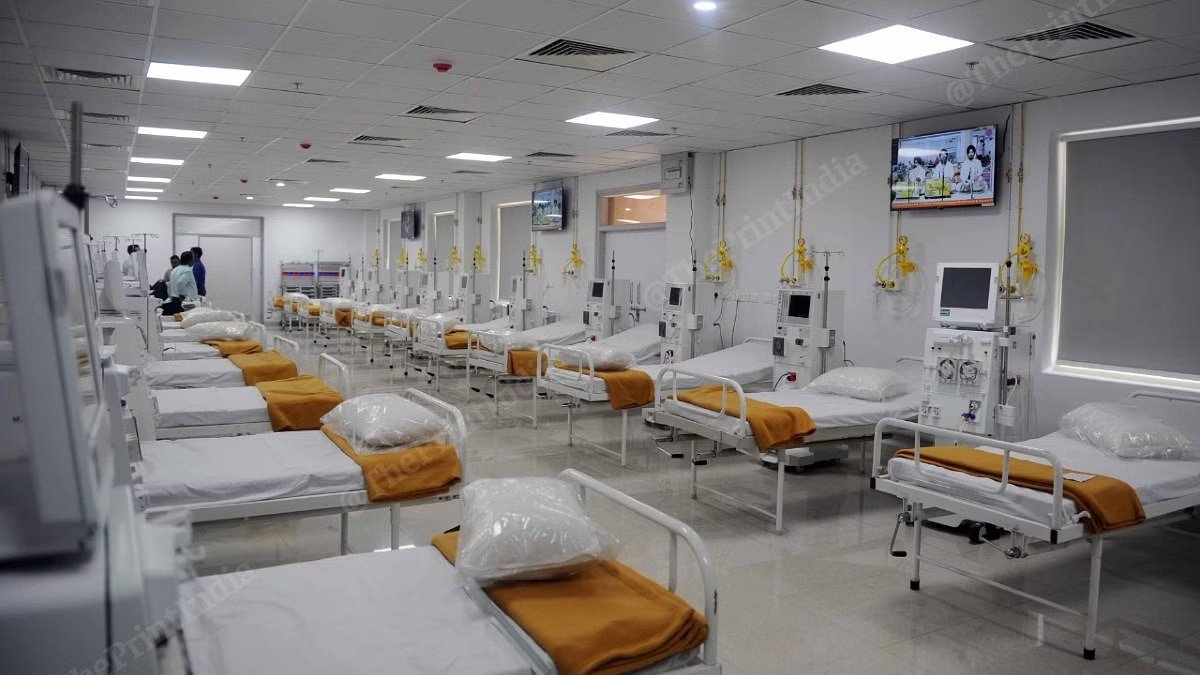
This sounds ungrateful, but I found the dialysis ward "tour" a little bleak. Something about the scale of the place had a feel of industrial grimness, with rows and rows of patients. Don't get me wrong: I'm so thankful I will get treatment. But it wasn't a cheerful place!
This is not the actual unit -- which was full of people -- but is an indicative picture of such a ward
'Very serious': Sweden accidentally fires rocket into Norway
https://news.sky.com/story/research-rocket-fired-from-sweden-lands-in-norway-which-takes-unauthorised-activity-very-seriously-12866323
Time for something more enjoyable...

OK, so we've done the bad news. What's the good part you mentioned?

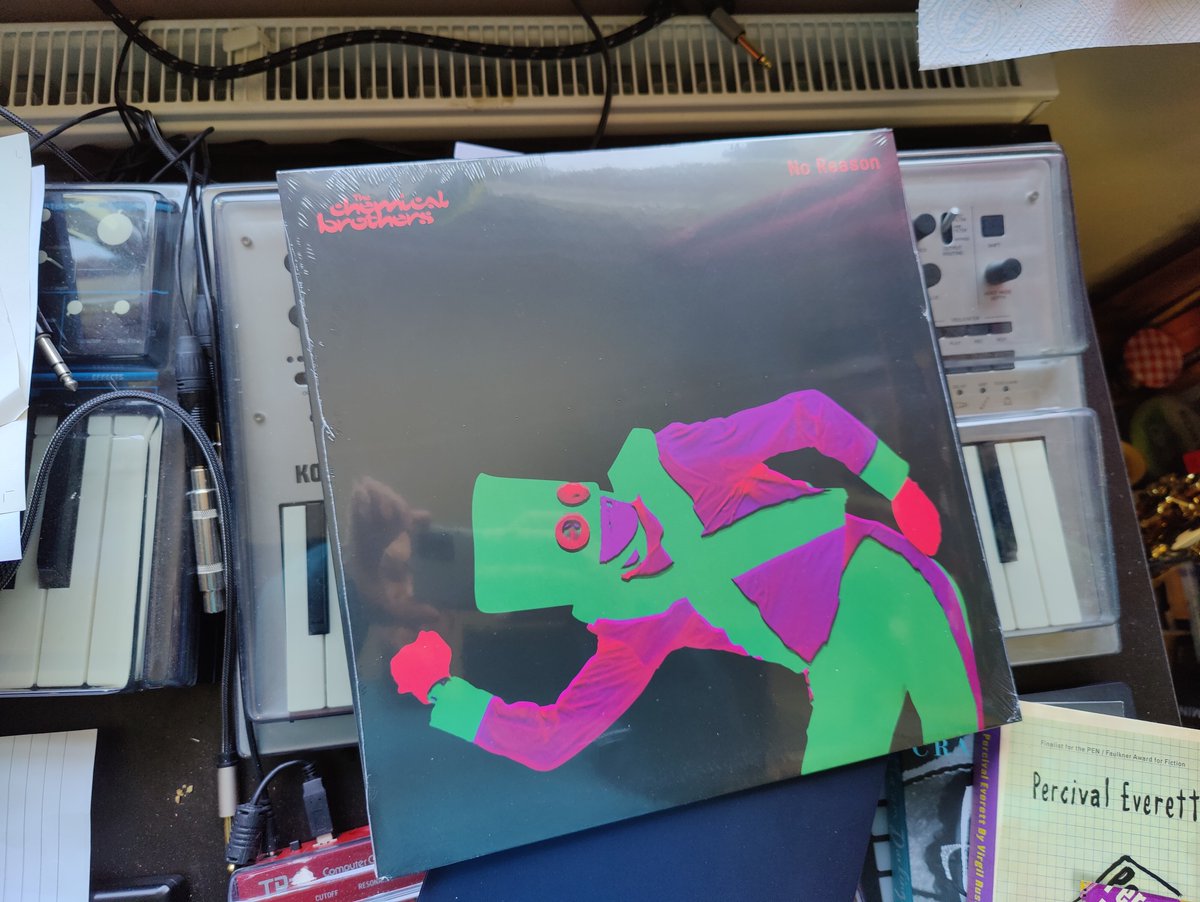
Buying new records to cheer myself up is proving an expensive hobby
Libraries and Scholarly Publishers: Working together to protect the scholarly record.
Pleased to say that I will be speaking at this event, covering the study I've conducted of the digital preservation of 7 million scholarly articles.
https://alpsp.cventevents.com/event/8a600474-f572-42a1-bea7-2cfe591884ca/summary

longsight 1.0.7 just released.
It gives a new helper method: instrumentation.add_counter("counter_name") to quickly add counter metrics to Cloudwatch.
You can also, optionally, give it status_code and a list[dict] of other dimensions if required.

Today, I have my pre-dialysis clinic where I will have the whole process explained, get a "tour" of the dialysis unit, and get to ask any questions. #great #fun
I always think that the surname "Loving", while the subject of so many bad puns, nonetheless has a great poignancy in this context. https://x.com/KeneAkers/status/1650905126587056145
Today, I've been preparing for the release of the Crossref annual public data file, with everything we do openly available.

A good call with immunology.
Previously, I could not have the anti-viral "cidofovir" to clear BK virus, because my kidney function was not good enough. There is a possibility that I could have this when on dialysis, to clear the virus and save residual kidney function.
Fears of immunosuppressed deaths as Voter ID plans enforced for local elections
And that last statement from the Electoral Commission is a joke! Their specific remit is to issue guidance to returning officers for how to run the election... Sigh!
https://www.express.co.uk/news/uk/1762526/immunosuppressed-voter-id-local-elections-vote-death
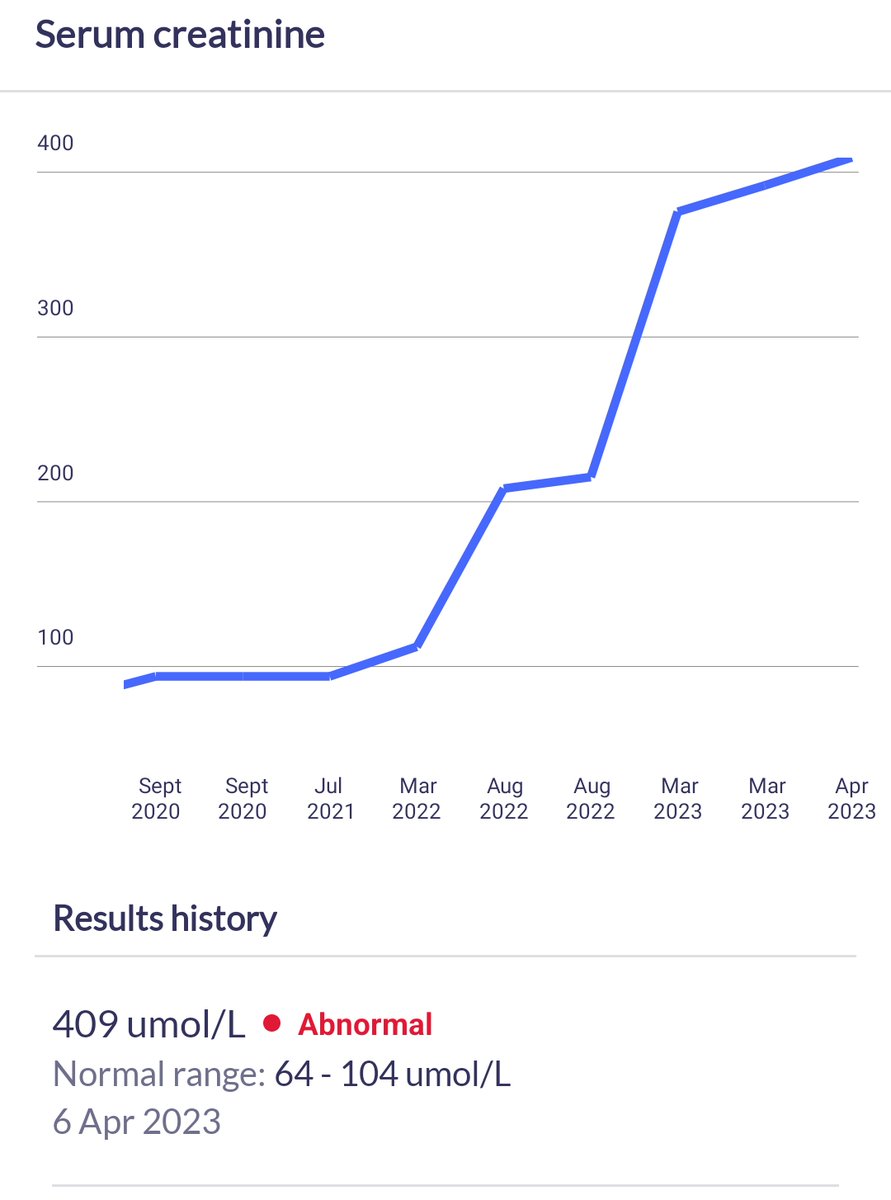
Well, I was having quite a good day. Then I got kidney blood test results from this AM. This never becomes less upsetting.
This afternoon's soundtrack has been poppier than usual. But Heather Small's "Radio On" really is a great song. https://www.youtube.com/watch?v=rgk4AQeP3Ko
Today I added support for a reports endpoint that shows aggregated statistics across the member base. Others in the Labs team can add their data to this as they become available. We currently have experimental preservation data in there https://api.labs.crossref.org/reports/
Today's work has been more on the Crossref Labs API, which you can visit at https://api.labs.crossref.org/.
We also have the beginnings of a simulated deposit proxy that works with the Live API. More on this soon... I'll also add more documentation in coming days for what we can do so far.

The man saying this is paid, I believe, 5x the national average salary - and that's just his BoE role. https://x.com/pressfuturist/status/1650878410548207620
"citation-like references supplementing information-like sentences" https://x.com/eomalea/status/1650527418577309699
As @ernestopriego pointed out to me: it's people with elite university educations questioning whether future generations should get the same privilege in newspaper columns they have because of their elite university education. https://x.com/martin_eve/status/1650762122563821568
Simon Jenkins - a knighted Oxbridge alumnus - berates universities for being reactionary institutions. Wants to eradicate research in HE. Don't know how he thinks lecturers know what to teach without it.
https://www.theguardian.com/commentisfree/2023/apr/24/young-people-british-student-universities-exams?CMP=Share_AndroidApp_Other
So many flaws in the media reporting of this study. For one, the study made "no attempt to account for variation in adherence to the shielding guidance". For another, as Prof Pagel notes, they studied the period when _everyone_ was shielding. https://x.com/chrischirp/status/1650506475100418048
Further, OpenAI estimates that the cost of training a single large-dataset model will reach $500 million by 2030. This doesn't feel like a serious investment. https://x.com/HetanShah/status/1650479111251320835
Spitting feathers. In response to my complaint that their impact equality assessment is deficient, the Electoral Commission replied: "we didn't do it. You'll have to complain to <another government department>".
Err, no, that's not how this works!
Well, well, well. If it isn't the consequences of my own actions.

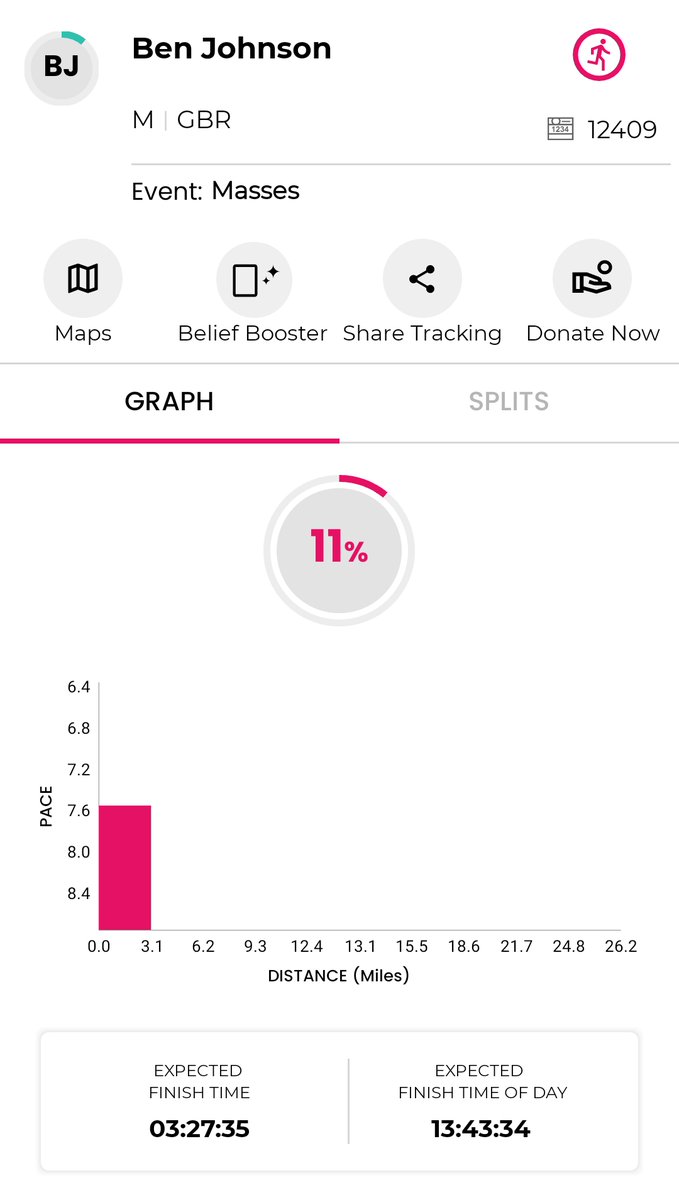
Thank you so much to everyone who donated to @ersatzben's marathon for @VersusArthritis! He completed the course in a very respectable 3 hrs 31 mins and I expect that he is in massive amounts of pain this morning 😂
https://www.justgiving.com/fundraising/Ben-Johnson53?utm_campaign=lc_frp_share_transaction_fundraiser_page_launched&utm_content=e8d46f54-e44d-4988-aa90-a6440d2ffc2c&utm_medium=email&utm_source=postoffice&utm_term=1667412479043
OK, so the UK just had a test of the national emergency system for phone alerts... But my question is: do they have a way of knowing who received it? And why would that monitoring system be more reliable than the actual delivery mechanism? Does this "test" improve the system?
Good to see that the UK nationwide fear inducement alarm works.
Just seen the Chinese edition of my book, Password 😁

Good luck to @ersatzben today, running the London Marathon in my name for @VersusArthritis - means so much to me. https://www.justgiving.com/fundraising/Ben-Johnson53?utm_campaign=lc_frp_share_transaction_fundraiser_page_launched&utm_content=e8d46f54-e44d-4988-aa90-a6440d2ffc2c&utm_medium=email&utm_source=postoffice&utm_term=1667412479043
And he's off! @ersatzben

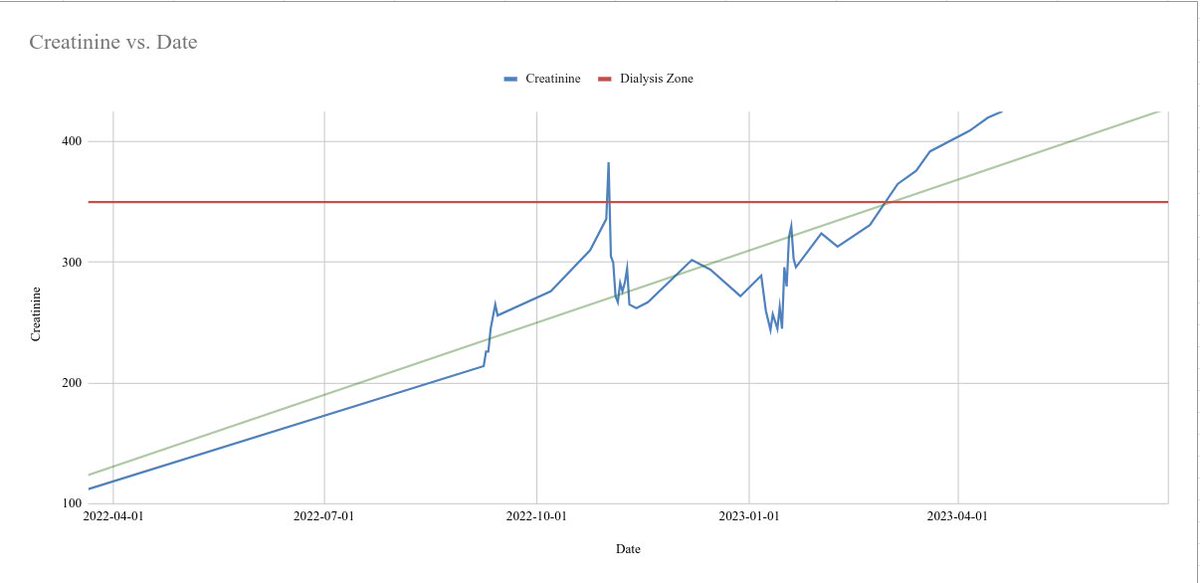
Well, my rate of precipitous kidney destruction has slowed, but I'm still losing an EGfR point - roughly 1% of kidney function - every 1.5 weeks. It's down to 14 so there isn't much left to lose. 😕
But why would they want us back? An insignificant petty island, governed by corrupt bullies, with the economic might of a flea. To assume we can simply "rejoin" after such appalling behaviour is just another form of British exceptionalism. https://x.com/guyverhofstadt/status/1649855037244571648
Laughing my head off at the image depiction of someone starting to learn python at age 40 in this article
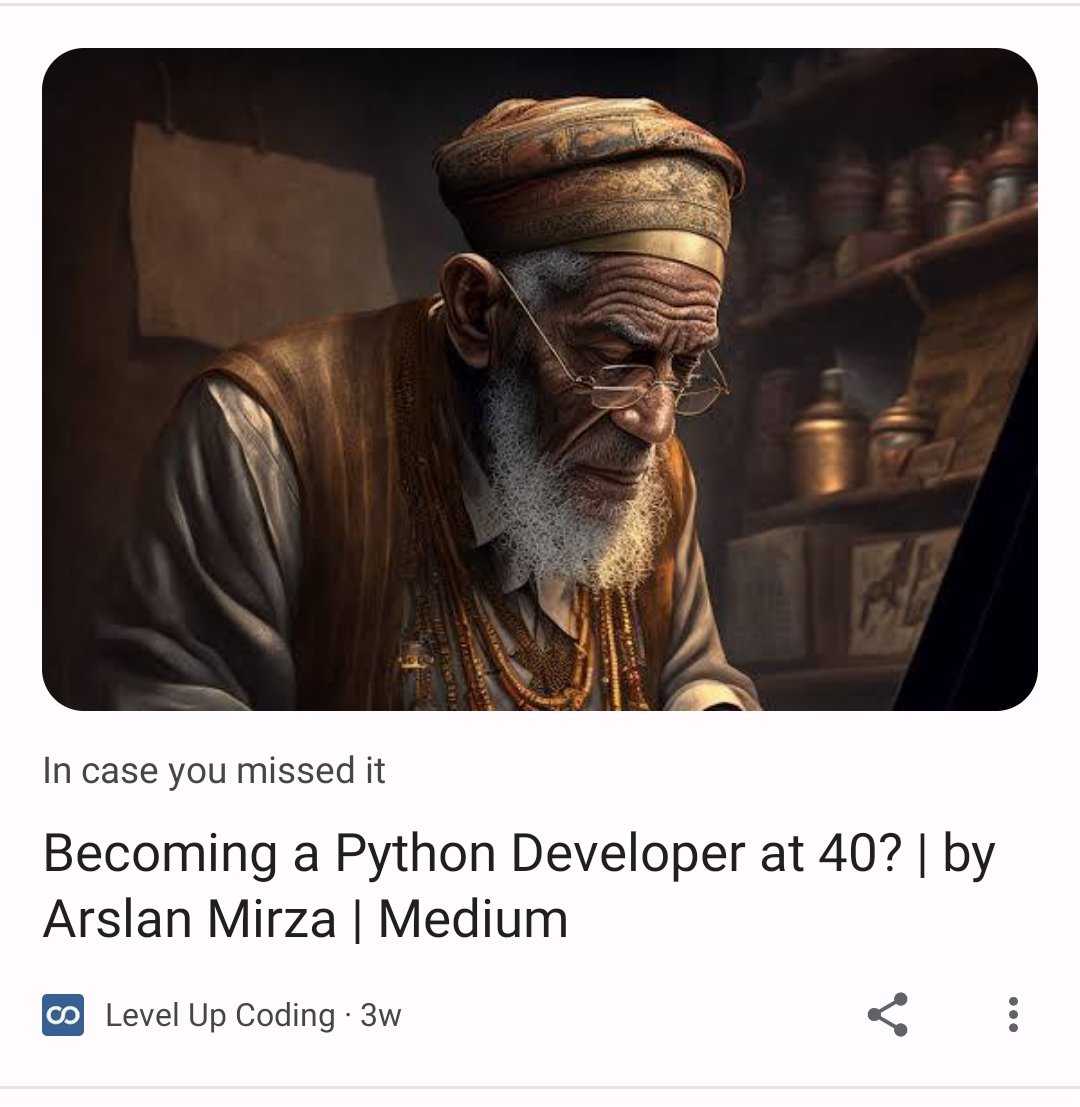
A professor found her name on an article she didn’t write. Then it got worse
https://retractionwatch.com/2023/04/18/a-professor-found-her-name-on-an-article-she-didnt-write-then-it-got-worse/
Bloody hell.
Tories consider controversial plan to politicise civil service after Raab scandal
https://www.theguardian.com/politics/2023/apr/22/tories-consider-controversial-plan-to-politicise-civil-service-after-raab-scandal?CMP=Share_AndroidApp_Other
I have often thought, when seeing a maniac brandishing a lethal weapon, that the most obvious thing they were trying to communicate was "I'm not going to hurt you". https://x.com/shannonrwatts/status/1649549998260879360
"and isn't there a civil servant who can do my prison time for me?" https://x.com/PolitlcsUK/status/1649705970795261954
I keep being advertised these "vinyl box" subscriptions... Where you don't get to choose the music, but, ya know, who cares? It's VINYL! 🤦🤔
"In good conscience, I cannot and will not defend higher education," Sen. Blanco said.
😭
Texas Senate approves ban on tenure for university and college professors
https://cbsaustin.com/news/local/texas-senate-approves-ban-on-tenure-for-university-and-college-professors
Fact Check: A Physicist Weighs In On Whether Scrooge McDuck Could Actually Swim in a Pool of Gold Coins
https://www.mentalfloss.com/article/500940/fact-check-physicist-weighs-whether-scrooge-mcduck-could-actually-swim-pool-gold
The customizability of AWS infrastructures often makes them overlook making simple things easy to do. Want to redirect a domain to another with SSL? You have to setup Route 53 Domain -> Cloudfront Distribution -> S3 static website hosting with a redirect. This should be 1-click.
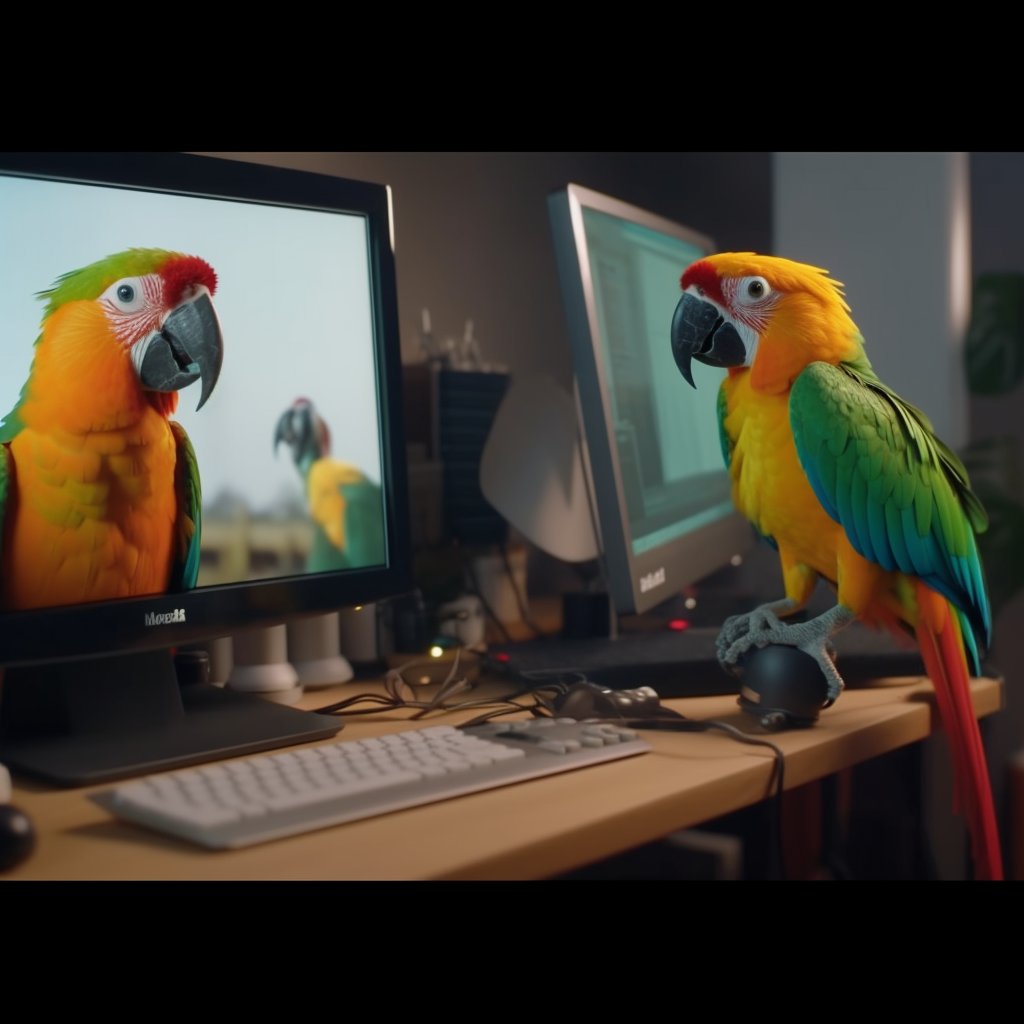
Parrots taught to video call each other become less lonely, finds research 🦜
https://www.theguardian.com/environment/2023/apr/21/parrots-taught-to-video-call-each-other-become-less-lonely-finds-research
Wanna Skype?
Of course, the parrots might just have been interacting with an AI. A stochastic parrot 🦜
The assumption that disabled people are "faking it" if they have variable conditions is so pernicious. For example, my condition varies: sometimes I need a stick to walk. Other days, I can dance.
But read this thread: "even after 15 years, every time I am outside, I am afraid". https://x.com/FionasWriting/status/1649417552009871362
Today is definitely not a dancing day 😒
"Masks minimally impair those who wear them, but the impacts of COVID-19 on vulnerable people are well known and they vary from the mild to the deadly"
Human Rights Commissioner troubled by end of mask mandates in healthcare settings
https://bchumanrights.ca/news/human-rights-commissioner-troubled-by-end-of-mask-mandates-in-healthcare-settings/
Court and jury: *convicts murderer caught murdering on CCTV in broad daylight*
The BBC: "on the other hand, Jimmy McKill says the court was biased against him" https://x.com/Saffiya_Khan1/status/1649676308455084032
Today, I'm writing a preface for the Chinese translation of The Digital Humanities and Literary Studies and completing various press author forms for Paper Thin.
AI projected image of @ersatzben at the finish line of the London marathon tomorrow

Dominic Raab confirms he is not a bully in the workplace by claiming it's all the fault of his useless, sabotaging colleagues.
“If we think it is healthier to have a diverse set of publishers providing these services to us then we have to encourage models that allow them still to participate” -- my thoughts on bibliodiversity as told to @rachelmageeUK
https://www.researchprofessionalnews.com/rr-news-uk-open-access-2023-4-open-access-a-great-step-forward/
Lots of good work today on the Crossref Labs API. We're building an experimental system that lets us think "what if?" for various new metadata fields in the main API. The API is running at http://api.labs.crossref.org and, being a prototype, has no guarantee of stability.
How does it work? Well, first, you will need to operate in polite mode to get any results. ?mailto=youremail in the URL will do it. Essentially, though, this AWS lambda function, running FastAPI on an API Gateway, makes requests to the live API.
So, for example, we have cr-labs-preservation for preservation information. We have cr-labs-member-profile for additional member data not normally in the main API. And, thanks to my colleague Dominika, just today, we have cr-labs-resolution, for DOI resolution data!
On the return from the API, the Crossref Labs Annotation module injects new fields/data into the API response. These keys are all prefaced with cr-labs- to make it clear that they are experimental and subject to change. https://gitlab.com/crossref/labs/clannotation
How do the /all routes work? We're pregenerating these responses once every 24 hours and then just serving them, rather than hitting the live API every time. This also means the only access limit is the speed you can download from AWS S3.
We also have the ability to return "all" routes now. Using ?cursor=*&rows=all will, on certain API routes, like "members", return you all members, without any pagination. This isn't implemented for /works because it's 145 million records.
The other is our observability tool, longsight. This lets us inspect and debug Lambda functions in a unified way. All part of our Labs infrastructure. https://gitlab.com/crossref/labs/longsight
Two other projects help us run these under the hood. The first is CLAWS, the Crossref Labs AWS toolkit. This is basically a wrapper for lots of AWS functionality in one package. https://gitlab.com/crossref/labs/claws
What's next? Well, I want to build a deposit-side version, which will allow you to submit experimental new metadata, to be re-presented when you visit the Labs API. All while maintaining compatibility with the live API. Stay tuned...


This morning is being powered by the Rotten Citizens Vol. 5 compilation.
https://www.youtube.com/watch?v=DiyjtOIo4dw
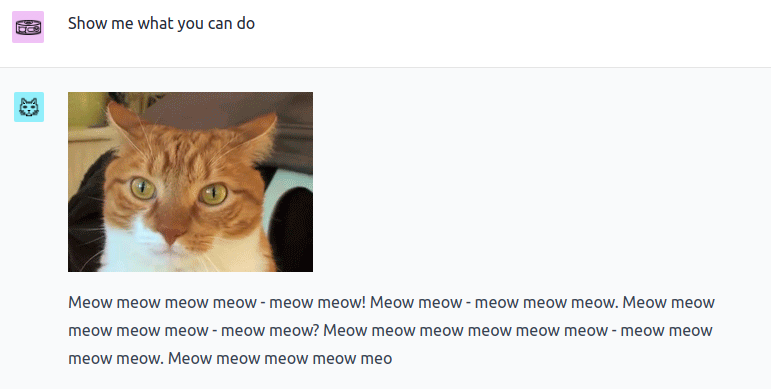
Wow. AI has progressed so much this week.
https://www.cat-gpt.com/chat
Last call!
If you can, *please* sponsor @ersatzben who is running the London marathon to support @VersusArthritis in my name.
All my health problems - from stroke to kidney failure - stem from rheumatoid arthritis. This charity's work has saved my life.
https://www.justgiving.com/fundraising/Ben-Johnson53?utm_campaign=lc_frp_share_transaction_fundraiser_page_launched&utm_content=e8d46f54-e44d-4988-aa90-a6440d2ffc2c&utm_medium=email&utm_source=postoffice&utm_term=1667412479043
You can complain about the electoral commission's discrimination against disabled people, by insisting on a no facemask policy, here: https://www.electoralcommission.org.uk/contact-us/complain-about-us/make-your-complaint
The Crossref Labs experimental API (subject to Total Breakage At Any Moment™) now has support for a "rows=all" querystring on some routes. I know this is a common use case and that cursor pagination is a total pain, so we're seeing what we can do to yield all entries.
A good clinic today, as these things go. I'm now booked to see the vascular surgeons to have a fistula implanted. I have a pre-dialysis session next week to plan. The bad news: I also have some blood test showing potential heart failure. And my lungs sound dodgy #canIhaveabreak
Current status.
Important kidney failure clinic today. Should know more what the future looks like afterwards...
https://www.youtube.com/watch?v=ncaNlxvTFzg
Authoritarian Britain. Democratic protest criminalised.
French publisher arrested in London on terrorism charge
https://www.theguardian.com/uk-news/2023/apr/18/french-publisher-arrested-london-counter-terrorism-police-ernest-moret?CMP=Share_AndroidApp_Other
Whenever James Cleverly is quoted, it sounds like bad examples from writing manuals.
"Avoid speech adverbs," said James cleverly.
A really frustrating day, tech-wise (I'm going to have to take the Spark plunge) and healthwise (feeling rotten).
Tomorrow, though, I have the all-important first appointment at the local dialysis centre. I hope to leave with a plan...
Sickness drags down UK economy as job vacancies go unfilled
Slow hand clap.
https://www.theguardian.com/business/2023/apr/18/sickness-uk-economy-job-vacancies-rishi-sunak-ons
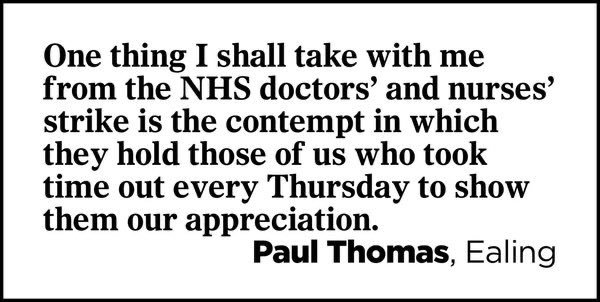
Ah yes. The massive sacrifice of banging some pots and pans on your doorstep. You're a true hero, Paul.
"People being paid more remains one of the biggest worries for the Bank of England" https://x.com/ProfDaveAndress/status/1648237560798298112
The thing is... They will. And then we will have no doctors and no health service. https://t.co/FJzfhkYt1N
Mr Sunak was caught on camera explaining at a hustings that what “levelling up” was doing was diverting money away from poorer areas and towards some of the wealthiest parts of England, to benefit people like the Tory supporters in Tunbridge Wells
https://www.theguardian.com/commentisfree/2023/apr/17/the-guardian-view-of-the-pms-family-finances-out-of-touch-with-reality?CMP=Share_AndroidApp_Other
‘It made me wish I had made more records’: Natalie Merchant on returning to music after losing her voice
https://www.theguardian.com/music/2023/apr/18/natalie-merchant-on-returning-to-music-after-losing-her-voice-10000-maniacs?CMP=Share_AndroidApp_Other
This afternoon is another joyous "how is Airflow going to mangle our existing codebase, this time?" trip. Let me count the ways.
Proverbs from the n+7 machine.
Laughter is the best medicine / Law is the best megalomaniac http://www.spoonbill.org/n+7/texts/proverbs.html
"Don't put all of your elbows in one bathroom"
#fun
Excellent. First math problem he can solve: if a Conservative government comes in and loses £74bn of the country's money in a fortnight, what should that mean for their electoral chances?
Rishi Sunak sets up review to tackle 'anti-maths mindset'
https://www.bbc.com/news/uk-politics-65293430
Of course he is - he's got private healthcare. Meanwhile, it's the thousands of ordinary people, in pain, who need medical help who suffer from the government's choice.
Rishi Sunak appears ready to try to tough out further wave of NHS strikes
https://www.theguardian.com/society/2023/apr/16/rishi-sunak-ready-tough-out-further-wave-nhs-strikes
ChatGPT is a language simulation, not a knowledge retrieval system. https://x.com/NevilleMorley/status/1647671724140363777
"Parliament’s spending watchdog estimates fraud and error were likely to have cost the UK government as much as £16bn across the various Covid loan schemes"
So the pay rise junior doctors are asking for is about 5% of that.
https://www.theguardian.com/politics/2023/apr/16/ministers-ignored-red-flags-over-covid-says-former-head-of-sfo?CMP=Share_AndroidApp_Other
A tech term that has evolved annoyingly is "VPN". It's used universally now to mean "internet proxy" whereas I usually want one to link my various computing setups to one another securely, as though local, over the internet.
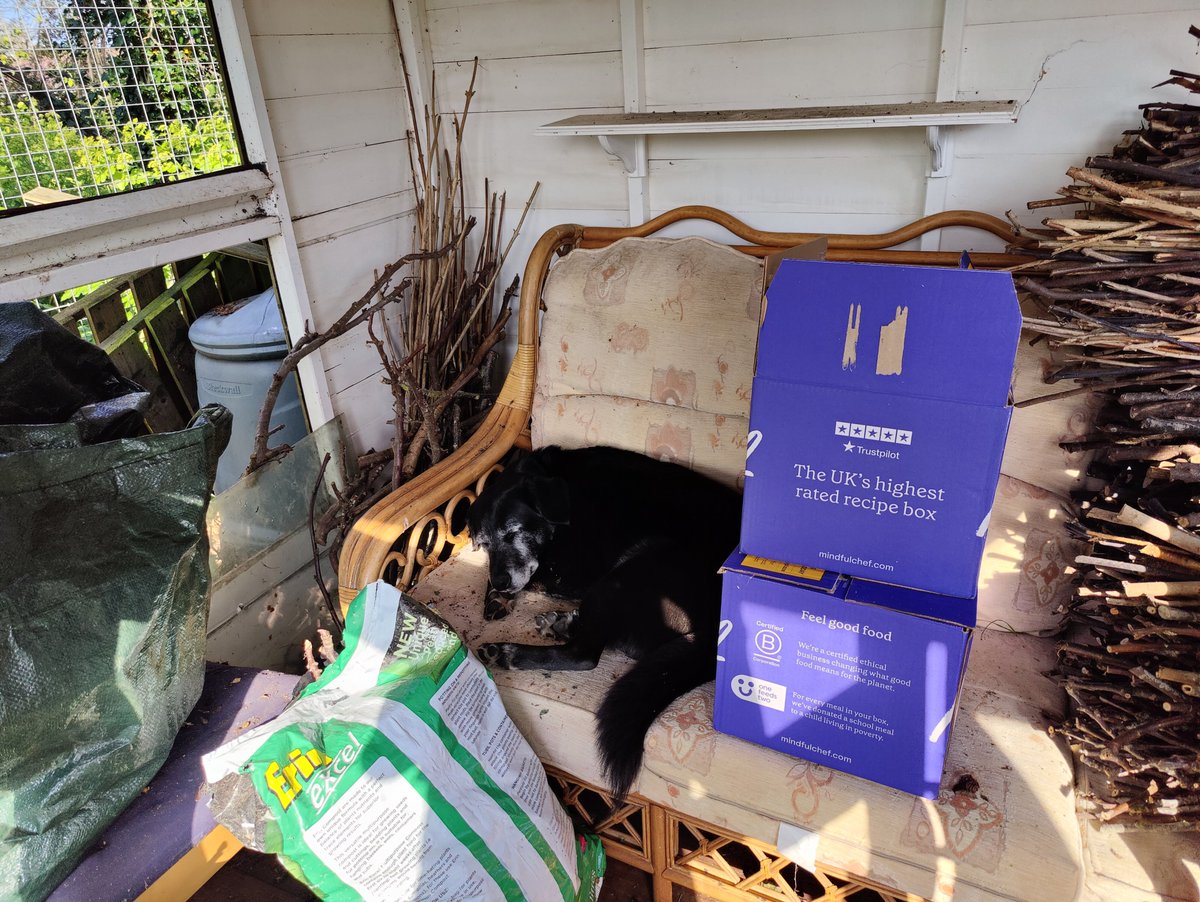
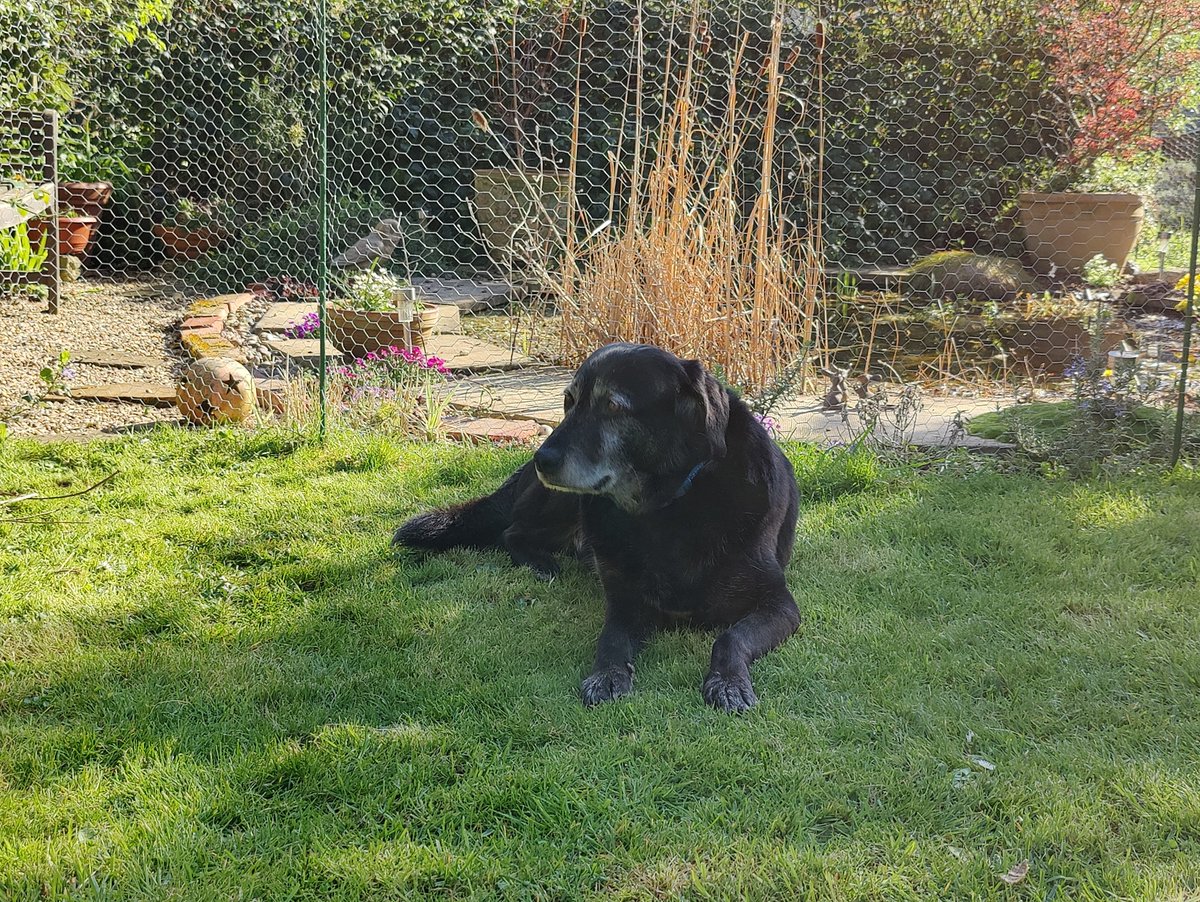
We are all outside today in the nice weather. Luka has snuck into the summerhouse for a snooze on the shabby sofa!
Seeing Luc and John's book out, I realise, is also a significant moment in my intellectual career. International Pynchon Week 2008 in Munich was the first academic conference I attended. They first presented this work there. It's been a more-than-15-years-long project.p
Because I'm immunocompromised, can't mount a response to the vaccine, and covid could kill me.
My friends mask because they also don't want me to die. This is called "caring for others". https://x.com/mrmarkdolan/status/1647295003922669571
Continuing with this superb book on the evolution of Pynchon's first novel, but struggling somewhat: I've developed a tremor/shake - apparently due to kidney failure - that's making it quite hard to turn the pages 😕

Coronation’s Big Help Out volunteering project at risk of lack of participants. Lol.
https://www.theguardian.com/society/2023/apr/16/big-help-out-volunteering-crisis-coronation?CMP=Share_AndroidApp_Other
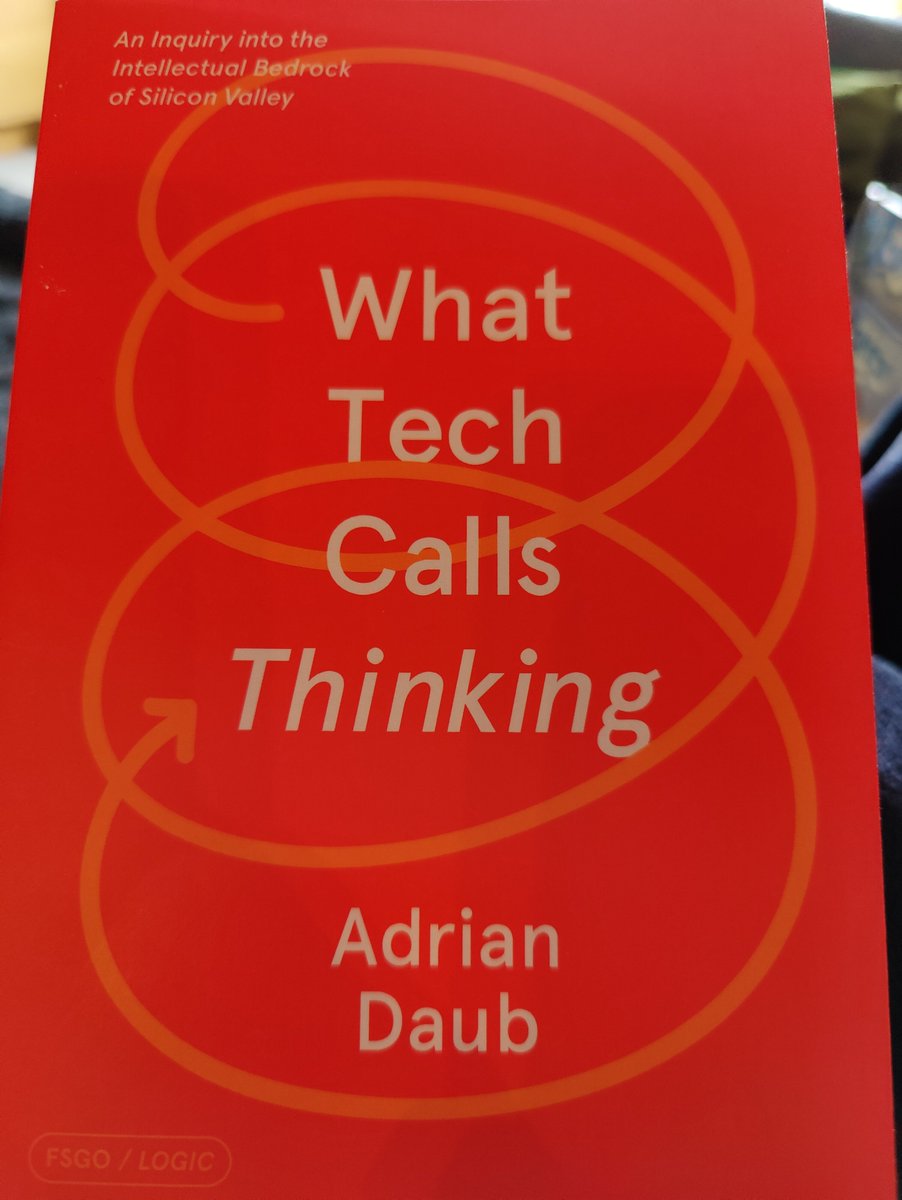
Today I have been listening to the Alban Berg Quartett's /Complete String Quartets of Beethoven/ while, on @gbilder's recommendation, I read Adrian Daub's /What Tech Calls Thinking/.
Perhaps the thing that struck me most was that the book wants to make precise distinctions. But What Daub Calls Tech is actually Silicon Valley "thought" leaders. It's not tech workers or developers. It's a critique of rampant SV capitalism.
It's an interesting book. Some very obvious targets like Ayn Rand. Some wilful ignorance ("I am not even going to find out what that [tech term] means"). But generally quite persuasive.
Instead, Daub asserts explicitly that "the ideas that tech calls thinking were developed and refined in the making of money". Many were. But there are some that were not. There's a whole strand of leftist thought against commercialism in some open source work.
Again: that's not a bad thing. This culture is pernicious. But the narrative never once mentions, say, open source volunteers who build technologies without the expectation of monetary reward.
The book also does a classic - and not necessarily wrong - humanities move. It finds something that claims to be discrete, full of abrupt breaks (SV "disruption") and instead says: actually, these are continuous and have a history.
As Gabriella Coleman charts it, most open source work probably eventually falls into the camp of political liberalism - but there are more engaged, full left cultures too. They aren't mentioned here.
The other person who does this really well is Ted Underwood on literary periods - in a very different way - but it nonetheless reminded me of that.
Finally, in his critique of SV cultures, Daub posits that, say, Stanford dropouts want to feel that they are idiosyncratic outsiders/revolutionaries while still benefitting from the nominal association with a centre of traditional power. I'd only add that so do many academics...
Oh, and PS, there's a great reading of the Pixar film Ratatouille in there 🐀
He does kindof say this early on.
And another thing: Daub says outright that coding has no aesthetic characteristics. Gives an example that coding in films is boring. But so is painting! "Like watching paint dry". That doesn't mean painting isn't an aesthetic act.
The elegance of some code is beautiful. And it's possible to deem some solutions, even those that work, to be "messy"/inelegant. These are aesthetic judgements, not functional appraisals.
"MEPs also want responsibility for misuse of AI programmes to lie with developers such as OpenAI"
OK... but why just for AI? Why not all products everywhere?
European parliament prepares tough measures over use of AI
https://www.ft.com/content/addb5a77-9ad0-4fea-8ffb-8e2ae250a95a
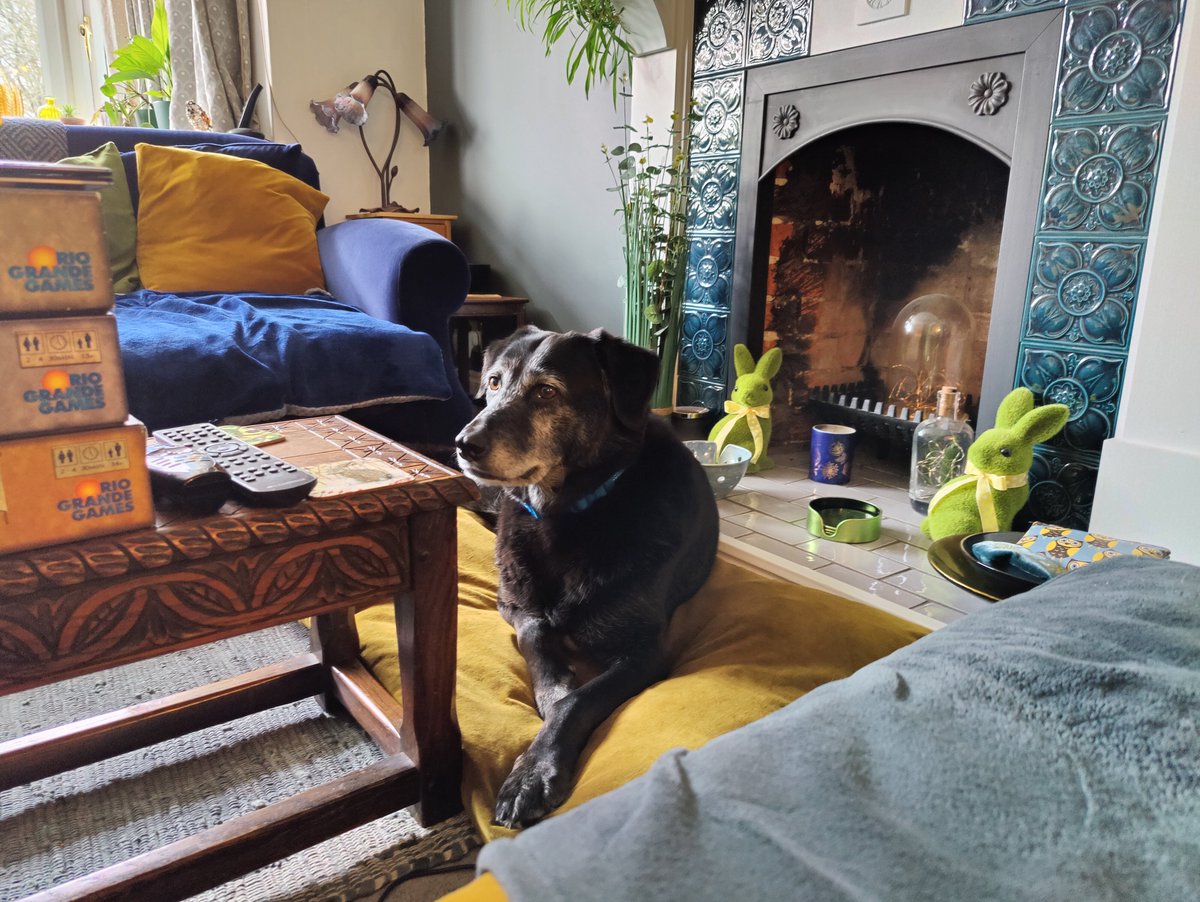
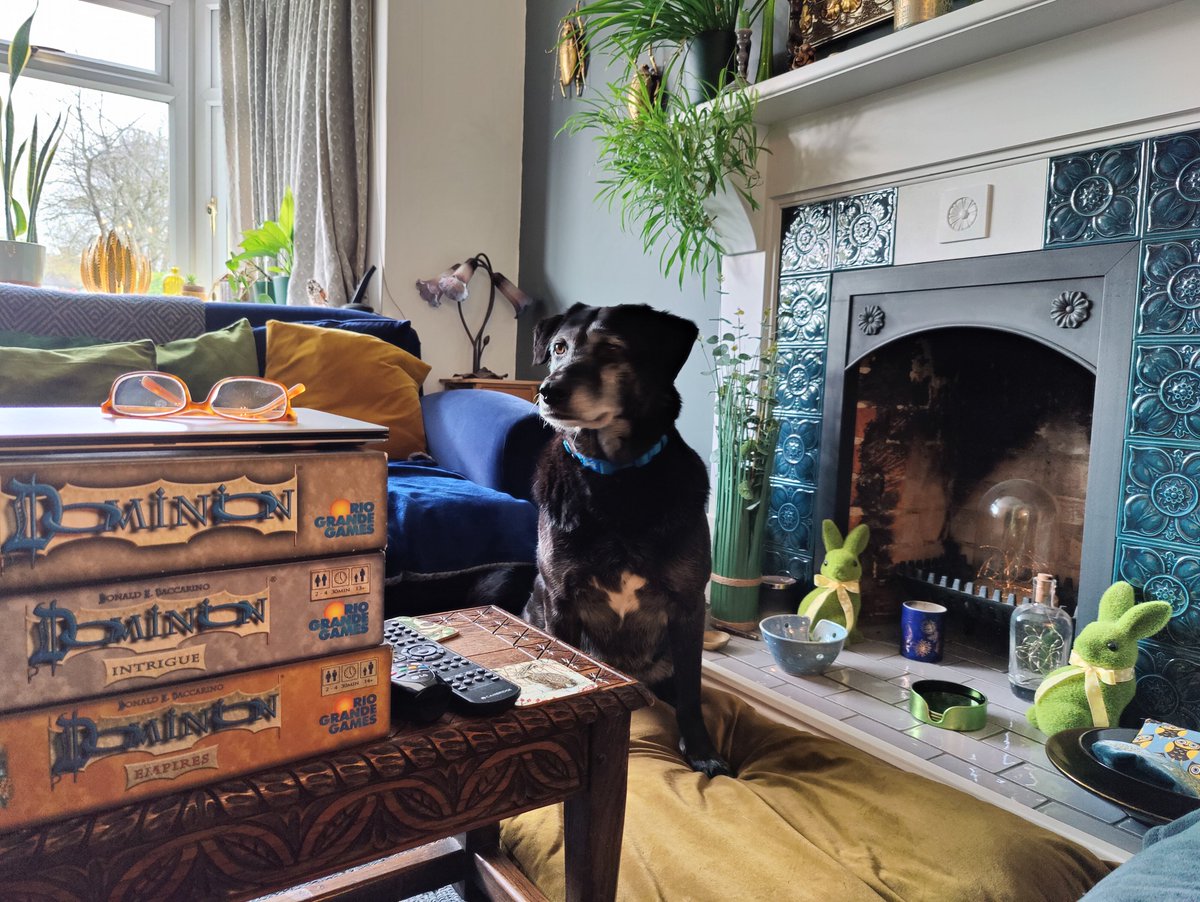
Well, he looks a little suspicious of the whole setup, but Luka has voluntarily chosen to come sit near me while my wife is out of the room. Huge progress! He'll love me eventually!
The nerve of this. 1.2m immunocompromised people needed Evusheld last year, when it was efficacious. 32 other countries had it. The UK was alone in withholding this treatment from its most vulnerable and just ran down the clock. https://x.com/willquince/status/1646889142863659010
Sounds about right https://x.com/heroicendeavour/status/1647152279039131648
91% of ML Models Degrade in Time
https://www.nannyml.com/blog/91-of-ml-perfomance-degrade-in-time
Don’t call it Rust: Community complains about draft trademark policy restricting use of 'word marks'
https://devclass.com/2023/04/11/dont-call-it-rust-community-complains-about-draft-trademark-policy-restricting-use-of-word-marks/
Weekend time
PS, that's AI. Artifical Instrument

A huge shout out to NWO for supporting infrastructure. There are so few funders who do (Arcadia, of course, is another - and Mellon), but it's absolutely crucial. https://x.com/HLdeJonge/status/1646911784656199680
Just learned that my local dialysis centre is called "The Alan Squirrel Unit".

My friend Pete has resurrected the archive of "The Spoonbill Generator", a collaborative poetry creation tool that spawned over 3,000 poems, "ranging from minor masterpieces to complete rubbish" http://www.spoonbill.org/treasury-rescued.php
A really important NICE consultation underway in the UK, right now. It's basically about how NICE can make timely decisions re. Covid meds.
COVID-19 technology appraisal recommendations: surveillance and rapid update process statement consultation
https://www.nice.org.uk/guidance/indevelopment/gid-ngc10017/consultation/html-content
V cool that this was discovered by Eduardo Vela Nava. I worked in the same infosec space as him around 2004 (under my pre-married name) - building XSS filter evasions & sandbox escapes.
Linux kernel logic allowed Spectre attack on 'major cloud provider'
https://www.theregister.com/2023/04/14/linux_kernel_spectre_flaw_fixed/
Totally unacceptable.
The nurse who took my blood yesterday was the first I've seen a HCW masked in weeks. I thanked her and she said "I have a duty to protect vulnerable patients. I always wear a mask".
This is what medical care should look like. She got it. https://x.com/SGriffin_Lab/status/1646429929376972802
Today I began work designing a modelling system that will allow us to prototype new metadata fields, interacting with the live Crossref API. Early days but interesting stuff!
Reliably detecting AI-generated text is mathematically impossible https://www.newscientist.com/article/2366824-reliably-detecting-ai-generated-text-is-mathematically-impossible/
What Is the Wilhelm Scream?
https://www.mentalfloss.com/article/60236/where-did-wilhelm-scream-come-and-why-do-so-many-filmmakers-use-it
In unusual move, publishers remove authors victimized by forger
https://retractionwatch.com/2023/03/23/in-unusual-move-publishers-remove-authors-victimized-by-forger/
"Are you really suggesting that the monarchy is worth less to the country than a cup of takeaway coffee each a year?"
Yes. Next question.
https://www.theguardian.com/uk-news/2023/apr/11/the-royal-family-an-expensive-burden-or-worth-the-cost-of-a-coffee-each?CMP=Share_AndroidApp_Other
If anybody would like to read a draft of my digital preservation study and provide feedback for an acknowledgement, please let me know.
First draft of digital preservation report... done!

A Cryptographic Near Miss
https://words.filippo.io/dispatches/near-miss/
Education: "That ain't working" https://x.com/bthoilliez/status/1645737344073383936
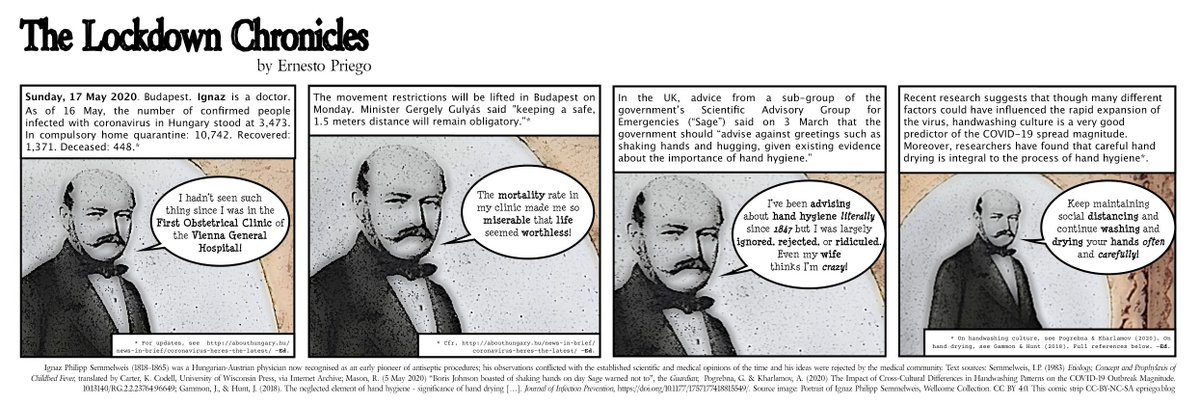
One day, history will look back on the anti-mask mob - particularly those who ditch them in healthcare settings - in as bad a light as the backlash to Ignaz Semmelweis telling doctors to wash their hands.
https://en.wikipedia.org/wiki/Contemporary_reaction_to_Ignaz_Semmelweis
Of course, @ernestopriego made this point first, in his Lockdown Chronicles
There's no way they're going to eat that many beans - you'd need a doctor!! https://x.com/DrDerekConnolly/status/1645845607565742091
I now await the idiots' explanations of how this is not about beans but a demonstration of pay cuts.
Whenever I write about "dark archives" I go a bit...

Up to 6k words on the digital preservation article/report. Jamming to Jah Wobble's Invaders Of The Heart – Bomba (Mile Away Mix). https://soundcloud.com/libreservice/jah-wobbles-invaders-of-the-heart-bomba-mile-away-mix-lowpass-gate-edit
Of all the sources that I most ironically cannot access because they've disappeared, Jones, Maggie. “Archiving E-Journals Consultancy (Final Report),” October 2003 is up there.
"It is hard to overstate how dangerous this week is likely to be... And yet the government must ultimately hold the responsibility here" https://www.theguardian.com/society/2023/apr/11/secret-consultant-cannot-overstate-dangerous-hospitals-england-junior-doctor-strike?CMP=Share_AndroidApp_Other
Today is all about writing up the digital preservation report...

A conundrum...
Evusheld 2 (SUPERNOVA) trial pushed back to late May for recruitment. Having a booster vaccine in 3 months before excludes you from the trial. Trial is randomised with 50/50 Evusheld v1 to v2.
I mount no antibody response to vaccines. Evusheld v1 may be losing efficacy. Evusheld v2 is unproven.
Tricky to know quite what to do...
I've had this happen twice now and I don't get why AWS doesn't fix it. You register a domain with Route53 and it sets the NS record to AWS resolvers. But there's a second page of Nameservers and they're different. Until they match, the domain won't resolve https://frenchtechlead.com/posts/tech/20220717-my-route53-domain-is-not-resolved/
Good luck to junior doctors on strike this week - and I say that despite having an important immunology appt cancelled. The future of our health service rests on treating young doctors well. This government's obsession with grinding the majority into impecunity cannot stand.
ChaosGPT is the first public attempt to destroy humanity with AI
https://the-decoder.com/chaosgpt-is-the-first-public-attempt-to-destroy-humanity-with-ai/
Success! 2 journal articles and 1 book chapter revised into shape over the bank holiday. #collapsesinaheap
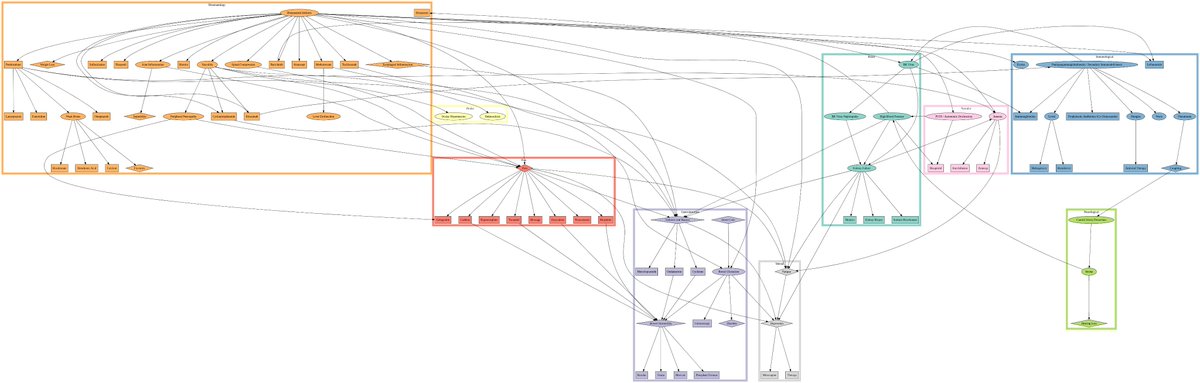
I need, at an upcoming hospital appointment, to summarise my medical history. I thought it was worth sharing this flowchart that shows how I got from "just" rheumatoid arthritis, to a stroke and kidney failure. A highly complex systemic pathology.
"wealthist" 😂 https://x.com/tomgara/status/1644754084728131593
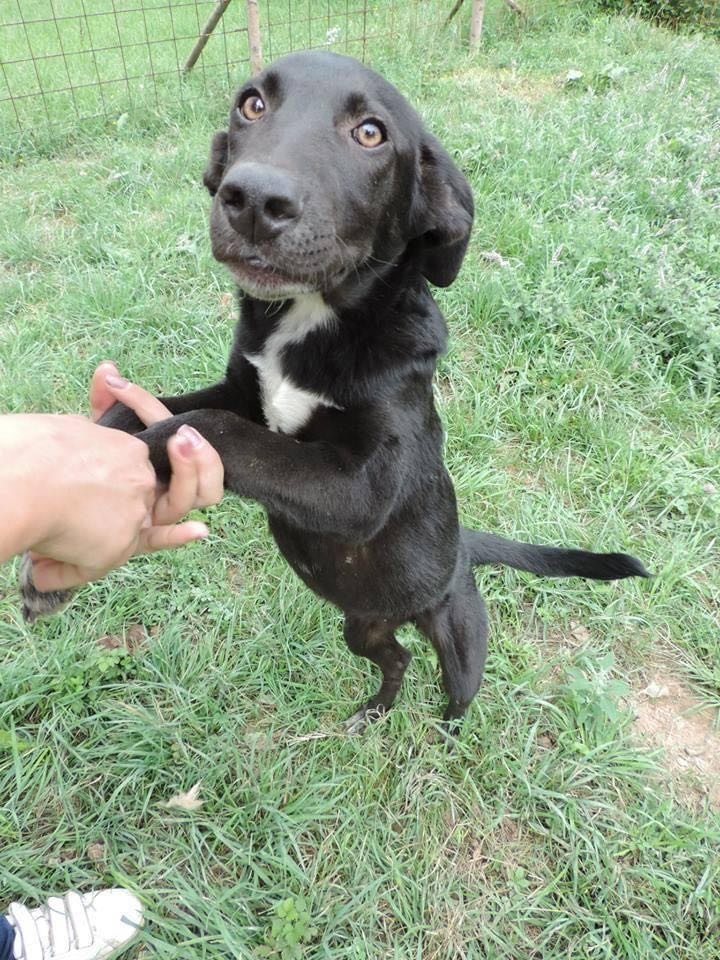
The shelter found us some pictures of Luka when he was a puppy. Why did nobody adopt him for eight years?!

A health conundrum: I have limited painkiller doses per day due to kidney failure. I need constant pain relief for the terrible spinal compression from the arthritis. If I take them at night I can sleep. But then I have less pain relief in the day. Not sure there's a good answer.
Feeling a bit better today and managed to do the book chapter revisions. This is for one of the "Debates in Digital Humanities" volumes & I must say that the "peer-to-peer review" system is really constructive. It's great to get such positive feedback aiming to improve the work.
Urgh.
I am one of those "severely immunocompromised individuals". But I have to visit departments where they don't specialise in this. It's not like we're walled off in hospitals.
But staff will no longer be tested for Covid infectivity. There is so little care. https://x.com/kernowjones/status/1644976906415005696
As I've said before: I got Covid by going to a hospital appointment that I really needed.
It then landed me in a hospital bed, via A&E, for 3 weeks.
Yeah! Finally, the upside of planetary and species annihilation we've been waiting for! https://x.com/AP/status/1644361987785125888
Had an interesting conversation with a colleague this week re Large Language Models. Crossref has signed POSI, so everything we produce should be open/reproducible. The use of non-open LLMs to complete a task - even when they work well, like reference matching - violates this.
"And when it accidentally expands in your pocket, you'll sure as heck know about it!" https://x.com/DunoForLess/status/1644734344299433984
Weirdly, although the kidney failure is the serious/terminal problem now, it's the peripheral stuff that scares me. Central line catheter and fistula implantation under general anaesthetic are, in the scheme of things, small worries. But they grow in your mind.
There are hugely varying estimates of how long you can live in the "end-stage renal failure" category, on dialysis. Most say 5-10 years, but you can do longer. Apparently the first 6 months of dialysis are the highest risk.
Basically: if anyone ever wants to give me any kind of "lifetime" achievement reward, don't wait too long. 😂
Spent the morning reading Alan Garner's Treacle Walker while listening to Monteverdi's Vespers. A truly strange novel that presents the senseless with the structure of sense. Lots of optical doublings throughout and scores of allusions to other texts leaping off every page.

Urgh. More bad kidney results. I should be used to these by now.
An exciting gift arrived in the post this morning from John Krafft, one of the most astute, but also kindest, people I've met in academia. Looking forward to reading his and Luc's most recent book on the creation and evolution of Pynchon's first novel.

The UK pursues a vaccine-only strategy, only without the vaccines. https://x.com/Kit_Yates_Maths/status/1644235055127203840
A relatively good run today. Revised my journal article, peer reviewed another, checked in on my long-running digital preservation data script, updated the tici taci website. Now need a lie down due to pain, but not a bad day.
I've got a book chapter and another journal article that also need revisions. Hope also to get these done this weekend!
Today, I feel utterly lousy. Rheumatoid spinal compression is dire. All of my joints are swollen and sore.
But I'm sitting outside in the sunshine with my doggy, putting the final touches on a journal article.
Ah yes. The "business mindset" - well known for reducing carbon emissions and putting ethics above profit.
Cop28 president: world needs business mindset to tackle climate crisis
https://www.theguardian.com/environment/2023/apr/07/cop28-president-world-needs-business-mindset-tackle-climate-crisis-sultan-al-jaber?CMP=Share_AndroidApp_Other
I love that this goes down when once a (highly ethical) academic funder wouldn't let me pay for our coffees because it could be construed as a bribe. https://x.com/CNN/status/1643994665031700480
"This is more of a comment than a question"

New issue of _19_ at @openlibhums: "Victorian Beauty", celebrating the work of my colleague, Prof Emerita Hilary Fraser. https://19.bbk.ac.uk/
A reminder, also, that you can explore the tici taci back catalogue at https://ticitaci.com/
This site is generated from the data in MusicBrainz https://musicbrainz.org/label/62db3e96-423a-4e9d-bf66-7a017f1dfc73
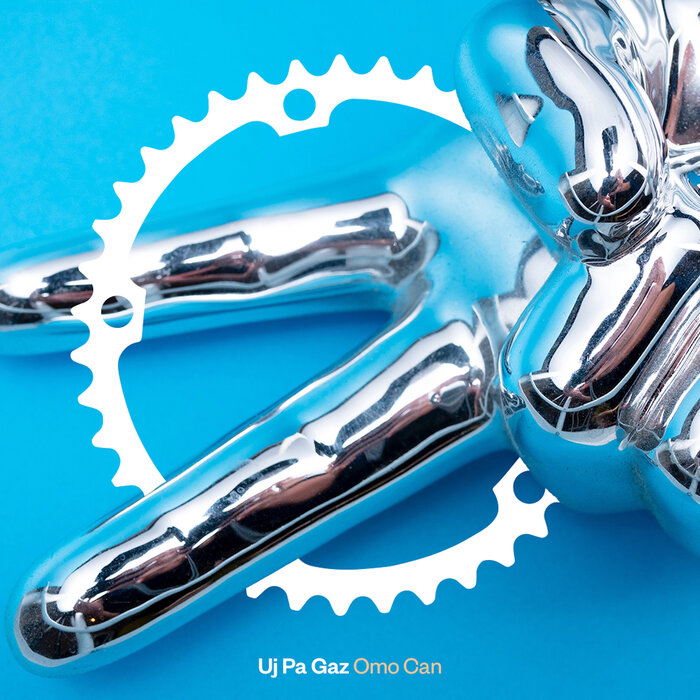
Also, next week brings great musical excitement as Uj Pa Gaz returns to tici taci for the first time in three years. New EP: Omo Can. https://soundcloud.com/ticitaci/sets/ticitaci-083-uj-pa-gaz-omo-can-fritz-clips
Today's tici taci Bandcamp Friday release is label boss Duncan Gray's Nodcast. Vibe is "imagine Blade Runner was set in 1980s Sheffield"... https://ticitaci.bandcamp.com/track/nodcast

Advice from my kidney consultant: "I know this isn't a very helpful thing to say, but please don't get acutely ill just after Easter. It's not going to be safe with the strikes".
UK government is endangering patients by paying junior doctors so little.
The pay scale for junior doctors is abysmal. After 5 years of medical school, they have £45k of tuition fee debt. Then they start on a £25k salary. Pret a Manger pays up to £14.10 per hour. A junior doctor makes just £14.09. The health service needs proper state funding.
Apparently The Telegraph has an editorial saying that junior doctors ought to be ashamed.
No. Disgusting tax avoiding, low-tax promoting, private-healthcare advocates who believe everyone else should live in poverty and be grateful for it should be ashamed.
I wonder whether today is a Bandcamp Friday day? Oh.
Happy Easter, everyone!

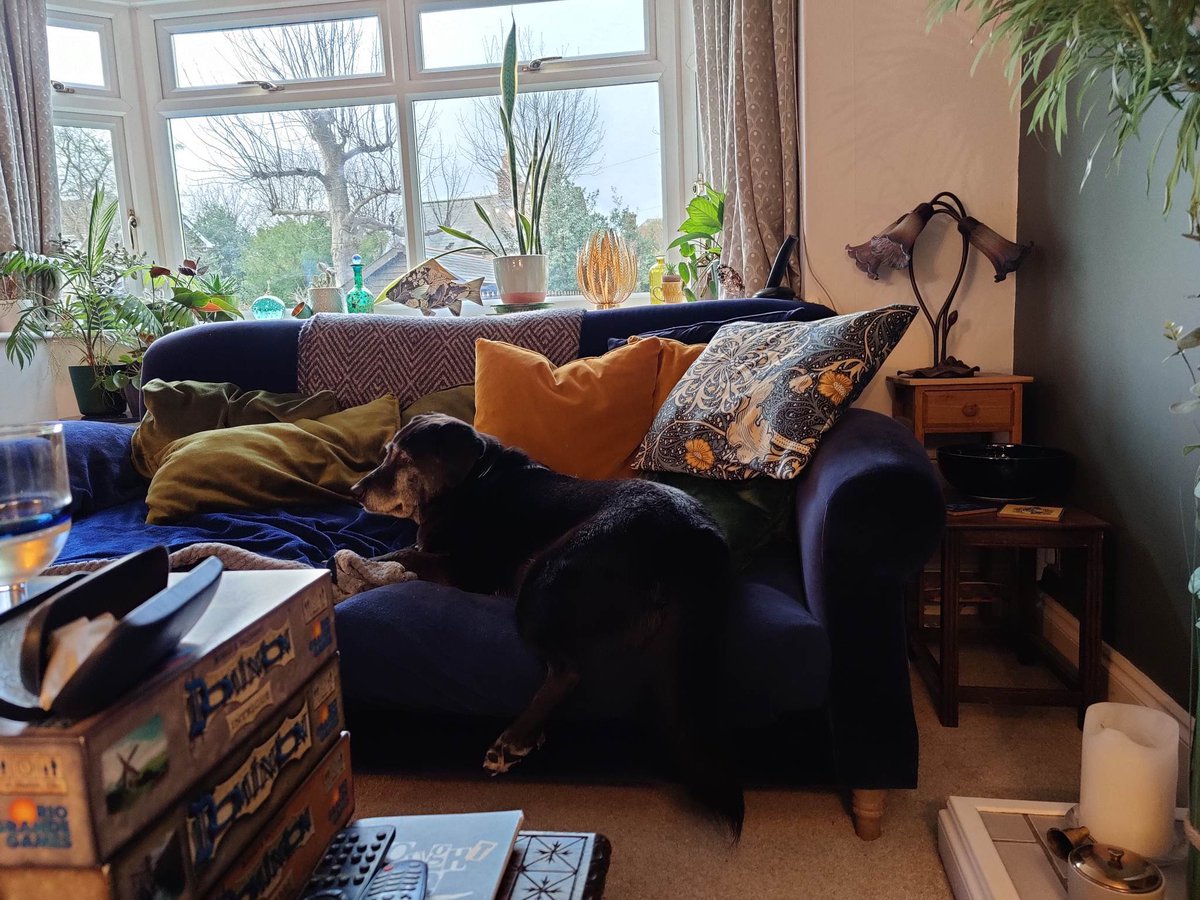
Luka has found the sofa
It's 6pm on the day before the Easter break... and I have a frustrating programming bug that I *really* want to solve. It's one of those "I'll just try one more thing..." loops...
Got it.
Did a bad thing and started eating my Easter egg.
v1.0.3 of longsight released this AM: https://gitlab.com/crossref/labs/longsight
Adds (working now) support for CloudWatch custom metrics and better README documentation for how to instrument a function.
Cloudflare’s view of the Virgin Media outage in the UK
https://blog.cloudflare.com/virgin-media-outage-april-4-2023/
What's plagiarism got to do with it? https://x.com/james_j_bailey/status/1381632238761213956
So, my digital preservation report write-up is well underway. Some interesting findings so far! (Including one mega-publisher w/out good preservation). I've examined 6 million articles for this analysis to get a sense of who does it well and who can improve.
TBH just though the event was about the state of the country https://x.com/DaleGothic96/status/1643534571026145280
Totally unacceptable to abandon infection control like this. https://x.com/czbikerchick/status/1643301351957356552
So, the report ran and the data about digital preservation is in place. Tomorrow I will begin the analysis!
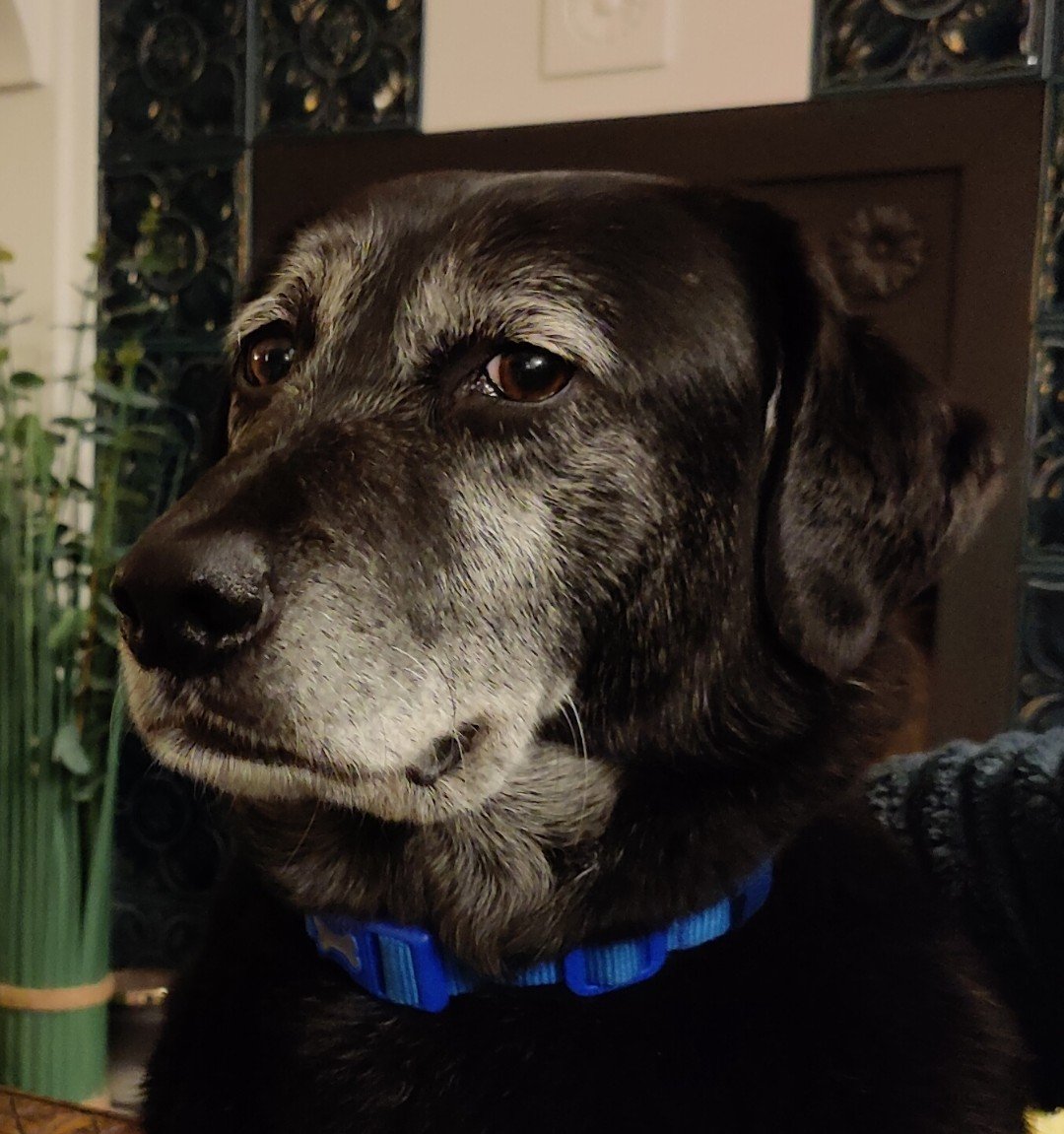
Luka, settling in.
He's still very wary of me. He's clearly been mistreated by men in the past. It could take him a while to come round to me, but I'm just keeping my distance, letting him decide if he wants to come to me... And giving him lots of treats when he'll take them.
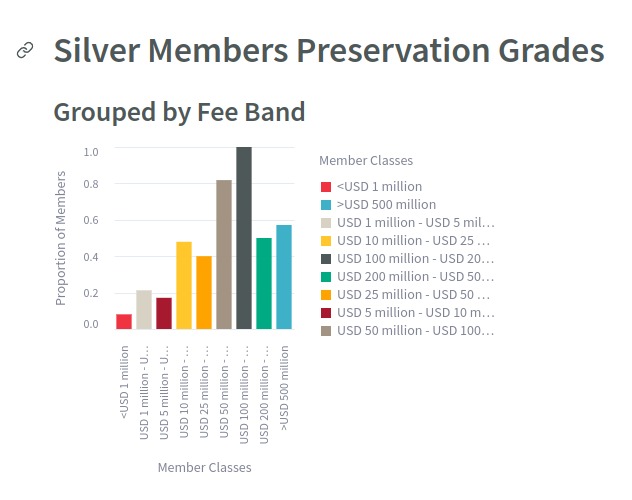
Running the preservation sweep that I have been working on across the entire Crossref member database today. Now validating some data from it, too...
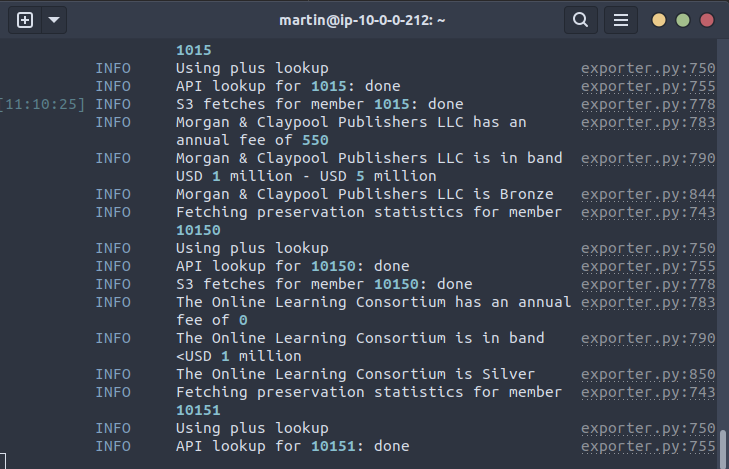
And Virgin Media appears to be down nationally... Again. Urgh.
Pleased to say that I will be delivering a digital keynote at this year's OpenFest at The University of Sheffield. This will take place on the 7th September and I'll have more details nearer the time if anybody is interested.
Coming soon to ITV: Eve, series 5

Young mean doctors are the only people who can have sex https://x.com/Telegraph/status/1614363030380335104
Nationwide Virgin Media outage. That's going to be fun for remote work...
To the theme of The Village People's "Macho Man": "crypto, crypto scam"...

And now twitter isn't showing me who retweeted things... They're just appearing in my timeline 🤔
Why do I have a ridiculous doge at the top of my twitter feed? Em's "humour" I'm guessing.

Seems hard to imagine a worse idea.
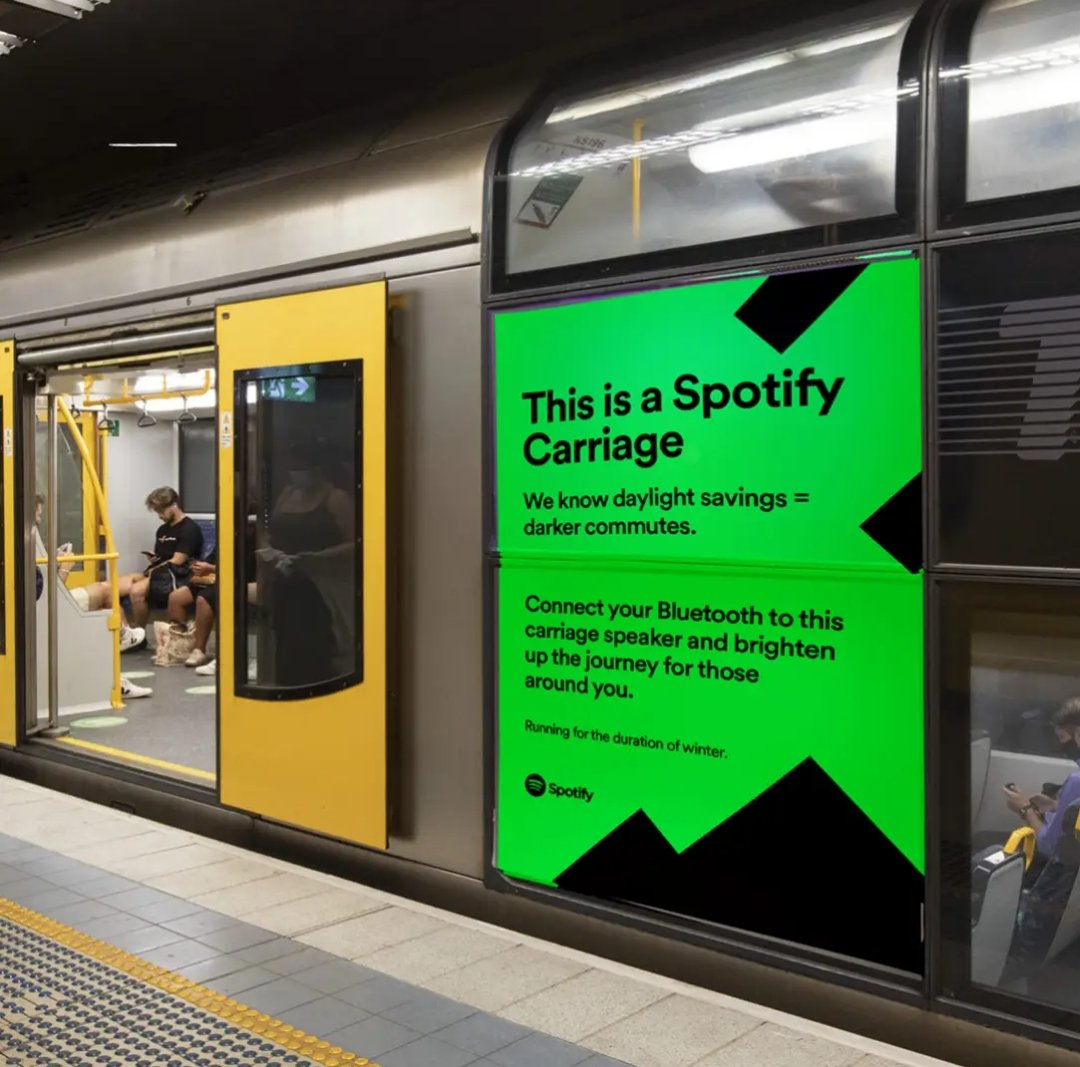
Been listening to the latest tici taci promos while working today... Uj Pa Gaz, Omo Can, coming soon... https://soundcloud.com/ticitaci/sets/ticitaci-083-uj-pa-gaz-omo-can-fritz-clips?si=e75ecaff3fd84fb4827902daa18edcf8&utm_source=clipboard&utm_medium=text&utm_campaign=social_sharing
Tearing down infrastructure with "terraform destroy" makes me feel...

Immunology want me to have these tests. They said that they are taking over a year to get results.
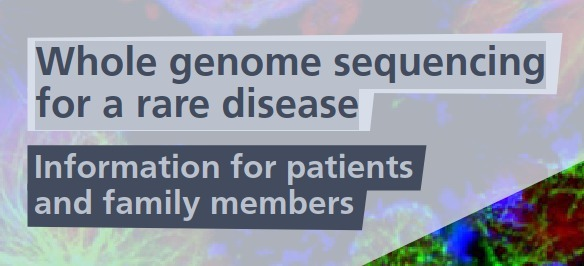
Backlog in NHS genome service leaves families facing long wait for results
https://www.theguardian.com/society/2023/apr/03/backlog-in-nhs-genome-service-leaves-families-facing-long-wait-for-results?CMP=Share_AndroidApp_Other
My productivity secret revealed: I am actually Borg.

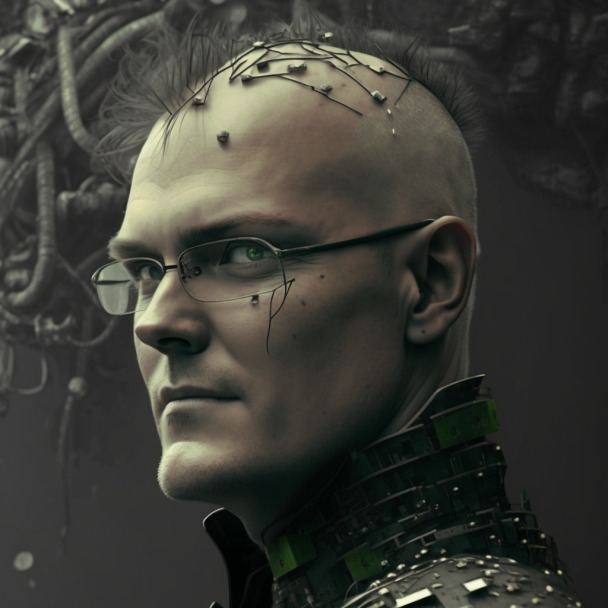
AI has looked into my future. And it's predicted that I will become a rugged fisherman who keeps track of his catch with a pencil and paper.

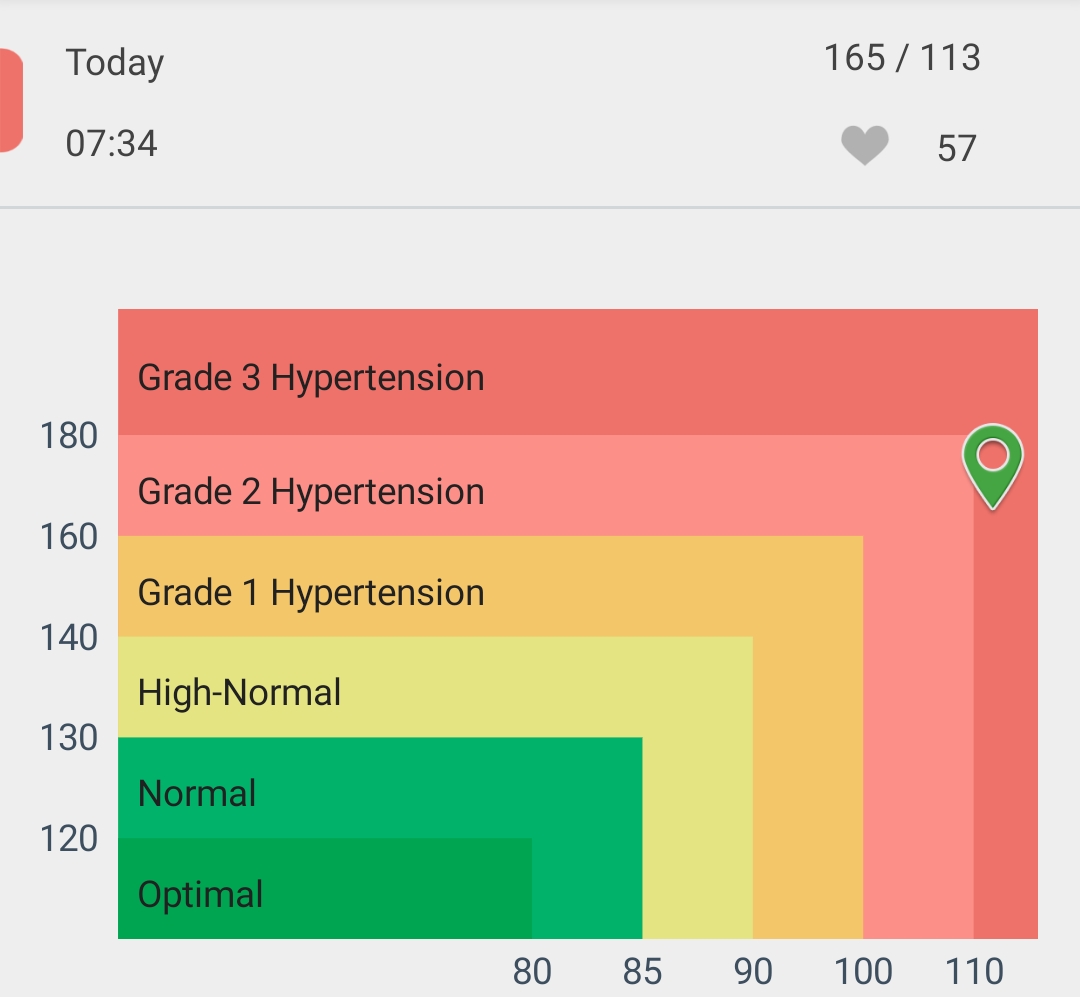
The second my rheumatoid arthritis flares, my blood pressure goes through the roof. Urgh.
Emahoy Tsegué-Maryam Guèbrou: the Ethiopian nun who was one of history’s most distinctive pianists
https://www.theguardian.com/music/2023/mar/28/emahoy-tsegue-maryam-guebrou-the-ethiopian-nun-who-was-one-of-historys-most-distinctive-pianists
Luka is not very invested in Star Trek TNG

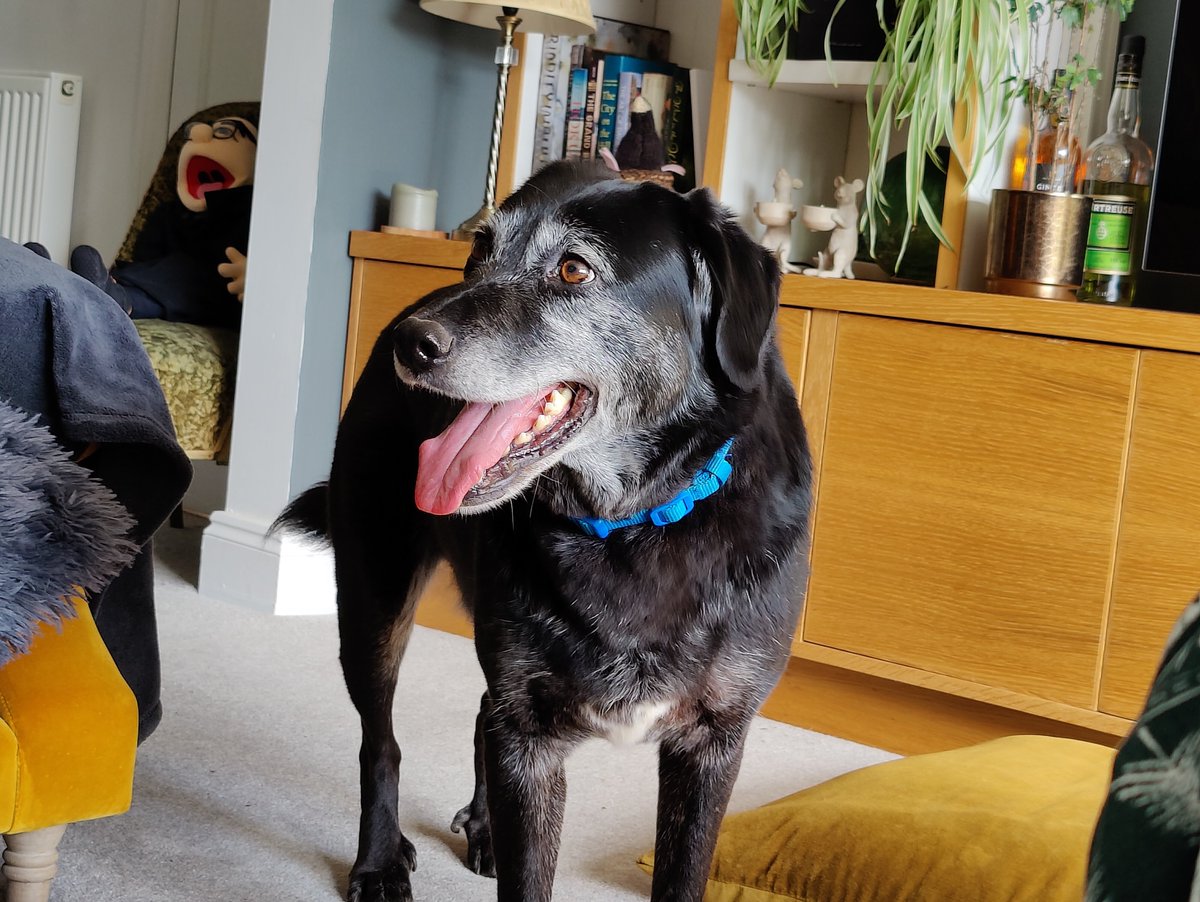
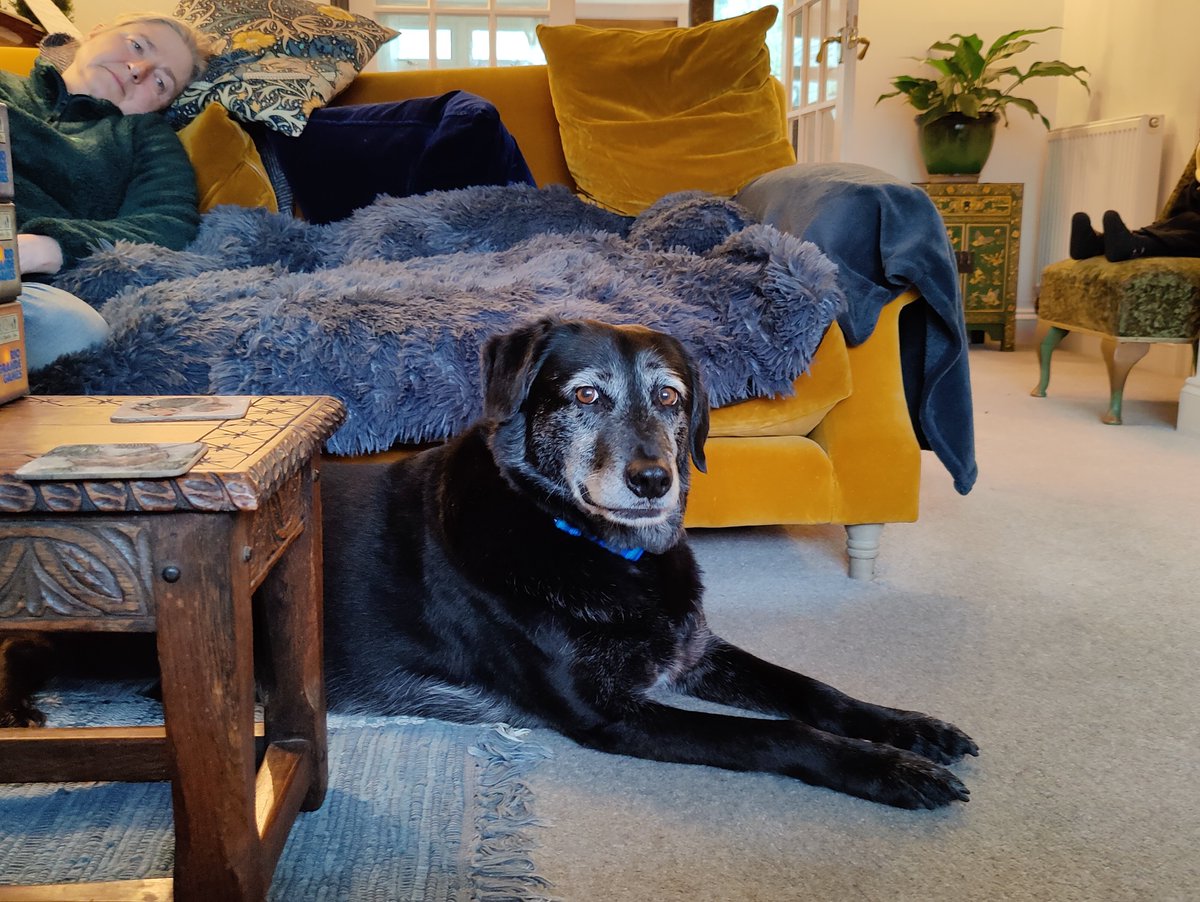
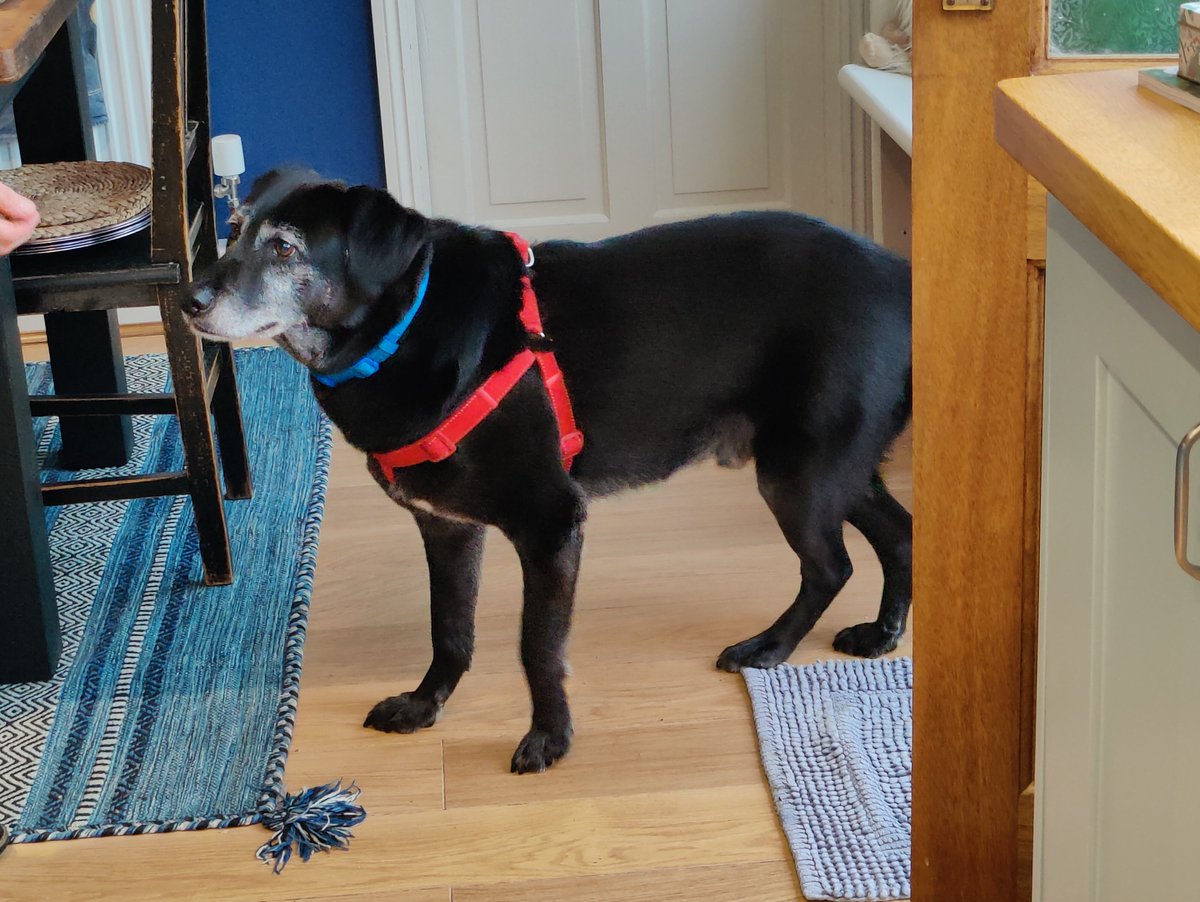
Meanwhile, Luka is doing so well. He's such a good boy. He's still a bit wary of me, as a man, but he's getting more confident already.
Things had been improving, slowly, with my rheumatoid arthritis treatment. Then, last night, it arbitrarily decided to flare. Neck inflammation pushes on the spine causing horrific pain. I spent most of the night throwing up with it. Awful.
Joseph Brooker: Introducing Brian, Flann and Myles (1 April 2023) – Radio Myles
https://radiomyles.com/joseph-brooker-introducing-brian-flann-and-myles/
UK schools and hospitals are literally falling to pieces. But at least they'll all have a picture of the king.
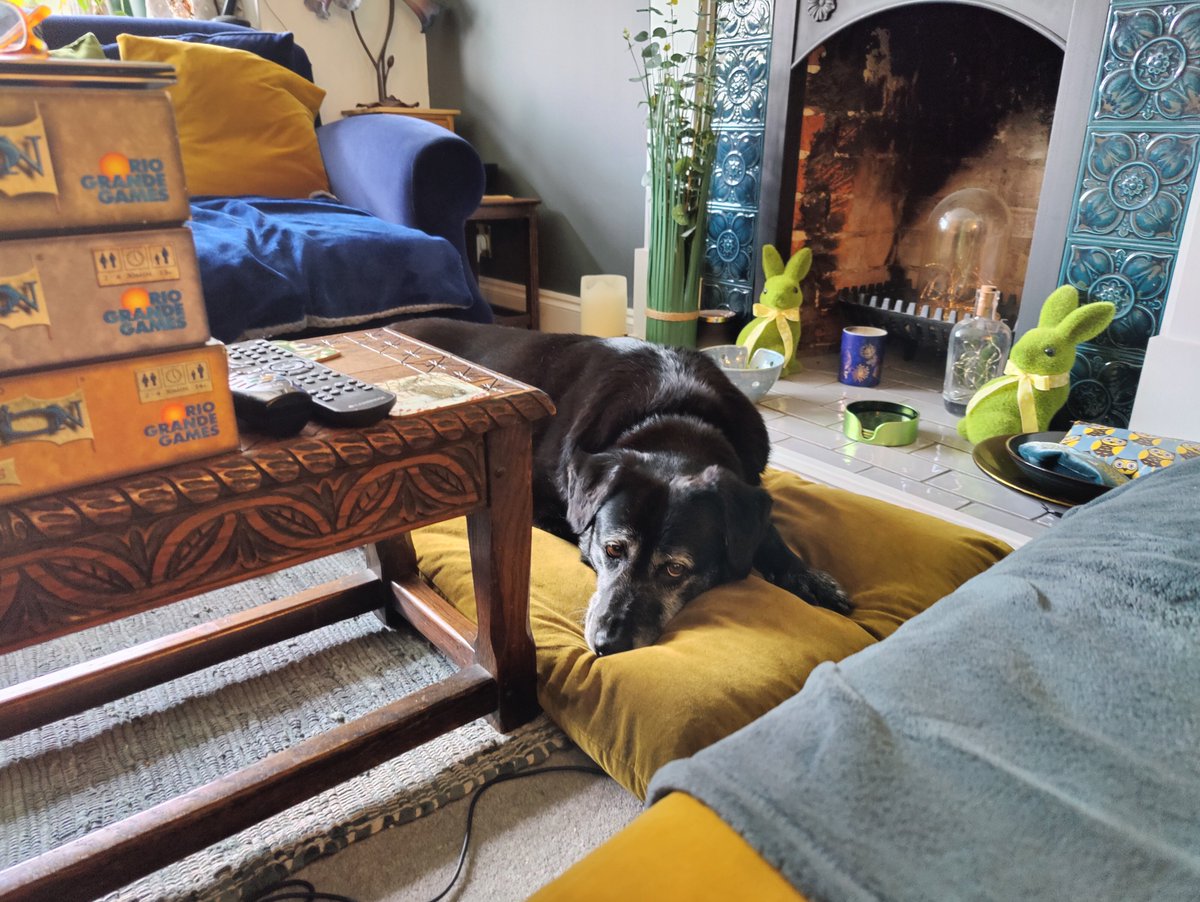
And Luka is home with us! He's an eight-year-old rescue dog from Bosnia who has lived his whole life in shelters due to bad adoption luck. He's a lovely, gentle, slightly nervous chap. We love him so much already!
Renewed Persistence - Crossref
https://www.crossref.org/blog/renewed-persistence/

Ready!